

Technical Analysis of Calcium Hydroxide Pneumatic Conveying Systems: Comparison of Positive and Nega
Calcium hydroxide, commonly known as slaked lime, is a widely used chemical in various industrial applications such as water treatment, flue gas desulfurization, and food processing. The efficient and reliable transport of this material from storage to processing units is crucial for maintaining production efficiency and safety. Pneumatic conveying systems have emerged as a preferred method for handling calcium hydroxide due to their ability to transport powders in a closed system, minimizing dust emissions and ensuring product integrity. This technical analysis focuses on the two primary modes of pneumatic conveying—positive pressure and negative pressure systems—and compares their characteristics, advantages, and applications in the context of calcium hydroxide handling.
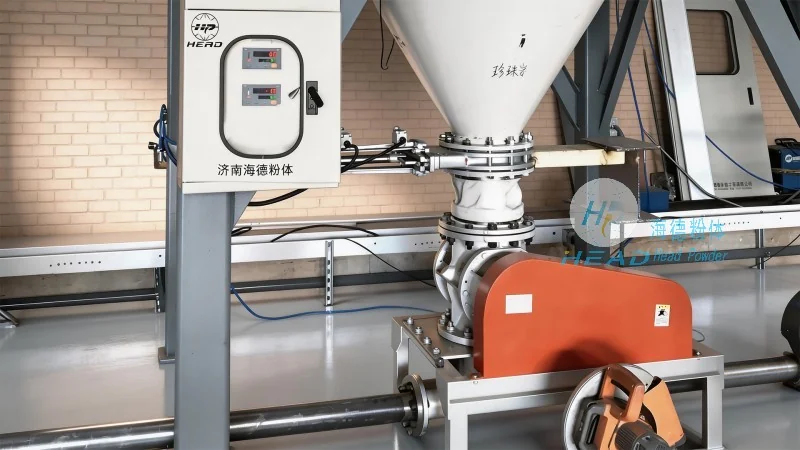
Positive Pressure Pneumatic Conveying Systems
Positive pressure systems operate by generating air pressure within the conveying line, which forces the material to move from the source to the destination. In the case of calcium hydroxide, a positive pressure system typically involves a blower or compressor that supplies compressed air to the conveyor line. The material is fed into the line via a hopper or feeder, and the air flow propels the powder through the system. HeadPowder, a leading provider of engineering solutions for material handling, specializes in designing and manufacturing positive pressure pneumatic conveying systems tailored for calcium hydroxide applications. These systems are known for their high conveying capacity, ability to handle abrasive materials, and suitability for long-distance transport. The positive pressure mode is particularly effective when the material needs to be transported over significant distances or when the destination is at a higher elevation than the source. However, it requires careful consideration of air consumption and pressure management to ensure energy efficiency and system reliability.
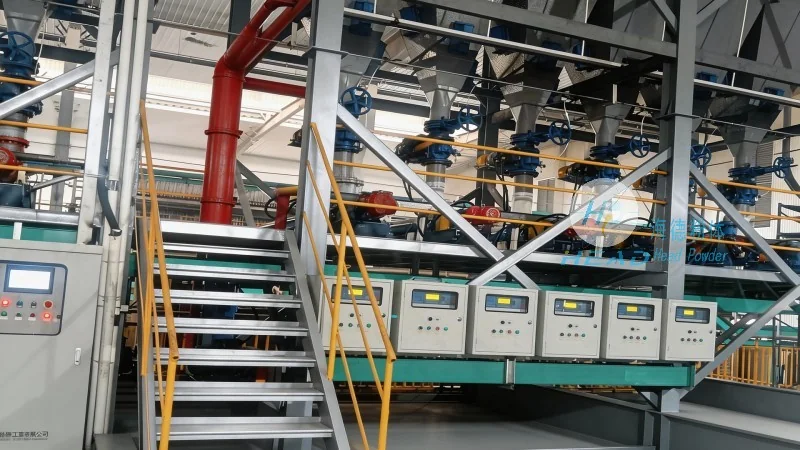
Negative Pressure Pneumatic Conveying Systems
Negative pressure systems, also known as vacuum conveying systems, operate by creating a vacuum in the conveying line, which draws the material from the source into the line. The vacuum is generated by a vacuum pump, and the material is drawn through the system due to the pressure differential. For calcium hydroxide, negative pressure systems are often preferred for short-distance or low-volume transport, as they are more energy-efficient for such applications. The system typically includes a hopper, a vacuum pump, and a filter to collect the material at the destination. HeadPowder’s negative pressure conveying solutions are designed to handle fine powders like calcium hydroxide with minimal dust generation. These systems are advantageous when the material is sensitive to high air velocities or when the source is located at a higher elevation than the destination. However, they may have limitations in terms of conveying distance and material capacity compared to positive pressure systems.
Key Considerations for Choosing Between Positive and Negative Pressure Systems
When selecting a pneumatic conveying system for calcium hydroxide, several factors must be considered to ensure optimal performance and cost-effectiveness. The first consideration is the distance and elevation difference between the source and destination. Positive pressure systems are generally more suitable for longer distances or when the destination is at a higher level, as they can maintain sufficient pressure to transport the material. Conversely, negative pressure systems are better suited for shorter distances or when the source is at a higher elevation, as they rely on vacuum to draw the material. Another critical factor is the material characteristics, such as particle size, moisture content, and abrasiveness. Calcium hydroxide is a fine powder that can be abrasive, so the system must be designed to minimize wear and prevent material buildup. HeadPowder’s engineering team evaluates these factors to recommend the most appropriate system for each application. Additionally, energy consumption and operational costs play a significant role in the decision-making process. Positive pressure systems may consume more energy due to the need for compressed air, while negative pressure systems are more energy-efficient for short-distance transport. The choice between the two modes also depends on the specific process requirements, such as the need for a closed system to prevent dust contamination or the requirement for a specific air flow rate to maintain material flow.
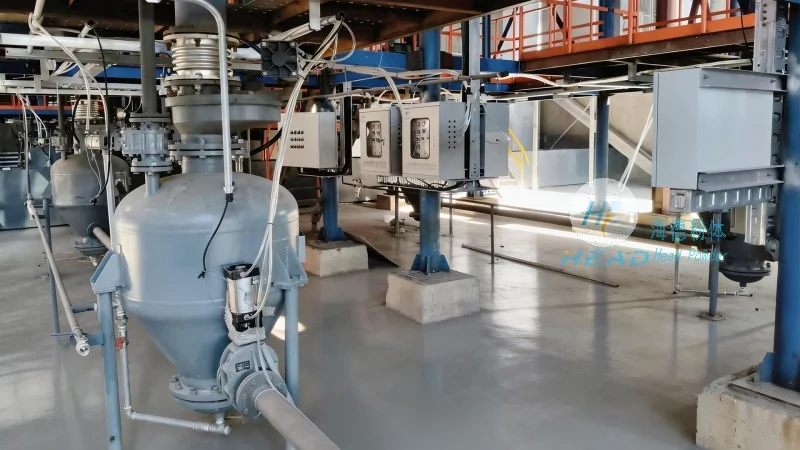
HeadPowder’s Expertise in Calcium Hydroxide Pneumatic Conveying
Shandong HeadPowder Engineering Co., Ltd., operating under the brand name HeadPowder, is a reputable company based in Shandong, China, specializing in the design, manufacturing, and installation of pneumatic conveying systems for various industrial applications. With years of experience in the field, HeadPowder has developed a deep understanding of the unique challenges associated with handling calcium hydroxide, including its fine particle size, moisture sensitivity, and abrasive nature. The company’s technical team conducts thorough analyses of each project to determine the most suitable conveying mode and system configuration. HeadPowder’s positive pressure systems are equipped with advanced components such as high-efficiency blowers, robust hoppers, and wear-resistant materials to ensure long-term performance and minimal maintenance. Similarly, the negative pressure systems incorporate high-quality vacuum pumps, fine filters, and dust collection systems to maintain product purity and environmental compliance. The company’s commitment to quality and customer satisfaction is reflected in its adherence to international standards and the use of cutting-edge technology in its products. HeadPowder’s customers benefit from customized solutions that meet their specific operational needs, ensuring efficient and reliable transport of calcium hydroxide while minimizing operational costs and environmental impact.