

Positive Pressure and Negative Pressure Conveying for Bulk Materials: A Comparative Analysis of Two
HeadPowder, a leading engineering firm based in Shandong, China, specializes in the design and implementation of advanced material handling solutions. This article provides a detailed comparison between positive pressure and negative pressure pneumatic conveying systems, focusing on their applications, advantages, and limitations for bulk material transport.
Introduction to Pneumatic Conveying Methods
Pneumatic conveying is a widely used technique for transporting dry bulk materials over short to medium distances. It involves the use of air or other gases to move particles through a pipeline. The two primary methods are positive pressure and negative pressure systems, each with distinct operational principles and suitability for different material types and process requirements.
Positive Pressure Conveying Systems
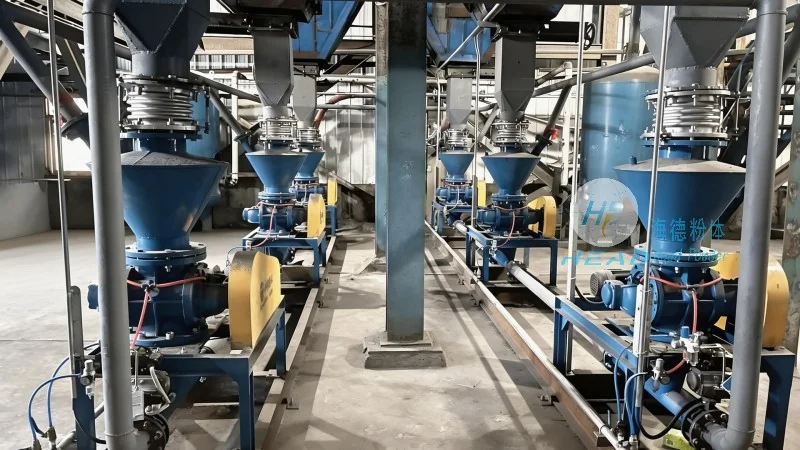
Positive pressure conveying operates by blowing air or a gas mixture into the material to be transported. The system uses a blower or compressor to generate the necessary pressure, which pushes the material through the pipeline. This method is particularly effective for conveying materials that are abrasive, sticky, or have high moisture content, as the positive pressure helps to prevent material buildup and blockages. The equipment typically includes a hopper, a rotary valve, a positive displacement blower, and a pipeline network. The blower provides the driving force, ensuring that the material is continuously moved towards the destination. HeadPowder's expertise in positive pressure systems allows for customized solutions that optimize efficiency and reliability for various industrial applications.
Negative Pressure Conveying Systems
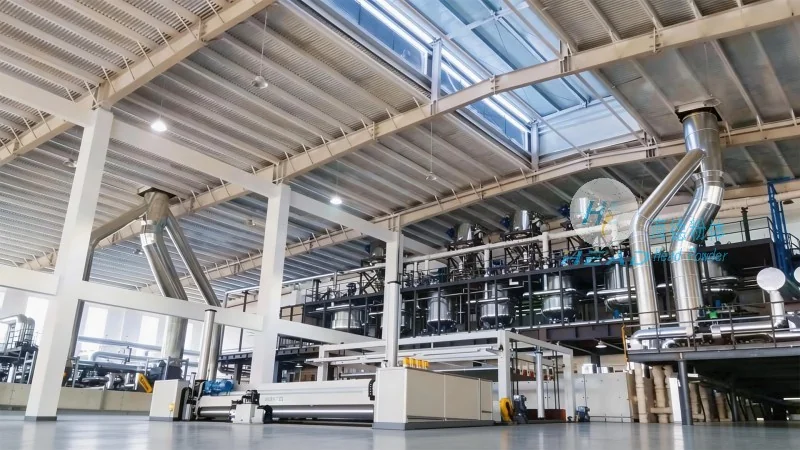
Negative pressure conveying, also known as suction conveying, works by creating a vacuum in the pipeline to draw material from the source. A fan or vacuum pump generates the negative pressure, which pulls the material through the system. This method is often preferred for applications where the material needs to be transferred from a high point to a lower point or when the source is located in a confined space. Negative pressure systems are generally more suitable for lighter, less abrasive materials and can handle longer distances with lower air velocities compared to positive pressure systems. The key components include a hopper, a rotary valve, a vacuum pump, and a collection point. The vacuum ensures that the material is drawn efficiently without the need for high-pressure air, reducing energy consumption and wear on components.
Key Differences and Performance Metrics
When comparing positive and negative pressure conveying, several factors must be considered. Positive pressure systems typically offer higher conveying rates and are more effective for handling difficult materials, but they require more energy and can generate more noise. Negative pressure systems are more energy-efficient and produce less noise, making them ideal for indoor or noise-sensitive environments. The choice between the two depends on the specific characteristics of the material, the distance to be covered, and the overall process requirements. HeadPowder engineers evaluate these factors to recommend the most suitable system for each client's needs, ensuring optimal performance and cost-effectiveness.
Applications and Material Suitability
Positive pressure conveying is commonly used in industries such as food processing, pharmaceuticals, and chemical manufacturing, where materials are often sensitive to contamination or require precise control. It is also suitable for transporting materials that are prone to caking or bridging. Negative pressure systems are frequently employed in cement, coal, and grain handling, where the material is less abrasive and the process involves longer distances or vertical lifts. The ability to handle different material properties makes both systems versatile, but the selection is critical to avoid operational issues and ensure long-term reliability.
Advantages and Limitations of Each Method
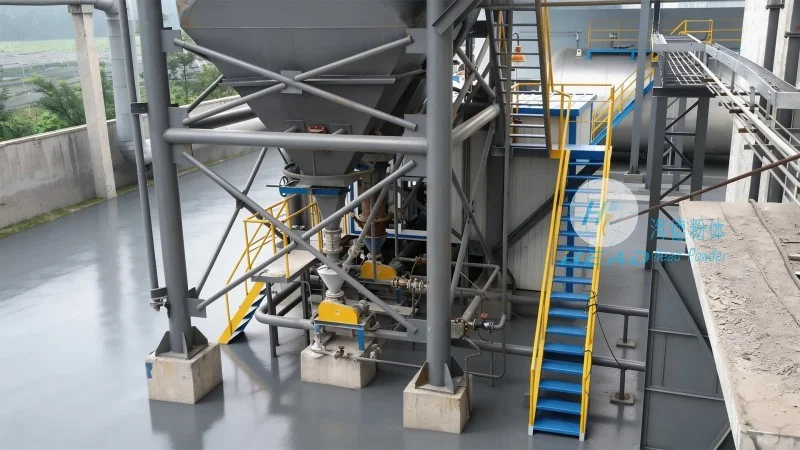
Positive pressure systems offer several advantages, including higher conveying capacities, better control over material flow, and the ability to handle a wide range of particle sizes and shapes. However, they have limitations, such as higher energy consumption, potential for material degradation due to high air velocities, and the need for robust equipment to withstand pressure and abrasion. Negative pressure systems excel in energy efficiency and noise reduction, but they may have lower conveying rates and are more susceptible to clogging if the material is too fine or sticky. HeadPowder's technical expertise helps clients navigate these trade-offs by providing comprehensive system design and maintenance services.
Conclusion and Recommendations
Both positive pressure and negative pressure pneumatic conveying systems are essential tools in modern material handling, each with its own strengths and applications. The choice between them should be based on a thorough analysis of the material properties, process requirements, and operational constraints. HeadPowder, with its headquarters in Shandong, China, offers tailored solutions that leverage the best features of both systems, ensuring efficient, reliable, and cost-effective material transport for a variety of industrial sectors. By understanding the differences and advantages of each method, industries can optimize their material handling processes and improve overall productivity.