

Carbon Black Positive Pressure and Negative Pressure Conveying: A Comparative Analysis of Two Pneuma
Carbon black, a critical raw material in various industrial applications such as rubber, plastics, and pigments, requires efficient and reliable material handling systems to ensure consistent quality and operational efficiency. Pneumatic conveying is a widely adopted method for transporting carbon black due to its ability to handle fine powders with minimal dust generation and contamination. This article provides a detailed comparison between positive pressure and negative pressure pneumatic conveying systems, focusing on their applications, advantages, and limitations in the carbon black processing sector.
Understanding Positive Pressure Conveying
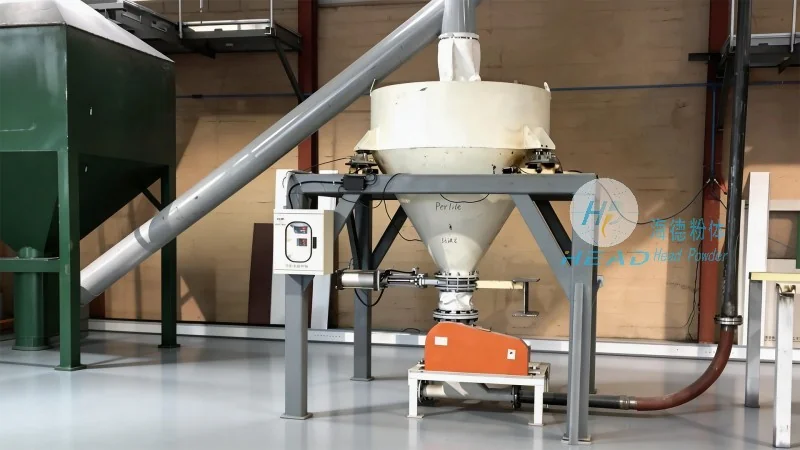
Positive pressure conveying, also known as pressure conveying, operates by blowing air or a carrier gas into the conveying line, creating a pressure higher than the ambient air pressure. This method is particularly suitable for transporting carbon black over longer distances and through complex piping systems. The system typically includes a positive displacement blower or a rotary lobe blower that generates the necessary pressure to move the material. One of the key advantages of positive pressure systems is their ability to handle high volumes of material efficiently, making them ideal for large-scale carbon black production facilities. Additionally, positive pressure conveying can maintain a consistent flow rate, which is crucial for maintaining product quality and preventing clogging in the pipeline.
However, positive pressure systems also have some drawbacks. The high pressure required can lead to increased energy consumption, and the system may be more complex to install and maintain. Furthermore, the pressure differentials can cause wear and tear on the equipment, especially the blower and pipeline components. Another consideration is the potential for material degradation due to the high velocity of the air-stream, which may affect the physical properties of the carbon black, such as its surface area and dispersion characteristics.
Exploring Negative Pressure Conveying
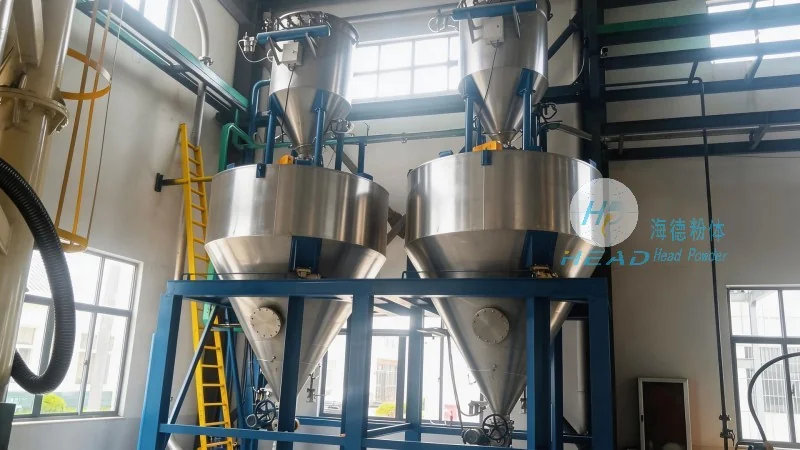
Negative pressure conveying, or vacuum conveying, works by creating a vacuum in the conveying line, which draws the carbon black material from the source into the system. This method is commonly used for shorter distances and for handling materials that are more sensitive to high velocities or pressure differentials. The system typically consists of a vacuum pump that generates the negative pressure, a hopper or feed hopper where the carbon black is stored, and a collection hopper at the destination. Negative pressure systems are generally more energy-efficient compared to positive pressure systems, as they require less power to operate. They are also less likely to cause material degradation due to the lower air velocity, making them suitable for high-value carbon black products that require precise handling.
Despite these advantages, negative pressure conveying has its limitations. The vacuum system may not be as effective for long-distance transport, as the pressure drop over the pipeline can reduce the conveying capacity. Additionally, the system can be more susceptible to blockages, especially if the carbon black contains moisture or other contaminants that can cause agglomeration. The vacuum pump also requires regular maintenance to ensure optimal performance, and the overall system may be more complex to design for large-scale applications.
Comparative Analysis: Positive vs. Negative Pressure Conveying
When comparing positive and negative pressure pneumatic conveying systems for carbon black, several factors need to be considered, including the distance of transport, the volume of material, the sensitivity of the product, and the available infrastructure. Positive pressure systems are generally more suitable for long-distance and high-volume applications, where the benefits of consistent flow and high conveying capacity outweigh the higher energy costs and maintenance requirements. On the other hand, negative pressure systems are preferred for shorter distances, high-value products, and applications where energy efficiency and minimal material degradation are critical.
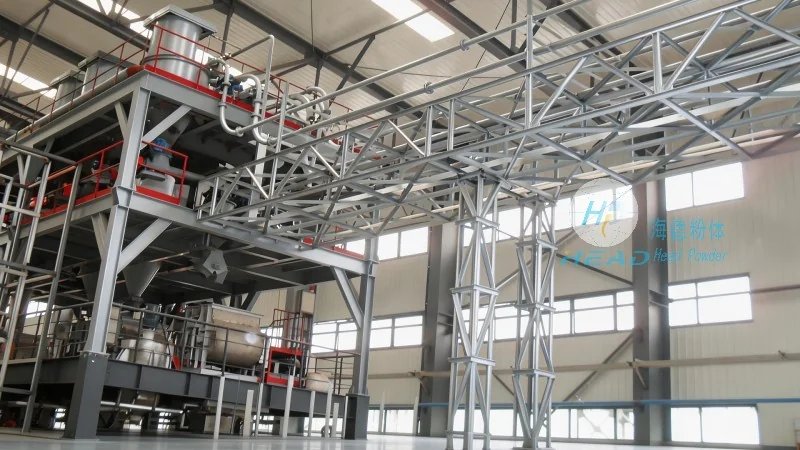
Another important consideration is the impact on the carbon black's physical properties. Positive pressure systems may cause some degree of attrition or agglomeration due to the high air velocity, which can affect the final product's performance. Negative pressure systems, with their lower velocities, tend to preserve the carbon black's original characteristics better, making them ideal for applications where the surface area and dispersion of the material are crucial, such as in rubber compounding.
Application Examples in Carbon Black Processing
Both positive and negative pressure conveying systems are widely used in carbon black processing plants. For example, a large-scale carbon black production facility in China may use a positive pressure system to transport carbon black from the drying and grinding stages to the storage silos, covering a distance of several kilometers. The system's high capacity and ability to handle complex piping networks make it suitable for this application. In contrast, a smaller facility processing high-value carbon black for specialty applications may use a negative pressure system to transport the material from the feed hopper to the mixing equipment, over a shorter distance. The lower energy consumption and minimal material degradation of the negative pressure system are key factors in this choice.
Additionally, the choice of system may be influenced by the specific carbon black grade being processed. For example, a high-structure carbon black, which is more prone to agglomeration, may be better suited for a negative pressure system to prevent further degradation. Conversely, a low-structure carbon black, which is less sensitive to high velocities, may be transported efficiently using a positive pressure system.
Conclusion and Recommendations
Both positive pressure and negative pressure pneumatic conveying systems offer viable solutions for carbon black transport, each with its own set of advantages and limitations. The selection of the appropriate system depends on the specific requirements of the carbon black processing plant, including the distance of transport, material volume, product sensitivity, and operational costs. For large-scale, long-distance applications, positive pressure systems are generally more effective, while negative pressure systems are preferable for shorter distances and high-value products.
When considering the implementation of a pneumatic conveying system for carbon black, it is essential to evaluate the overall system design, including the blower or vacuum pump selection, pipeline layout, and material handling equipment. Proper system design and maintenance are crucial to ensure optimal performance, minimize energy consumption, and maintain the quality of the carbon black product. Companies such as Shandong HeadPowder Engineering Co., Ltd., based in China, specialize in providing customized pneumatic conveying solutions tailored to the specific needs of carbon black manufacturers, ensuring efficient and reliable material handling throughout the production process.