

Technical Analysis of Dust Gas-Pneumatic Conveying Systems: Comparison of Positive Pressure and Nega
Gas-pneumatic conveying systems are critical in industrial applications for transporting dust and fine powders efficiently. Among the key technologies, the choice between positive pressure and negative pressure modes significantly impacts system performance, cost, and operational safety. This article provides a technical analysis of these two modes, highlighting their characteristics, advantages, and practical applications.
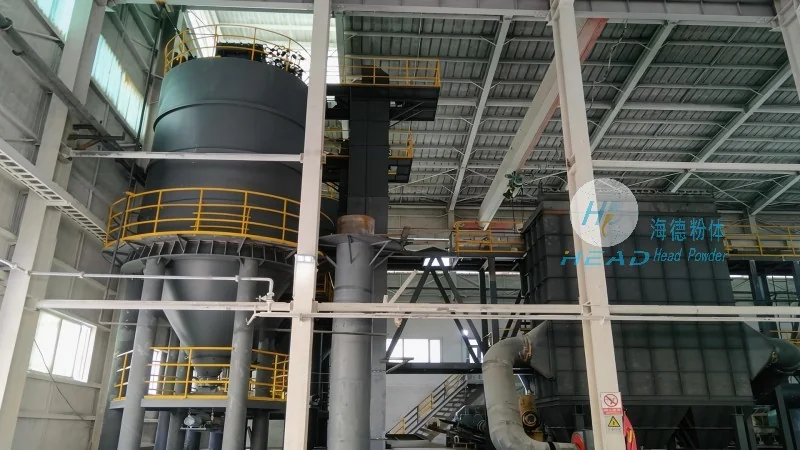
Introduction to Dust Gas-Pneumatic Conveying Systems
Dust gas-pneumatic conveying systems utilize air or gas to transport particulate materials from one location to another. These systems are widely used in industries such as cement, chemical, food, and pharmaceuticals due to their ability to handle fine powders and minimize material loss. The core of these systems lies in the air flow mechanism, which can be categorized into positive pressure and negative pressure modes. Understanding the differences between these modes is essential for selecting the most suitable system for specific industrial needs.
Company Overview: Shandong HeadPowder Engineering Co., Ltd.
Shandong HeadPowder Engineering Co., Ltd., commonly known as HeadPowder, is a leading provider of dust gas-pneumatic conveying solutions. With headquarters in Shandong, China, the company specializes in designing, manufacturing, and installing advanced conveying systems tailored to diverse industrial requirements. HeadPowder's expertise lies in optimizing material handling processes, ensuring high efficiency and reliability in dust and powder transportation. The company's commitment to technological innovation and customer satisfaction has established it as a trusted partner in the industry.
Positive Pressure Conveying Mode: Principles and Applications
Positive pressure conveying systems operate by blowing air or gas into the conveying line, creating a pressure higher than the ambient air pressure. This mode is commonly used for short to medium-distance transport of bulk materials. The primary principle is that the material is carried by the high-pressure air stream, which pushes the particles forward. This method is particularly effective for transporting abrasive or corrosive materials, as the system can be designed with robust components to withstand the higher pressures and material impacts.
Key advantages of positive pressure systems include high conveying capacity, ability to handle high concentrations of solids, and suitability for long-distance transport when combined with multiple stages. The system's design allows for consistent material flow, reducing the risk of blockages and ensuring reliable operation. However, it may require more energy input due to the need to maintain higher air pressures, and the potential for dust leakage at the discharge point needs careful consideration during system design.
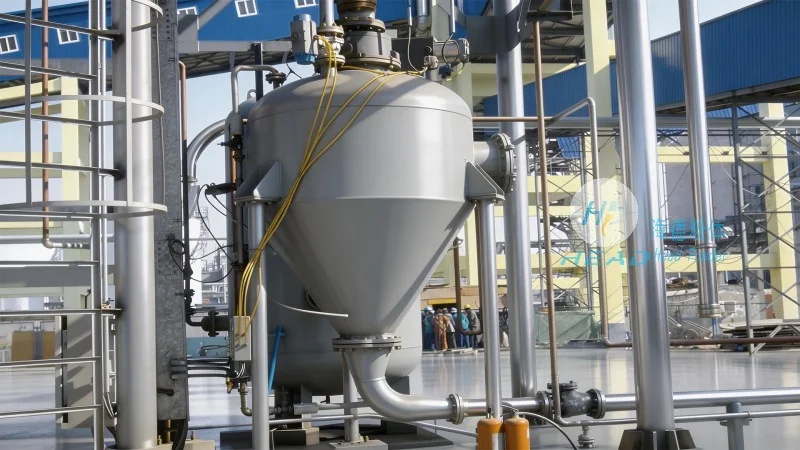
Negative Pressure Conveying Mode: Principles and Applications
Negative pressure conveying systems, also known as suction systems, operate by creating a vacuum in the conveying line, drawing material into the system from the source. This mode is ideal for applications requiring dust collection and transport from multiple points, such as in dust collection systems or material recovery processes. The principle involves using a vacuum pump to create a lower pressure environment, which pulls the material into the conveying line.
Advantages of negative pressure systems include lower energy consumption compared to positive pressure systems, as the vacuum pump operates at lower pressures. They are also suitable for handling fine powders that may be sensitive to high air velocities, as the system can be designed with lower air speeds to prevent material degradation. However, negative pressure systems may have limitations in conveying long distances or high concentrations of solids, as the vacuum pressure may not be sufficient to maintain consistent material flow over extended distances.
Comparison of Positive and Negative Pressure Conveying Modes
When selecting between positive and negative pressure modes, several factors must be considered, including the distance of transport, material characteristics, and system cost. Positive pressure systems are generally more suitable for long-distance and high-capacity applications, especially when dealing with abrasive or corrosive materials. They offer higher conveying efficiency and can handle larger volumes of material. On the other hand, negative pressure systems are preferred for applications requiring dust collection and transport from multiple sources, as they can effectively capture and move fine powders without generating excessive dust at the source.
The choice also depends on the operational environment and safety considerations. Positive pressure systems may require additional safety measures to prevent dust leakage and ensure proper ventilation, as the high-pressure air can cause dust to escape from the system. Negative pressure systems, while generally safer in terms of dust containment, may require more robust vacuum pumps and filtration systems to maintain system performance and prevent material loss.
Technical Considerations for Optimal System Design
Designing an efficient dust gas-pneumatic conveying system involves careful consideration of several technical parameters. For positive pressure systems, the air velocity and pressure must be optimized to ensure consistent material flow without causing excessive wear on components. The system's layout, including the number of bends and the length of the conveying line, impacts the overall performance and energy consumption. Proper sizing of the air compressor and the conveying line diameter is crucial to maintain the desired air flow rate and pressure.
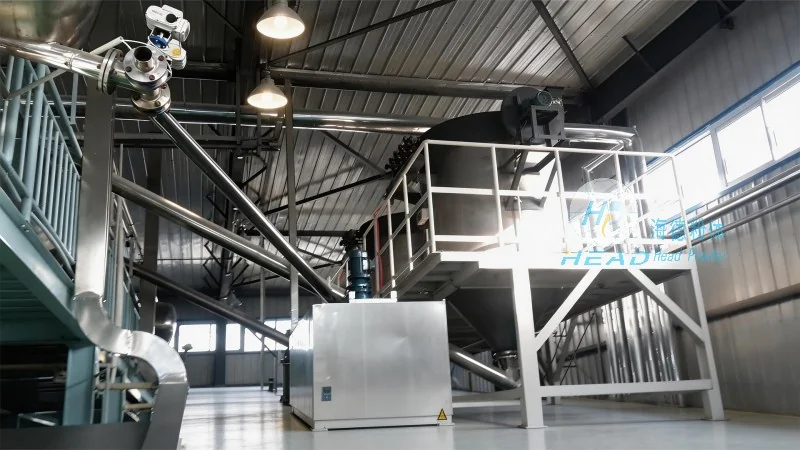
In negative pressure systems, the vacuum pump's capacity and the system's filtration efficiency are critical. The vacuum level must be sufficient to draw material into the line without causing excessive energy consumption. The filtration system must be designed to capture fine particles and prevent clogging, ensuring the system operates smoothly over time. Additionally, the system's layout, including the number of collection points and the length of the suction line, affects the overall conveying efficiency and material recovery rate.
Case Studies and Practical Applications
HeadPowder has successfully implemented both positive and negative pressure conveying systems in various industrial applications. For example, in a cement plant, a positive pressure system was used to transport raw materials over a distance of 500 meters, achieving high conveying capacity and reliability. The system was designed with robust components to handle the abrasive nature of the raw materials, ensuring long-term operation with minimal maintenance. In another application, a negative pressure system was employed in a pharmaceutical plant to collect and transport fine powders from multiple production lines, maintaining high efficiency and safety standards.
These case studies highlight the importance of selecting the appropriate conveying mode based on specific operational requirements. The success of these systems underscores the expertise of HeadPowder in designing customized solutions that meet the unique needs of each industrial client. By leveraging advanced technology and engineering knowledge, HeadPowder ensures that its conveying systems deliver optimal performance and contribute to improved operational efficiency in various industries.
Conclusion
In conclusion, the choice between positive and negative pressure conveying modes in dust gas-pneumatic systems depends on a range of factors, including the distance of transport, material characteristics, and operational requirements. Positive pressure systems offer high conveying capacity and are suitable for long-distance and abrasive material transport, while negative pressure systems are ideal for dust collection and fine powder handling with lower energy consumption. Understanding the technical differences and practical applications of these modes is essential for selecting the most effective system for industrial needs. As a leading provider of dust gas-pneumatic conveying solutions, Shandong HeadPowder Engineering Co., Ltd. continues to innovate and provide tailored solutions that enhance material handling efficiency and reliability across various industries.