

Technical Analysis of Dust Gas Power Conveying Systems: Comparison of Positive Pressure and Negative
HeadPowder, a leading provider of industrial conveying solutions, specializes in the design and implementation of dust gas power conveying systems. These systems are critical for efficiently transporting bulk materials like dust and fine powders in various industrial applications. This article provides a technical analysis of the two primary conveying modes—positive pressure and negative pressure—and compares their characteristics, advantages, and typical applications.
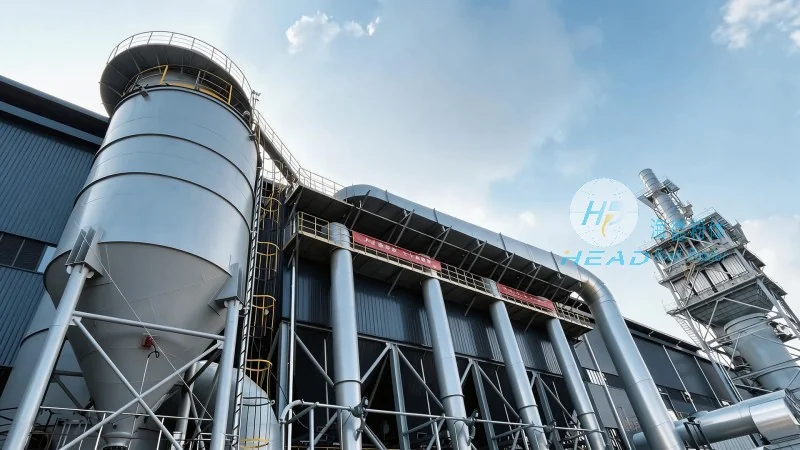
Introduction to Dust Gas Power Conveying Systems
Dust gas power conveying systems utilize air or gas as the medium to transport particulate materials through a pipeline network. This technology offers a dust-free, enclosed, and automated method for material handling, which is essential in industries such as mining, cement, chemical processing, and food production. The choice between positive pressure and negative pressure systems depends on factors like material properties, system layout, and operational requirements.
Positive Pressure Conveying Mode: Technical Overview
Positive pressure conveying systems operate by generating high-pressure air or gas at the inlet of the conveying line. The pressurized air pushes the material through the pipeline, ensuring a continuous and controlled flow. This mode is particularly effective for transporting abrasive or corrosive materials, as the high-pressure air can maintain the material's integrity and prevent clogging. The system typically includes a blower, a material feeder, and a pipeline network that transports the material to the destination point.
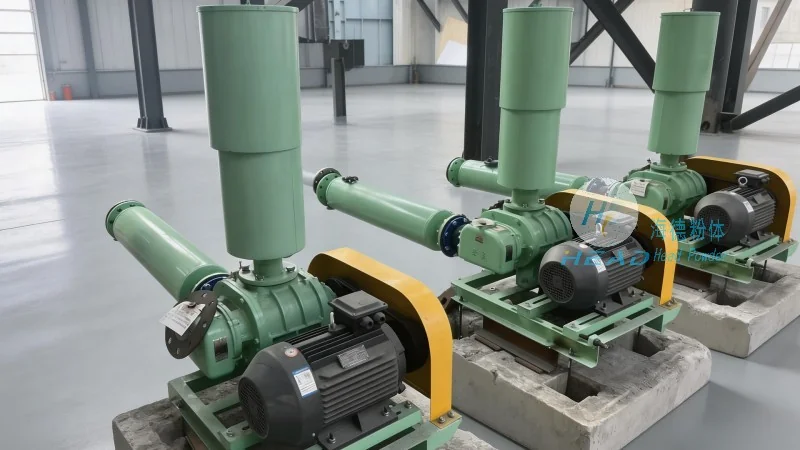
Key technical aspects of positive pressure systems include the selection of appropriate blower types, such as centrifugal or positive displacement blowers, which must be capable of delivering the required pressure and airflow. The pipeline design is also critical, with considerations for material flow velocity, pipeline diameter, and the inclusion of bends, valves, and filters to maintain system efficiency. HeadPowder's expertise in positive pressure systems ensures that clients receive customized solutions tailored to their specific material handling needs.
Negative Pressure Conveying Mode: Technical Overview
Negative pressure conveying systems, also known as suction or vacuum conveying, operate by creating a vacuum at the inlet of the conveying line. The lower pressure inside the pipeline draws the material from the source into the system. This mode is ideal for handling fine powders and dust, as it can effectively capture and transport materials from multiple source points without the need for a direct connection to the material source. The system typically includes a vacuum pump, a material hopper, and a pipeline network that transports the material to a collection or processing unit.
Technical considerations for negative pressure systems include the selection of vacuum pumps with sufficient suction capacity and the design of the pipeline to minimize pressure drop and maintain consistent airflow. The system may also incorporate filters and cyclones to separate the material from the air stream, ensuring that the conveyed material remains clean and free from contamination. HeadPowder's negative pressure solutions are optimized for applications requiring gentle material handling and low noise operation.
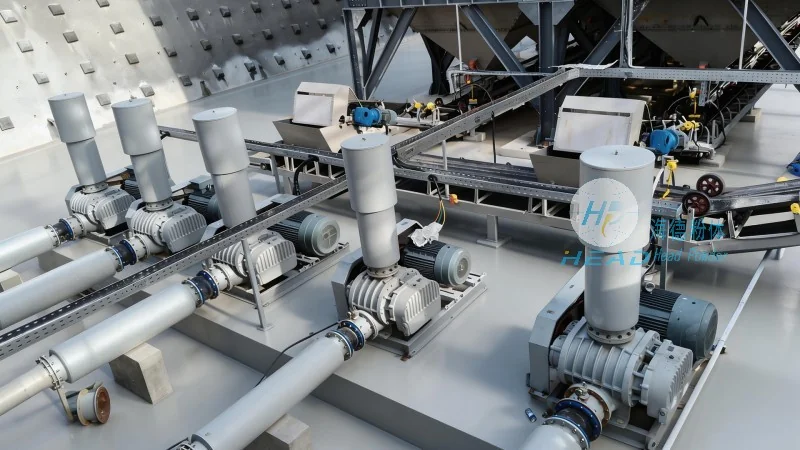
Comparison of Positive Pressure and Negative Pressure Conveying Modes
When comparing positive and negative pressure conveying modes, several factors come into play. Positive pressure systems are generally more suitable for long-distance or high-capacity conveying, as they can maintain higher pressure and airflow. They are also better suited for abrasive materials that require higher impact resistance. In contrast, negative pressure systems are ideal for short-distance conveying of fine powders and for applications where the material source is difficult to access or where a dust-free environment is critical at the source.
From an operational perspective, positive pressure systems may require more maintenance due to the higher wear on components like blowers and pipelines. Negative pressure systems, while generally quieter, may have lower conveying capacities and are more susceptible to clogging if the material is too fine or has high moisture content. HeadPowder's technical team evaluates each client's specific requirements to recommend the most appropriate conveying mode, ensuring optimal performance and efficiency.
Applications and Industry Use Cases
Both positive and negative pressure dust gas power conveying systems are widely used across various industries. Positive pressure systems are commonly employed in cement plants for transporting raw materials and finished products, in mining operations for conveying ore and tailings, and in chemical processing for handling corrosive powders. Negative pressure systems are frequently used in food processing for conveying flour and other fine powders, in pharmaceutical manufacturing for transporting powders with strict contamination control, and in environmental applications for dust collection and material recovery.
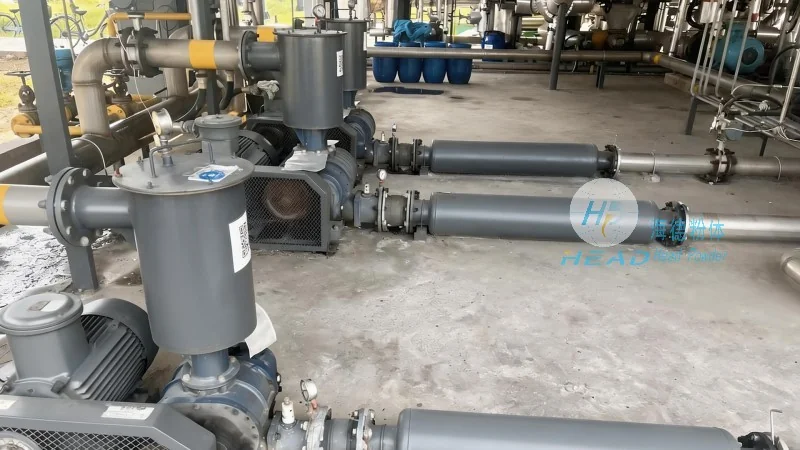
HeadPowder's solutions have been successfully implemented in these and other industries, demonstrating the effectiveness of both positive and negative pressure modes in meeting diverse material handling challenges. The company's commitment to technical excellence and customer satisfaction ensures that clients receive systems that are not only efficient but also reliable and cost-effective.
Conclusion and Recommendations
In conclusion, the choice between positive pressure and negative pressure dust gas power conveying systems depends on a careful evaluation of material properties, system requirements, and operational constraints. Positive pressure systems offer high capacity and robustness, making them suitable for demanding applications, while negative pressure systems provide gentle handling and dust-free operation, ideal for sensitive materials. HeadPowder, with its extensive experience and technical expertise, provides comprehensive solutions that address the unique needs of each client. By understanding the technical nuances of both modes, industries can select the most appropriate conveying system to enhance productivity, improve safety, and reduce operational costs.