

Technical Analysis of Corn Starch Pneumatic Conveying Systems: Comparison of Positive Pressure and N
This article provides a technical analysis of corn starch pneumatic conveying systems, focusing on the comparison between positive pressure and negative pressure conveying modes. As a leading provider in the field, Shandong HeadPowder Engineering Co., Ltd. specializes in designing and manufacturing efficient solutions tailored to the unique requirements of corn starch handling and processing. The following sections will delve into the fundamental principles, operational differences, and practical considerations of both positive and negative pressure systems, helping users make informed decisions for their material handling applications.
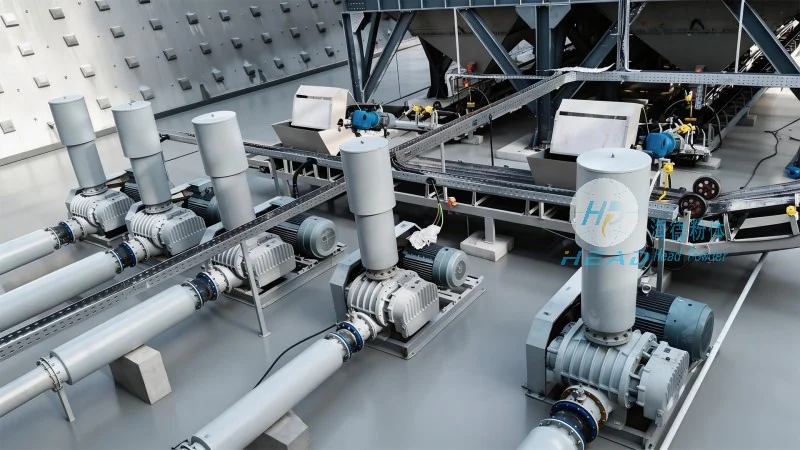
Company Overview: Shandong HeadPowder Engineering Co., Ltd.
HeadPowder, a division of Shandong HeadPowder Engineering Co., Ltd., is headquartered in Shandong, China. With years of experience in the engineering and manufacturing of pneumatic conveying equipment, the company has established itself as a trusted partner for industries dealing with fine powders, including corn starch. Our team of experts is dedicated to delivering high-quality, reliable systems that meet the stringent demands of modern production lines. The company's commitment to innovation and customer satisfaction ensures that every project is approached with precision and expertise.
Understanding Pneumatic Conveying Systems
Pneumatic conveying is a method of transporting bulk materials through a pipeline using air or gas as the conveying medium. This technology is widely used in the food, pharmaceutical, and chemical industries due to its ability to handle fine powders like corn starch without contamination or degradation. The two primary modes of pneumatic conveying are positive pressure and negative pressure systems, each with distinct characteristics and applications.
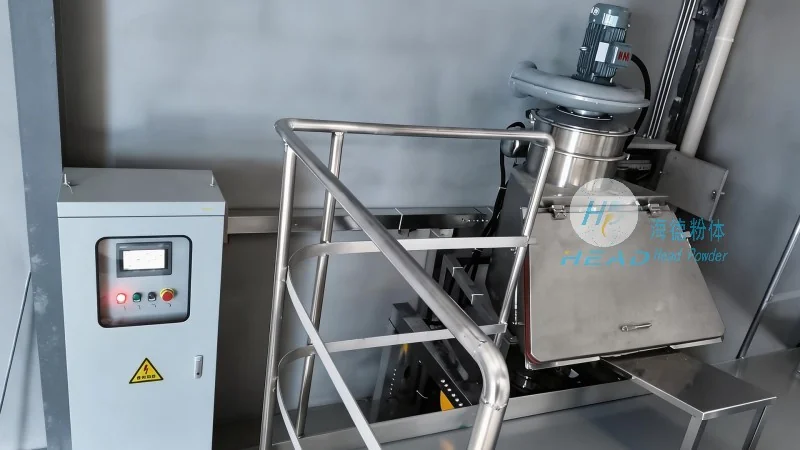
Positive Pressure Conveying Mode
Positive pressure systems operate by generating air pressure within the conveying line, pushing the material from the source to the destination. This mode is particularly suitable for applications where the material needs to be transported over long distances or through complex piping networks. The positive pressure system typically includes a blower or compressor at the inlet, which supplies compressed air to move the material. The design of the system involves a closed loop with a dust collector to ensure that no material is lost during the process. The key advantages of positive pressure conveyors include high conveying capacity, ability to handle abrasive materials, and suitability for long-distance transport. However, they require more energy input and may be more complex to install and maintain compared to negative pressure systems.
Negative Pressure Conveying Mode
Negative pressure systems, also known as vacuum systems, operate by creating a vacuum in the conveying line, drawing the material from the source into the system. This mode is ideal for applications where the material is to be transported from a single point to a central collection point, such as in a warehouse or processing plant. The negative pressure system utilizes a vacuum pump at the outlet to create the suction force required to move the material. The design includes a filter or cyclone to separate the material from the air stream, ensuring that the material is not contaminated. The main benefits of negative pressure conveyors include lower energy consumption, reduced noise levels, and suitability for short-distance transport. However, they may have lower conveying capacities compared to positive pressure systems and are more susceptible to clogging if the material is highly abrasive or contains large particles.
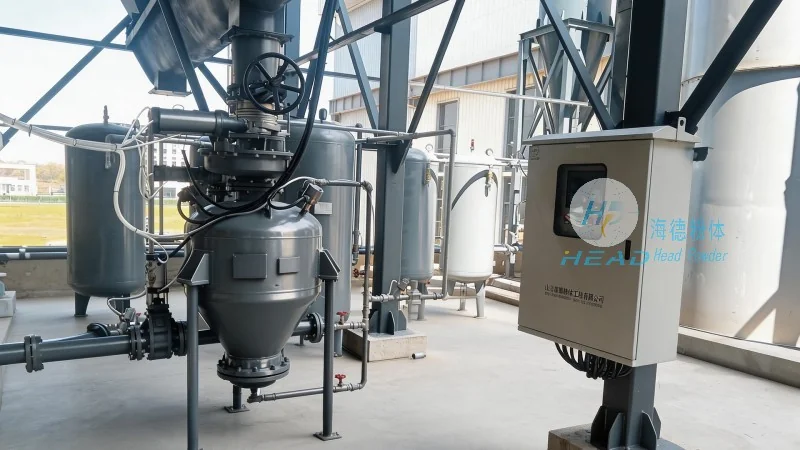
Technical Considerations and Performance Comparison
When selecting between positive and negative pressure pneumatic conveying systems for corn starch, several technical factors must be considered. The choice depends on the specific application requirements, such as the distance between the source and destination, the volume of material to be conveyed, and the characteristics of the corn starch (e.g., particle size, moisture content, and flowability). Positive pressure systems generally offer higher conveying rates and are more suitable for long-distance transport, while negative pressure systems are more energy-efficient and better suited for short-distance or localized transport.
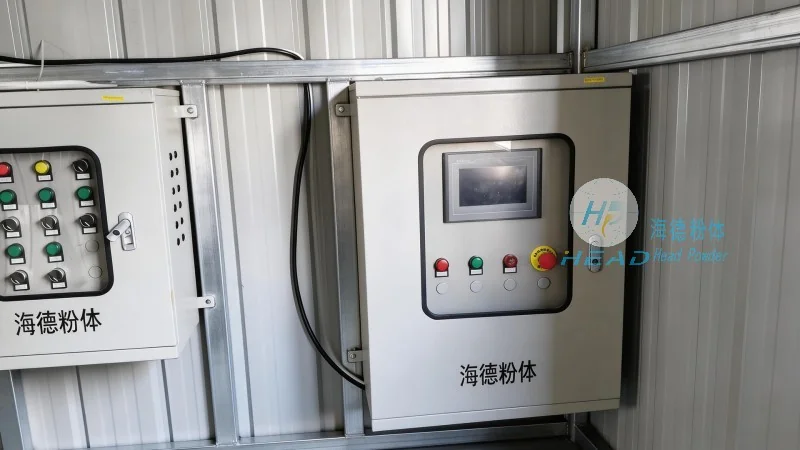
Application Examples and Practical Insights
Real-world applications of corn starch pneumatic conveying systems vary widely. For instance, in a corn starch processing plant, a positive pressure system might be used to transport the raw corn starch from storage silos to the milling and grinding units, covering a distance of several hundred meters. Conversely, a negative pressure system could be employed to collect fine powder from a production line and transport it to a central dust collection system, minimizing the risk of airborne contamination. The choice of system also impacts the overall cost of operation, with positive pressure systems typically having higher energy costs but potentially lower maintenance costs due to simpler components. Negative pressure systems, while more energy-efficient, may require more frequent filter changes and maintenance to prevent clogging.
Conclusion and Recommendations
In conclusion, both positive pressure and negative pressure pneumatic conveying modes offer viable solutions for corn starch handling, each with its own set of advantages and limitations. The selection of the appropriate system depends on the specific operational needs, including distance, material characteristics, and energy efficiency considerations. Shandong HeadPowder Engineering Co., Ltd. provides comprehensive technical support and customized solutions to help clients choose the most suitable pneumatic conveying system for their corn starch processing applications. By understanding the technical differences and performance characteristics of both modes, users can make informed decisions that optimize their material handling processes and ensure efficient, reliable operation.