

Technical Analysis of Carbon Black Powder Pneumatic Conveying Systems: A Comparison of Positive and
Carbon black powder, a critical raw material in various industrial applications such as rubber, plastics, and inks, requires efficient and reliable transportation methods to ensure consistent quality and process efficiency. Pneumatic conveying systems have emerged as a preferred solution for handling carbon black powder due to their ability to transport materials in a closed environment, minimizing dust exposure and contamination. This technical analysis delves into the two primary conveying modes—positive pressure and negative pressure—and compares their characteristics, advantages, and limitations to help industrial operators select the most suitable system for their carbon black powder handling needs.
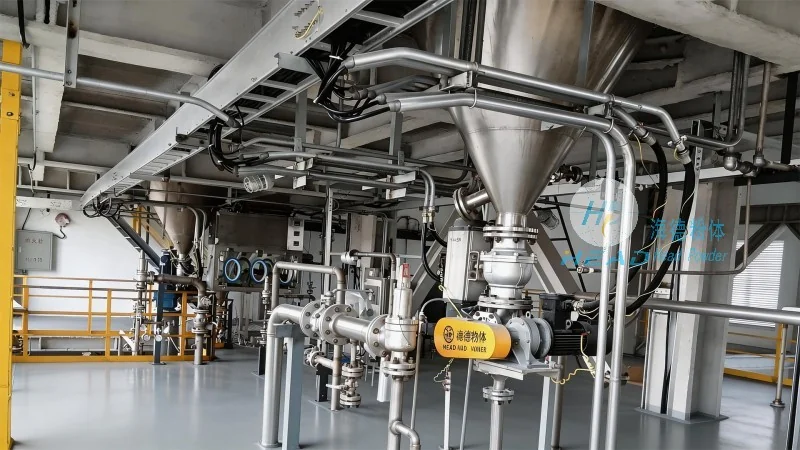
Introduction to Pneumatic Conveying Systems for Carbon Black Powder
Pneumatic conveying systems utilize air or gas to transport bulk materials like carbon black powder through a pipeline network. These systems are categorized into two main types based on the pressure differential within the system: positive pressure (pressure-assisted) and negative pressure (vacuum-assisted). Understanding the fundamental principles of each mode is essential for selecting the optimal system that aligns with operational requirements, material properties, and environmental considerations.
About HeadPowder: Expert in Carbon Black Powder Handling Solutions
HeadPowder, a leading engineering company based in Shandong, China, specializes in the design, manufacturing, and installation of advanced pneumatic conveying systems tailored for carbon black powder applications. With a deep understanding of the unique challenges associated with handling carbon black powder, HeadPowder leverages cutting-edge technology and engineering expertise to deliver customized solutions that enhance material flow, reduce downtime, and improve overall operational efficiency. The company’s commitment to quality and innovation has established it as a trusted partner for industries relying on consistent and reliable carbon black powder supply chains.
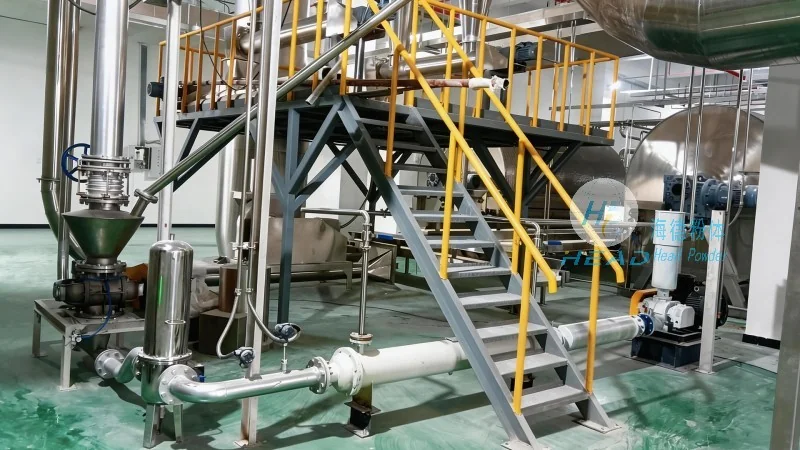
Positive Pressure Conveying Mode: Advantages and Applications
Positive pressure conveying systems operate by pressurizing the conveying line with air or gas, typically using a positive displacement blower or a rotary lobe pump. The pressurized air pushes the carbon black powder through the pipeline, ensuring a continuous and controlled flow. This mode is particularly effective for long-distance or high-rise applications where maintaining a consistent pressure gradient is crucial. Key advantages of positive pressure systems include:
- Ability to handle long conveying distances and vertical lifts without significant pressure loss.
- Reduced risk of material degradation due to lower air velocities compared to negative pressure systems.
- Lower maintenance requirements as the system operates under positive pressure, minimizing the risk of external air ingress.
However, positive pressure systems may face challenges when dealing with fine or highly abrasive carbon black powders, as the high-pressure air can cause increased wear on components and potential material segregation. Additionally, the system requires robust sealing and explosion-proof designs to ensure safety in industrial environments.
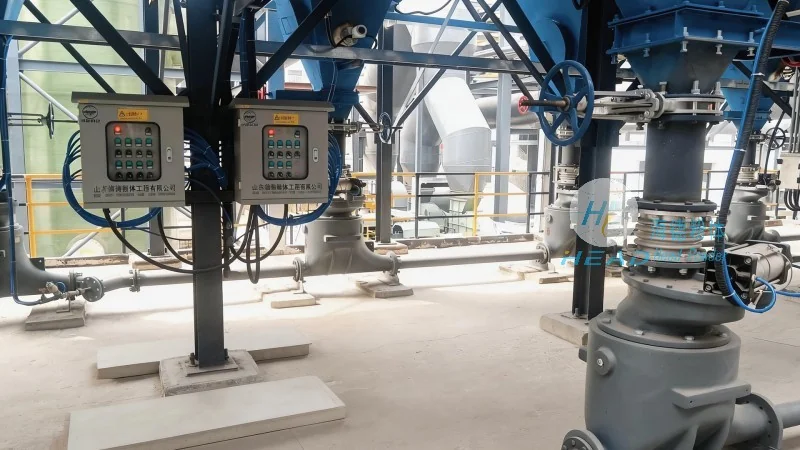
Negative Pressure Conveying Mode: Advantages and Applications
Negative pressure conveying systems, also known as vacuum-assisted systems, operate by creating a vacuum in the conveying line using a vacuum pump. The vacuum draws the carbon black powder into the pipeline, where it is transported to the destination. This mode is ideal for short to medium-distance applications and is commonly used in environments where dust containment is critical, such as in food or pharmaceutical industries. Key advantages of negative pressure systems include:
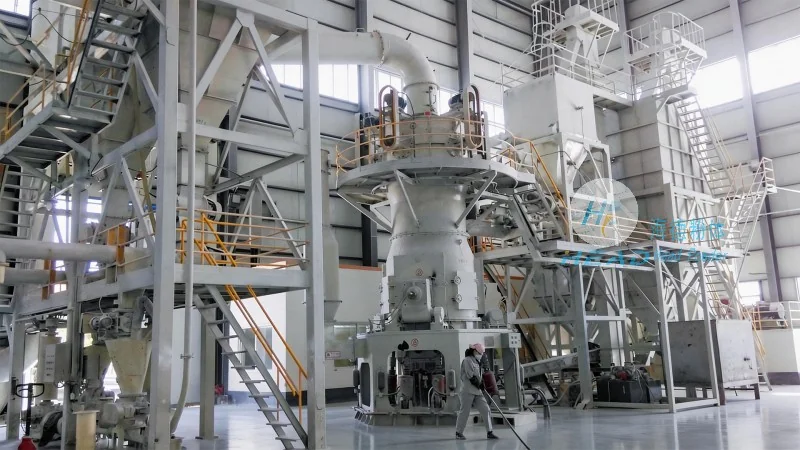
- Effective dust suppression as the system draws material into the pipeline, reducing airborne particles.
- Lower initial investment costs compared to positive pressure systems, as they often require less powerful and expensive equipment.
- Flexibility in material handling, as the system can accommodate a wide range of particle sizes and moisture content.
Nevertheless, negative pressure systems have limitations, particularly in long-distance or high-rise applications, where maintaining sufficient vacuum pressure becomes challenging. The high air velocities required to maintain the vacuum can lead to increased wear on components and potential material degradation. Moreover, the system is more susceptible to external air contamination, which may affect the quality of the carbon black powder.
Comparison of Positive and Negative Pressure Conveying Modes
When selecting between positive and negative pressure conveying systems for carbon black powder, several factors must be considered. The choice depends on the specific application requirements, including the distance and height of the conveying line, the material properties of the carbon black powder, and the environmental regulations in the operating environment. A comparative analysis of the two modes reveals the following key differences: