

Technical Analysis of Molybdenum Concentrate Pneumatic Conveying Systems: Comparison of Positive Pre
For the efficient and reliable transportation of molybdenum concentrate, pneumatic conveying systems have emerged as a critical solution in the mining and processing industries. This technical analysis delves into the core technologies of positive pressure and negative pressure conveying modes, offering a comprehensive comparison to help industry professionals select the most suitable system for their operations. The discussion is anchored by insights from Shandong HeadPowder Engineering Co., Ltd., a leading provider in the field, with a focus on practical applications and performance characteristics.
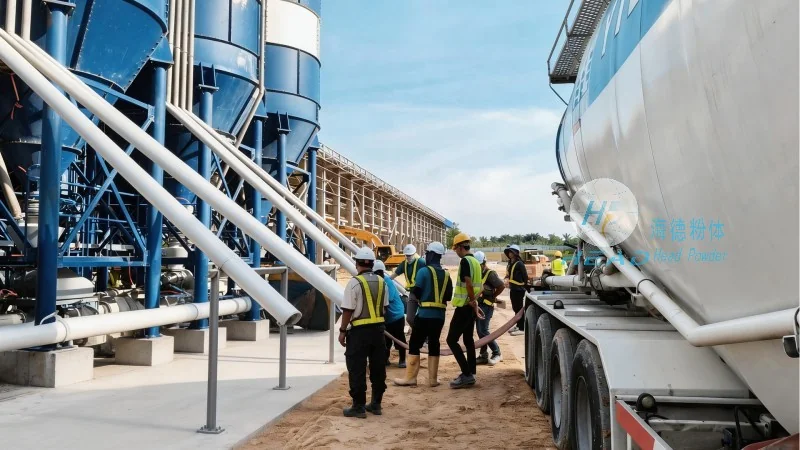
Overview of Pneumatic Conveying Technology for Molybdenum Concentrate
Pneumatic conveying systems utilize air or gas to transport bulk materials like molybdenum concentrate through a pipeline network. This method offers advantages such as reduced dust generation, improved safety, and the ability to transport materials over long distances without the need for mechanical components. The choice between positive pressure and negative pressure systems depends on factors including material properties, system layout, and operational requirements. Both modes have distinct advantages and limitations that must be carefully evaluated to ensure optimal performance and cost-effectiveness.
Positive Pressure Conveying Mode: Advantages and Applications
Positive pressure conveying systems operate by blowing air or gas into the pipeline, creating a pressure higher than the ambient environment. This mode is particularly effective for transporting molybdenum concentrate with high moisture content or abrasive particles, as the pressurized air helps maintain material flow and prevents blockages. The system typically includes a blower, a hopper for material storage, and a pipeline network that transports the concentrate to the destination. A key advantage of positive pressure systems is their ability to handle a wide range of particle sizes and densities, making them suitable for diverse processing applications. Additionally, these systems are generally more robust and easier to maintain, as they do not require complex vacuum components. However, they may have higher energy consumption due to the continuous operation of the blower, and the pressurized air can sometimes lead to increased dust emissions if not properly contained.
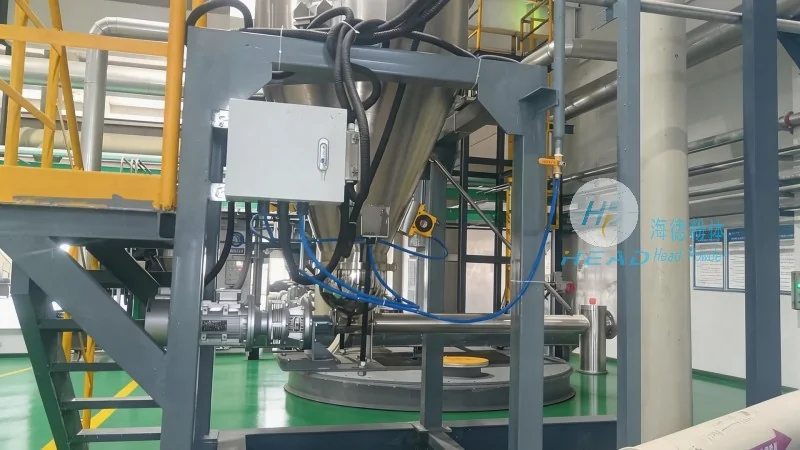
Negative Pressure Conveying Mode: Characteristics and Use Cases
Negative pressure conveying systems, also known as vacuum systems, operate by creating a vacuum in the pipeline, drawing material from the source into the system. This mode is ideal for applications where the material needs to be transported from a lower elevation or where the source is located in a confined space. The system consists of a vacuum pump, a hopper, and a pipeline that pulls the material into the conveying line. Negative pressure systems are often preferred for their lower energy consumption compared to positive pressure systems, as the vacuum pump operates at a lower power level. They also tend to generate less noise and can be more compact, making them suitable for indoor or space-constrained installations. However, these systems may struggle with high-density or abrasive materials, as the vacuum can sometimes lead to material degradation or blockages if the flow rate is not properly controlled. The design of the pipeline and the placement of the vacuum pump are critical to ensure efficient material transport and to minimize the risk of clogging.
Key Considerations for Selecting the Right Conveying Mode
When selecting between positive and negative pressure conveying modes for molybdenum concentrate, several factors must be considered. The first is the material characteristics, including particle size, density, moisture content, and abrasiveness. Materials with high moisture or fine particles may benefit from positive pressure systems, which can maintain flow and prevent agglomeration. Conversely, materials that are less abrasive and require lower energy consumption may be better suited for negative pressure systems. The system layout and distance between the source and destination also play a crucial role. Long-distance transport may favor positive pressure systems due to their ability to maintain pressure over extended pipelines, while short-distance or indoor applications may benefit from negative pressure systems. Additionally, operational costs, including energy consumption and maintenance requirements, should be evaluated. Positive pressure systems typically have higher energy costs but lower maintenance, while negative pressure systems have lower energy costs but may require more frequent maintenance of vacuum components. The environmental impact, such as dust emissions and noise levels, is another critical factor. Positive pressure systems may generate more dust if not properly sealed, while negative pressure systems can be more enclosed and reduce external emissions. Finally, the availability of space and the need for flexibility in the system design should be considered. Positive pressure systems may require more space for the blower and storage, while negative pressure systems can be more compact and easier to integrate into existing facilities.
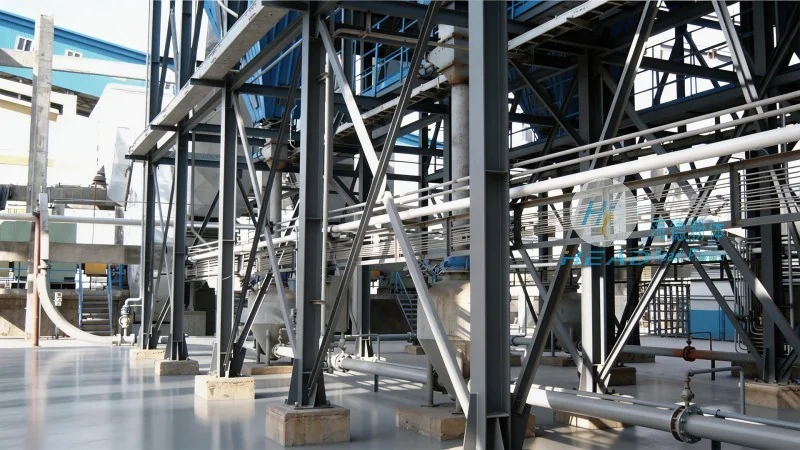
Case Study: Application of Positive Pressure System in Molybdenum Processing Plant
Shandong HeadPowder Engineering Co., Ltd. recently implemented a positive pressure pneumatic conveying system for a molybdenum processing plant in China. The plant processes molybdenum concentrate with high moisture content and fine particles, which required a system capable of maintaining consistent flow and preventing blockages. The positive pressure system, equipped with a high-efficiency blower and a well-designed hopper, successfully transported the concentrate from the crushing and grinding stage to the storage silo over a distance of 500 meters. The system demonstrated superior performance in handling the abrasive particles, with minimal wear on the pipeline and components. The plant reported a significant reduction in labor costs due to the automated material transport, and the positive pressure system contributed to improved safety by eliminating the need for manual handling of the concentrate. The case study highlights the effectiveness of positive pressure systems in challenging material conditions and underscores the importance of proper system design and maintenance for optimal performance.
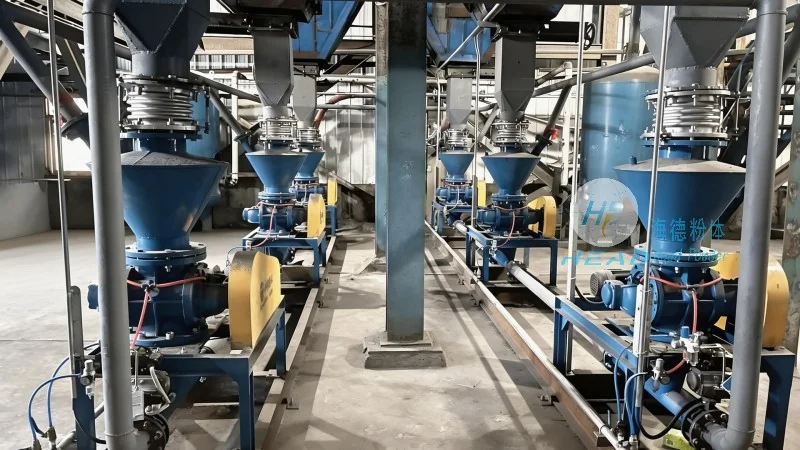
Case Study: Application of Negative Pressure System in Indoor Molybdenum Handling Facility
In another project, Shandong HeadPowder Engineering Co., Ltd. designed a negative pressure pneumatic conveying system for an indoor molybdenum handling facility. The facility required a compact and low-noise system to transport molybdenum concentrate from a storage silo to a processing unit within a confined space. The negative pressure system, utilizing a vacuum pump and a short pipeline network, efficiently conveyed the material over a distance of 200 meters. The system was particularly effective in reducing noise levels, as the vacuum pump operated at a lower speed compared to the blower in a positive pressure system. The plant reported improved working conditions due to the reduced noise and dust, and the negative pressure system was well-suited for the indoor environment. The case study demonstrates the advantages of negative pressure systems in space-constrained and noise-sensitive applications, while also highlighting the importance of proper pipeline design to prevent clogging and ensure consistent material flow.
Conclusion: Choosing the Right Pneumatic Conveying System for Molybdenum Concentrate
Both positive pressure and negative pressure pneumatic conveying systems offer viable solutions for transporting molybdenum concentrate, with each mode having distinct advantages and limitations. The selection of the appropriate system depends on a thorough evaluation of material properties, system layout, operational requirements, and cost considerations. Positive pressure systems are generally more robust and effective for handling high-moisture or abrasive materials, while negative pressure systems are better suited for low-energy, compact, and indoor applications. Shandong HeadPowder Engineering Co., Ltd. emphasizes the importance of customizing the system design to meet the specific needs of each project, ensuring optimal performance, efficiency, and safety. By carefully analyzing the factors discussed in this technical analysis, industry professionals can make informed decisions to select the most suitable pneumatic conveying system for their molybdenum concentrate transportation needs.