

Positive Pressure and Negative Pressure Conveying of Sintered Fly Ash: A Comparative Analysis
When it comes to the efficient and reliable transportation of sintered fly ash, the choice between positive pressure and negative pressure pneumatic conveying systems is a critical decision for industrial operations. Sintered fly ash, a byproduct of the sintering process in power plants and steel mills, requires specialized handling to ensure safety, efficiency, and environmental compliance. This article provides a detailed comparison of two primary pneumatic conveying methods—positive pressure and negative pressure systems—focusing on their applications, operational principles, advantages, and limitations. The analysis is presented by Shandong HeadPowder Engineering Co., Ltd., a leading provider of engineering solutions for bulk material handling in China.
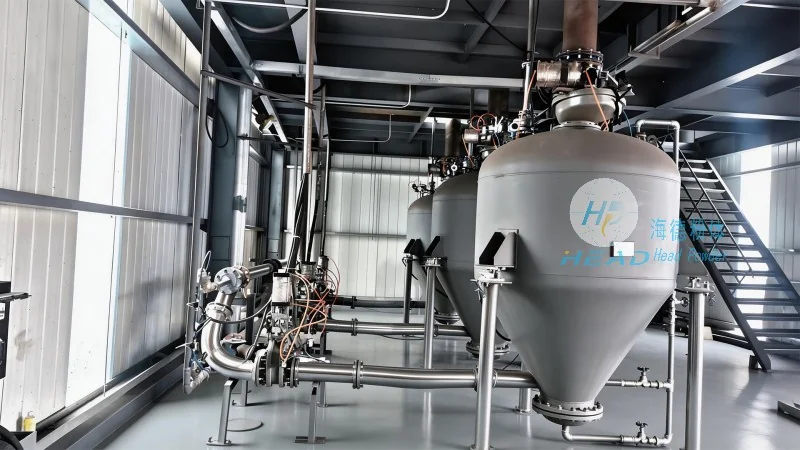
Understanding Pneumatic Conveying Systems for Sintered Fly Ash
Pneumatic conveying is a widely used technique for transporting dry bulk materials like sintered fly ash over short to medium distances. It involves the use of air or other gases to move material through a pipeline system. The two main categories of pneumatic conveying are positive pressure and negative pressure systems, each with distinct characteristics that make them suitable for different scenarios. Positive pressure systems use a blower or compressor to force air and material through the pipeline, while negative pressure systems use a vacuum to draw material into the system.
Positive Pressure Conveying of Sintered Fly Ash
Positive pressure conveying, also known as pressure conveying, operates by blowing air and material through the pipeline. The system typically consists of a positive displacement blower or a centrifugal fan that generates the necessary pressure to move the material. This method is particularly effective for conveying sintered fly ash over longer distances or through complex piping networks. The high pressure ensures that the material is moved efficiently, with minimal blockages or clogging. One of the key advantages of positive pressure systems is their ability to handle abrasive materials like sintered fly ash without significant wear on the equipment. Additionally, positive pressure systems can be designed to operate at higher temperatures, which is beneficial when dealing with hot sintered fly ash that may be generated in the sintering process.
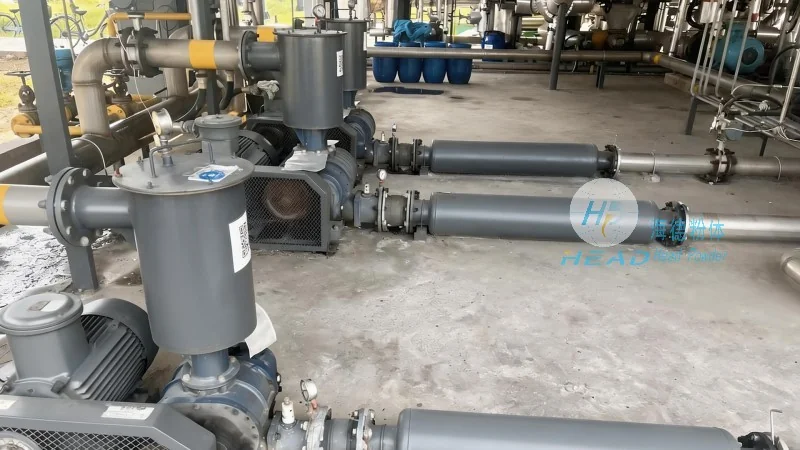
In terms of maintenance, positive pressure systems generally require more frequent maintenance compared to negative pressure systems due to the higher stress on components like the blower and pipeline. However, the initial investment cost for positive pressure systems is often lower, making them a cost-effective solution for many industrial applications. The system is also more suitable for applications where the material needs to be discharged into a high-pressure environment, such as a storage silo or a processing unit.
Negative Pressure Conveying of Sintered Fly Ash
Negative pressure conveying, or vacuum conveying, operates by creating a vacuum in the pipeline to draw material from the source. The system uses a vacuum pump to create the necessary suction, which pulls the material and air through the pipeline. This method is ideal for conveying sintered fly ash over shorter distances and in applications where the material needs to be collected from multiple points. Negative pressure systems are particularly effective for handling fine or dusty materials, as the vacuum helps to prevent dust from escaping into the environment. One of the main advantages of negative pressure systems is their lower noise level compared to positive pressure systems, which is beneficial in environments where noise control is a priority.
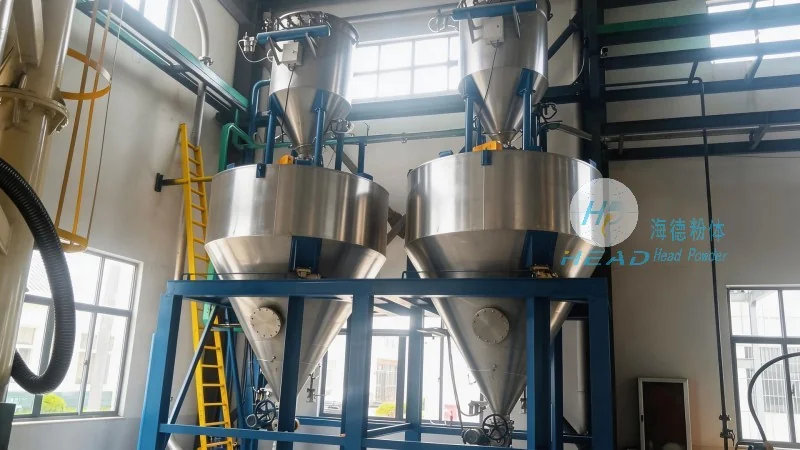
However, negative pressure systems have some limitations when it comes to handling abrasive materials like sintered fly ash. The vacuum pump and pipeline components are more susceptible to wear and tear due to the abrasive nature of the material. Additionally, negative pressure systems are less efficient for conveying materials over long distances, as the vacuum can drop significantly, leading to reduced material flow rates. The system also requires more space for the vacuum pump and collection hopper, which may not be feasible in some industrial settings.
Comparative Analysis: Positive Pressure vs. Negative Pressure Conveying
When comparing positive pressure and negative pressure conveying systems for sintered fly ash, several factors need to be considered. The choice of system depends on the specific requirements of the application, including the distance to be covered, the material characteristics, and the operational environment. Positive pressure systems are generally more suitable for longer distances and higher material flow rates, while negative pressure systems are better for shorter distances and applications where noise control is a priority.
From an operational perspective, positive pressure systems offer higher efficiency and reliability for conveying abrasive materials like sintered fly ash. The high pressure ensures that the material is moved consistently, with minimal blockages or clogging. However, the higher maintenance costs and potential for higher noise levels may be a drawback for some applications. Negative pressure systems, on the other hand, provide a quieter operation and are more suitable for handling fine materials, but they are less efficient for long-distance conveying and may require more frequent maintenance of the vacuum pump and pipeline components.
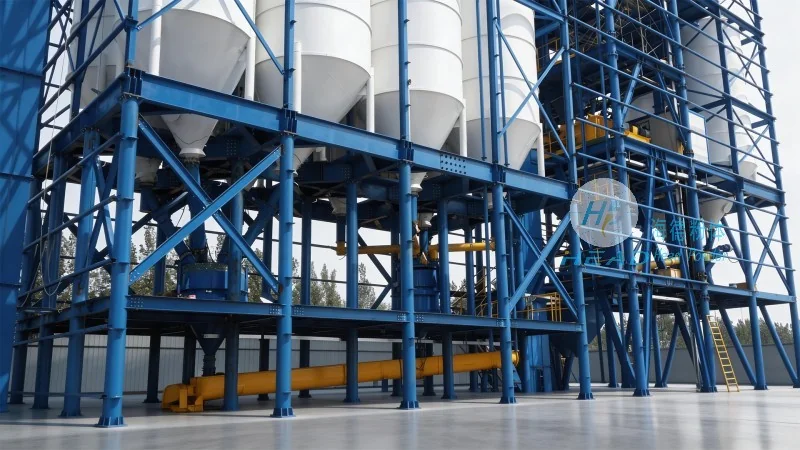
Environmental considerations also play a role in the choice of system. Positive pressure systems may require additional dust collection equipment to prevent dust from escaping into the environment, while negative pressure systems are generally more effective at containing dust. The choice of system should also consider the cost of installation and operation, as well as the availability of space and power supply. Positive pressure systems typically require more power, but the initial investment cost is lower. Negative pressure systems may have a higher initial cost due to the need for a larger vacuum pump and collection hopper, but they may have lower operational costs in terms of energy consumption.
Conclusion and Recommendations
Both positive pressure and negative pressure pneumatic conveying systems offer viable solutions for the transportation of sintered fly ash. The choice between the two depends on the specific needs of the industrial operation. Positive pressure systems are recommended for applications requiring long-distance conveying, high material flow rates, and efficient handling of abrasive materials. Negative pressure systems are more suitable for shorter distances, applications where noise control is a priority, and handling of fine or dusty materials. Shandong HeadPowder Engineering Co., Ltd. provides comprehensive engineering solutions for both types of systems, ensuring that clients can select the most appropriate method based on their operational requirements and budget constraints. By understanding the advantages and limitations of each system, industrial operators can make informed decisions to optimize their sintered fly ash handling processes and improve overall operational efficiency.