

Positive Pressure and Negative Pressure Conveying of Coal Ash Slag: A Comparative Analysis of Two Pn
Pneumatic conveying is a critical technology in the handling and transportation of coal ash slag, a byproduct of coal combustion in power plants. This process involves transporting bulk materials through a pipeline using air or gas as the conveying medium. Two primary methods dominate this field: positive pressure conveying and negative pressure conveying. Understanding the differences between these approaches is essential for selecting the most efficient and cost-effective solution for specific industrial applications.
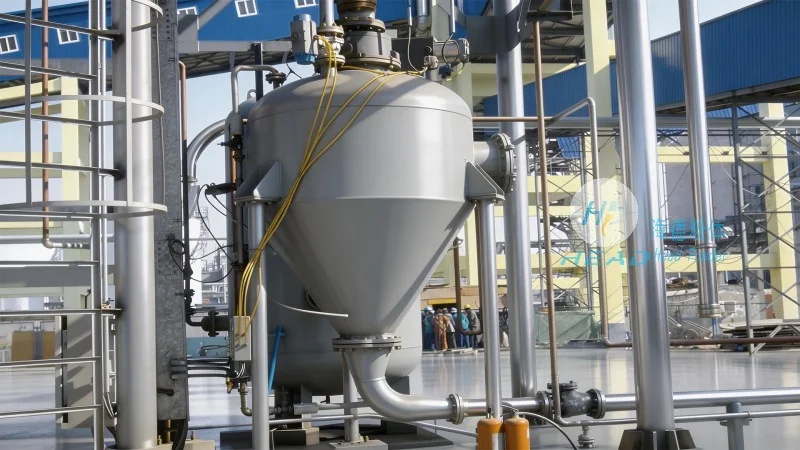
Positive Pressure Conveying: Principles and Applications
Positive pressure conveying, also known as pressure pneumatic conveying, operates by blowing air or gas into the material to be transported. The system uses a positive pressure source, such as a blower or compressor, to push the material through the pipeline. This method is particularly effective for conveying materials over long distances and through complex piping systems. The primary components of a positive pressure system include a material feeder, a positive displacement blower, a pipeline network, and a discharge device. The material is typically fed into the system at a controlled rate, ensuring consistent flow and preventing blockages. Positive pressure conveying is often preferred for applications involving abrasive or high-density materials, as it can handle larger particle sizes and higher flow rates compared to negative pressure systems. However, it requires higher energy input due to the continuous operation of the pressure source.
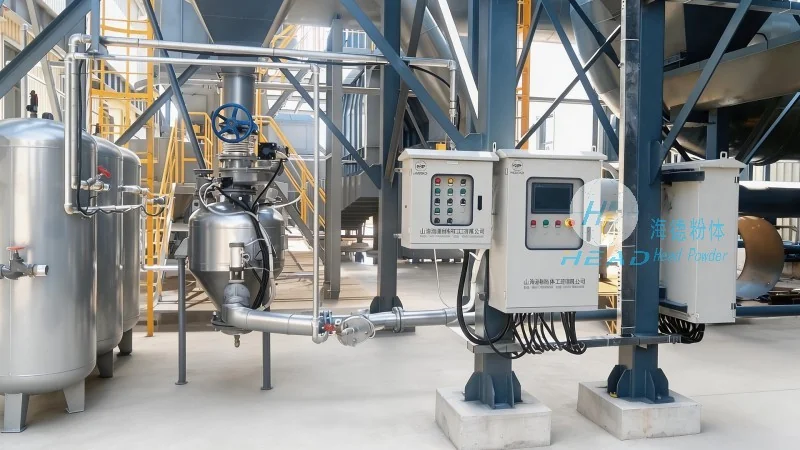
Negative Pressure Conveying: Principles and Applications
Negative pressure conveying, or vacuum pneumatic conveying, works by creating a vacuum in the pipeline to draw material from the source. The system uses a vacuum pump to create a pressure differential that pulls the material into the pipeline. This method is well-suited for applications where the material needs to be collected from multiple points or over a wide area, such as in dust collection systems or material recovery operations. The key components of a negative pressure system include a vacuum pump, a material inlet, a pipeline network, and a discharge point. Unlike positive pressure systems, negative pressure conveying does not require a continuous pressure source, which can reduce energy consumption in some cases. However, it has limitations in terms of maximum conveying distance and material particle size, as the vacuum pressure may not be sufficient to transport larger or heavier particles over long distances.
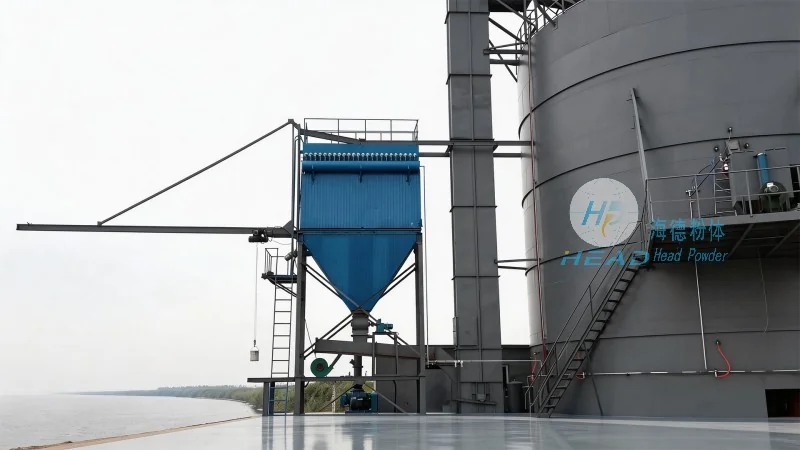
Comparative Analysis: Key Differences and Selection Criteria
When comparing positive and negative pressure conveying for coal ash slag, several factors must be considered to determine the most suitable method. The primary difference lies in the direction of air flow and the pressure differential. Positive pressure systems push material through the pipeline, while negative pressure systems pull material. This fundamental difference impacts several operational aspects, including energy consumption, material handling capabilities, and system complexity. Positive pressure systems generally offer higher conveying capacities and longer distances, making them ideal for large-scale industrial applications. They are also more effective in handling abrasive or sticky materials, as the high pressure can help break up agglomerates and maintain flow. On the other hand, negative pressure systems are more energy-efficient for short-distance or low-volume applications and are better suited for collecting fine dust or handling materials that are sensitive to pressure. The choice between the two methods also depends on the specific characteristics of the coal ash slag, such as particle size distribution, moisture content, and density. For example, if the ash slag contains large, heavy particles, a positive pressure system may be necessary to ensure reliable transport. Conversely, if the material is fine and requires collection from multiple points, a negative pressure system might be more appropriate.
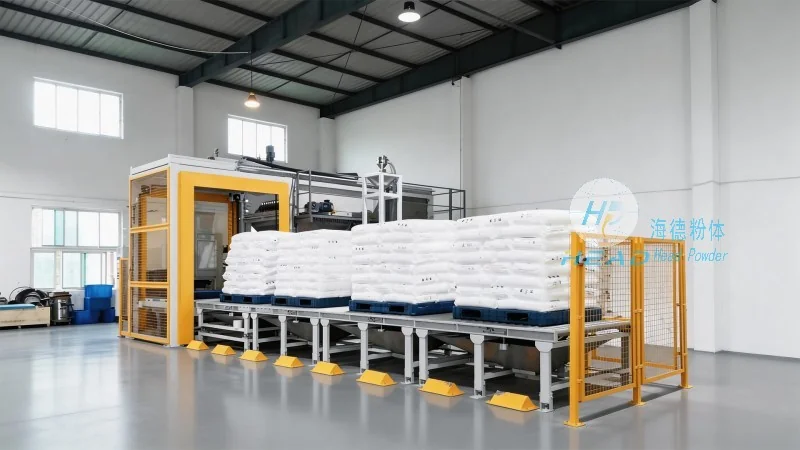
HeadPowder's Expertise in Pneumatic Conveying Solutions
Shandong HeadPowder Engineering Co., Ltd., a leading provider of engineering solutions in China, specializes in designing and manufacturing customized pneumatic conveying systems tailored to the unique needs of coal ash slag handling. With a deep understanding of both positive and negative pressure technologies, HeadPowder offers comprehensive solutions that address the specific challenges of transporting coal ash slag efficiently and safely. The company's team of experienced engineers conducts thorough assessments of each project, considering factors such as material properties, conveying distance, and operational requirements to recommend the most suitable conveying method. HeadPowder's systems are built with high-quality components, including advanced blower technology, robust pipeline materials, and intelligent control systems, ensuring reliable performance and minimal maintenance. The company also provides technical support and after-sales services to ensure that clients can maximize the efficiency and longevity of their pneumatic conveying systems. By leveraging its expertise in both positive and negative pressure conveying, HeadPowder helps power plants and other industrial facilities optimize their coal ash slag handling processes, reducing operational costs and improving overall productivity.