

Comparison of Positive Pressure and Negative Pressure Conveying for Iron Ore Pellets: A Comparative
Pneumatic conveying is a critical technology in the handling and transportation of iron ore pellets, offering efficient and flexible solutions for material transport. Two primary methods dominate this field: positive pressure conveying and negative pressure conveying. This analysis delves into the characteristics, advantages, and disadvantages of each approach, providing a comprehensive comparison to aid in selecting the most suitable method for specific industrial applications.
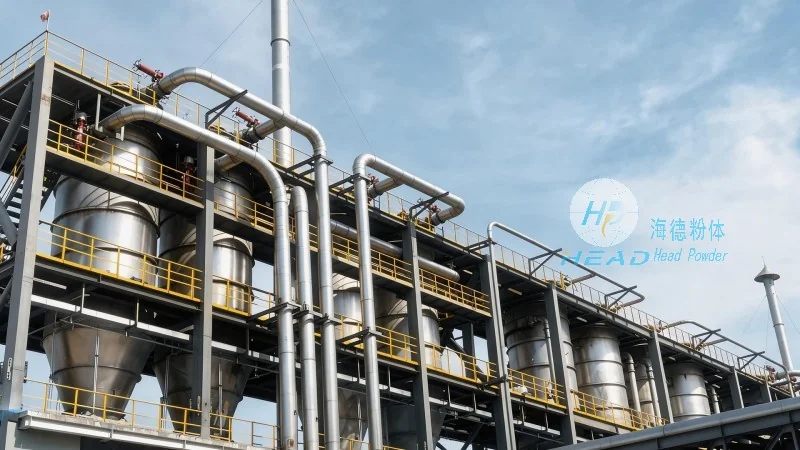
Company Overview: HeadPowder Engineering
HeadPowder Engineering, a leading provider of material handling solutions, specializes in the design, manufacturing, and implementation of pneumatic conveying systems. With a strong presence in China, particularly in Shandong, the company leverages advanced engineering and technical expertise to deliver high-performance solutions tailored to the needs of the iron ore industry. Their commitment to quality and innovation ensures that clients receive systems that optimize efficiency, reduce operational costs, and enhance safety in material transport processes.
Positive Pressure Conveying: Advantages and Applications
Positive pressure conveying, also known as pressure pneumatic conveying, operates by blowing air or a gas mixture into the conveying line, creating a positive pressure environment that propels the material forward. This method is particularly effective for transporting iron ore pellets over long distances and through complex system layouts. One of the key advantages of positive pressure systems is their ability to handle a wide range of particle sizes and moisture contents, making them suitable for diverse iron ore pellet compositions. Additionally, positive pressure conveying offers higher conveying velocities, which can reduce system size and installation costs compared to negative pressure systems. However, it is important to note that positive pressure systems require robust sealing and filtration to prevent dust emissions and maintain air quality, which can increase initial capital costs and maintenance requirements.
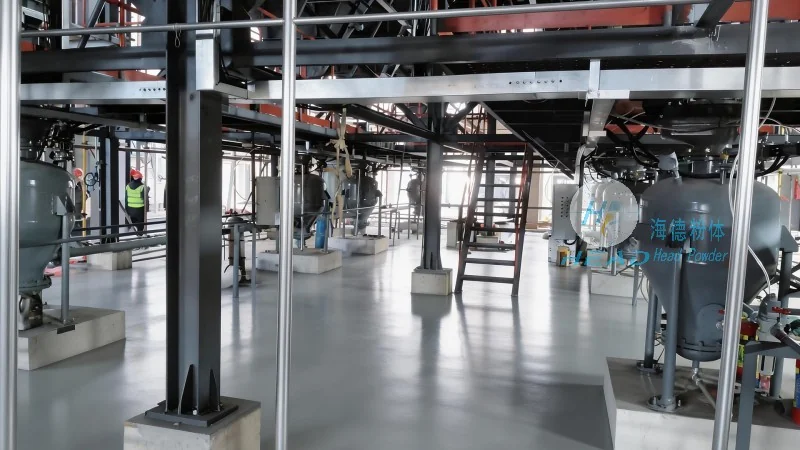
Negative Pressure Conveying: Characteristics and Use Cases
Negative pressure conveying, or vacuum pneumatic conveying, operates by creating a vacuum in the conveying line, drawing material from the source into the system. This method is often preferred for short to medium-distance transport and for applications where dust control is a primary concern. Negative pressure systems excel in handling fine powders and materials that are sensitive to pressure changes, as the vacuum environment minimizes particle degradation and maintains material integrity. A significant advantage of negative pressure conveying is its lower risk of dust leakage, as the system operates under negative pressure, preventing dust from escaping into the environment. However, negative pressure systems are generally less efficient for long-distance transport due to higher energy consumption and potential issues with system backpressure. They also require careful design to prevent air leaks, which can compromise system performance and increase operational costs.
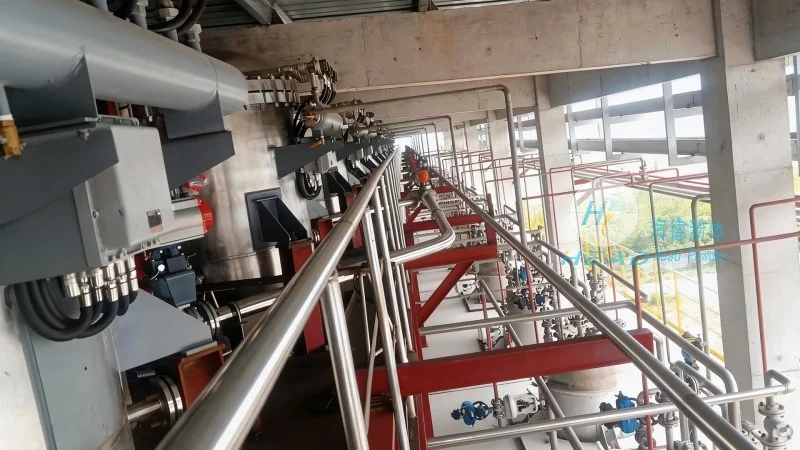
Key Considerations for Choosing Between Positive and Negative Pressure Conveying
The choice between positive and negative pressure conveying for iron ore pellets depends on several critical factors, including the distance of transport, the material characteristics, and the environmental regulations in the operating region. For long-distance or complex system layouts, positive pressure conveying is often the preferred choice due to its higher efficiency and ability to handle larger particle sizes. Conversely, for short-distance transport or applications requiring strict dust control, negative pressure conveying may be more suitable. Material properties, such as moisture content, particle size distribution, and abrasiveness, also play a crucial role in system selection. For example, abrasive iron ore pellets may require more robust equipment in positive pressure systems to prevent wear and tear, while fine powders may benefit from the gentle handling of negative pressure systems. Additionally, cost considerations, including initial investment and long-term maintenance, must be evaluated. Positive pressure systems typically have higher upfront costs due to the need for high-pressure air compressors and robust sealing, whereas negative pressure systems may have lower initial costs but higher operational costs due to energy consumption and potential air leaks.
Conclusion: Tailoring Conveying Solutions to Industrial Needs
Both positive pressure and negative pressure conveying offer viable solutions for the transportation of iron ore pellets, each with distinct advantages and limitations. The optimal choice depends on the specific requirements of the industrial application, including distance, material characteristics, and environmental considerations. HeadPowder Engineering, with its expertise in pneumatic conveying systems, provides customized solutions that balance efficiency, cost, and operational safety. By understanding the nuances of each conveying method, industry professionals can select the most appropriate system to enhance productivity and ensure compliance with industry standards. As the iron ore industry continues to evolve, the continued development and refinement of pneumatic conveying technologies will remain essential for maintaining competitive advantages and sustainable operations.