

Technical Analysis of Barley Pneumatic Conveying Systems: Comparison of Positive and Negative Pressu
Barley pneumatic conveying systems are crucial in the processing and handling of barley, a key ingredient in brewing and other industries. These systems utilize air to transport barley from one location to another, offering efficient and hygienic solutions for material handling. The choice between positive and negative pressure conveying modes significantly impacts system performance, cost, and operational safety. This article provides a technical analysis of these two primary modes, highlighting their characteristics, advantages, and applications.
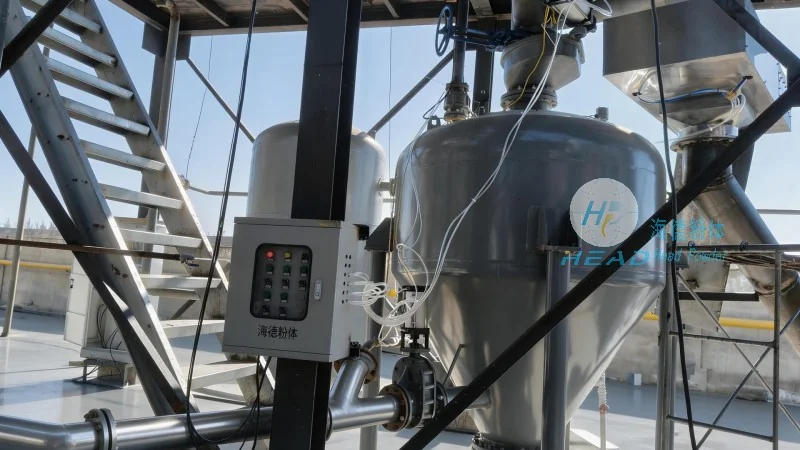
Understanding Positive Pressure Conveying
Positive pressure conveying, also known as pressure pneumatic conveying, operates by blowing air into the conveying line, creating a pressure higher than the ambient air pressure. This method is commonly used for short to medium distance transport and can handle a wide range of materials, including barley. The system typically consists of a blower, a hopper, and a conveying line. The blower generates the necessary pressure to move the material through the line. One of the key advantages of positive pressure systems is their ability to handle abrasive materials without significant wear on the equipment. Additionally, they can operate in environments where dust control is critical, as the system is sealed and the air is contained within the line.
Advantages of Positive Pressure Conveying for Barley Handling
For barley processing, positive pressure conveying offers several benefits. Firstly, it provides consistent and reliable material flow, which is essential for maintaining production efficiency. The high pressure ensures that barley particles are effectively suspended and transported, reducing the risk of blockages or uneven flow. Secondly, the system is relatively simple to install and maintain, with fewer components compared to negative pressure systems. This can lead to lower operational costs and reduced downtime. Thirdly, positive pressure systems are well-suited for applications where the receiving point is at a higher elevation than the source, as the pressure can be used to lift the material. However, a major drawback is the potential for higher energy consumption, as more air is required to maintain the pressure. Additionally, the system may generate more noise due to the high-speed air flow.
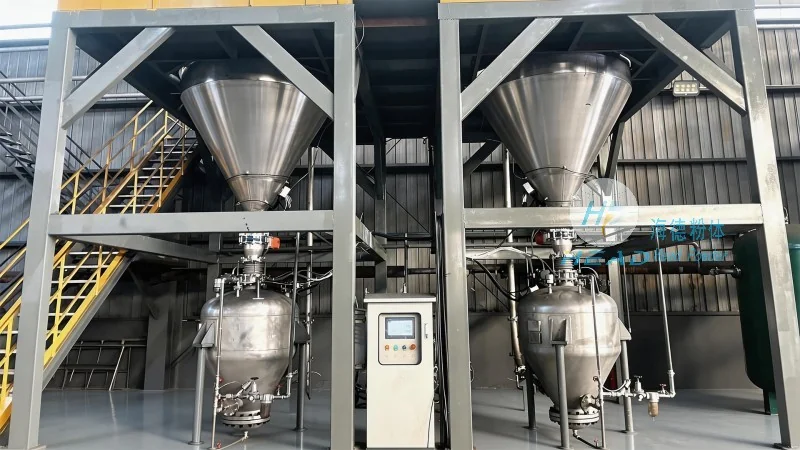
Exploring Negative Pressure Conveying
Negative pressure conveying, or vacuum pneumatic conveying, works by creating a vacuum in the conveying line, drawing material from the source into the line. This method is often used for longer distances and for materials that are more sensitive to pressure or friction. The system includes a vacuum pump, a hopper, and a conveying line. The vacuum pump creates the negative pressure, which pulls the material into the line. Negative pressure systems are particularly effective for handling fine or dusty materials, as the vacuum helps to control dust emissions and maintain a clean environment.
Advantages of Negative Pressure Conveying for Barley Handling
When dealing with barley, negative pressure conveying has its own set of advantages. One of the primary benefits is lower energy consumption compared to positive pressure systems, as less air is required to maintain the vacuum. This can result in significant cost savings over time, especially for large-scale operations. Secondly, the system is quieter and more environmentally friendly, as the air is drawn in rather than blown out. This reduces noise pollution and minimizes the risk of dust escaping into the environment. Thirdly, negative pressure systems are ideal for applications where the receiving point is at a lower elevation than the source, as the vacuum can pull the material down. However, a significant disadvantage is the potential for higher wear on the equipment, particularly the vacuum pump and the conveying line, due to the abrasive nature of barley particles. Additionally, the system may be more prone to blockages if the material is not properly conditioned before conveying.
Key Differences and Selection Criteria
When comparing positive and negative pressure conveying for barley handling, several factors should be considered. The distance between the source and receiving point is a critical factor. Positive pressure systems are generally more suitable for shorter distances, typically up to a few hundred meters, while negative pressure systems can handle longer distances, sometimes exceeding a kilometer. The material characteristics, such as particle size, moisture content, and abrasiveness, also play a significant role. For barley, which has relatively large and abrasive particles, positive pressure systems may be preferred due to their ability to handle such materials without excessive wear. However, if the system needs to transport barley over longer distances or in environments where noise and dust control are paramount, negative pressure systems may be the better choice.
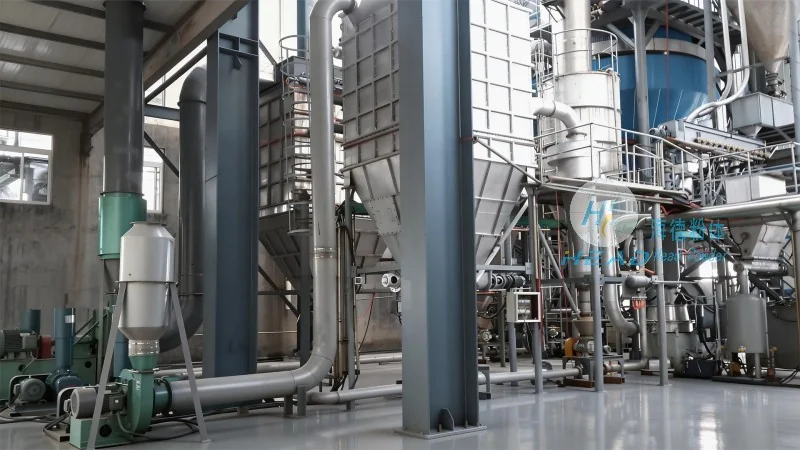
Application Examples in Barley Processing
Both positive and negative pressure conveying systems are widely used in barley processing facilities. For example, in a brewery, a positive pressure system might be used to transport barley from a storage silo to a milling machine, where the distance is relatively short and the material is abrasive. Conversely, a negative pressure system could be used to transport barley from a mill to a storage silo, especially if the receiving silo is at a lower level and the facility requires minimal noise and dust emissions. In both cases, the choice of system depends on the specific operational requirements and the characteristics of the barley being handled.
Conclusion and Recommendations
Both positive and negative pressure conveying modes offer effective solutions for barley handling, each with its own set of advantages and limitations. Positive pressure systems are generally more suitable for short distances and abrasive materials, providing reliable and efficient transport. Negative pressure systems, on the other hand, are ideal for longer distances and applications where noise and dust control are critical, offering lower energy consumption and a quieter operation. When selecting a system, it is essential to consider factors such as the distance, material characteristics, and operational environment. Consulting with a specialized engineering company, such as Shandong HeadPowder Engineering Co., Ltd., can provide valuable insights and help in choosing the most appropriate conveying system for specific barley processing needs.