

Technical Analysis of Cement Particle Pneumatic Conveying Systems: Comparison of Positive Pressure a
When it comes to the efficient and reliable transport of cement particles, pneumatic conveying systems have become a cornerstone technology in the industry. Among the various approaches, positive pressure and negative pressure conveying modes stand out as the two primary methods. Understanding the nuances and differences between these two systems is crucial for selecting the most suitable solution for specific applications. This article provides a detailed technical analysis of cement particle pneumatic conveying systems, focusing on the comparison between positive pressure and negative pressure modes.
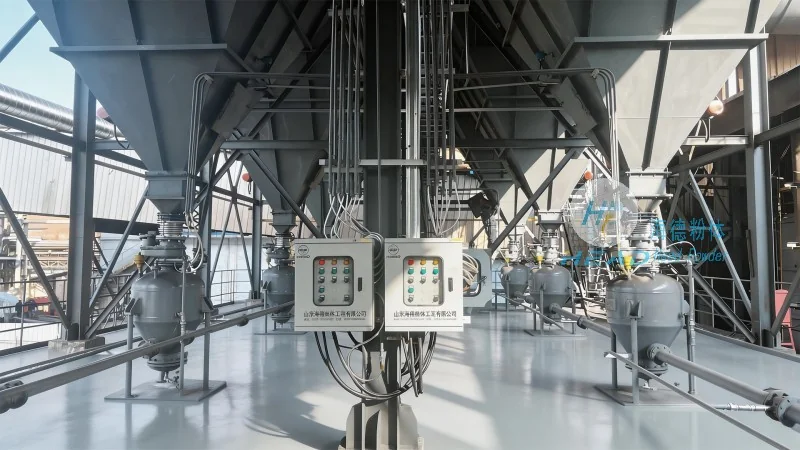
Introduction to Pneumatic Conveying Systems
Pneumatic conveying systems utilize air or gas to transport bulk materials like cement particles through a pipeline. This method offers several advantages over traditional mechanical conveying, including reduced maintenance, lower energy consumption, and the ability to handle materials that are difficult to transport via conventional means. The choice between positive pressure and negative pressure systems depends on factors such as material characteristics, system layout, and operational requirements.
Positive Pressure Conveying Mode
Positive pressure conveying operates by blowing air or gas into the conveying line, creating a pressure higher than the ambient air pressure. The material is then drawn into the line by the pressure differential and carried to the destination. This mode is particularly effective for conveying materials that are prone to segregation or that require gentle handling. The system typically consists of a blower, a hopper, and a series of pipelines, with the material being discharged at the end of the line.
In the context of cement particle transport, positive pressure systems are often preferred for applications where the material needs to be conveyed over long distances or through complex layouts. The high pressure ensures that the material is consistently moved through the pipeline, minimizing the risk of blockages or material degradation. Additionally, positive pressure systems can handle a wide range of particle sizes and moisture content, making them versatile for various cement types.
Negative Pressure Conveying Mode
Negative pressure conveying, also known as suction or vacuum conveying, works by creating a vacuum in the conveying line. The material is drawn into the line by the pressure difference between the inlet and the vacuum zone. This mode is commonly used for short-distance or low-volume conveying tasks. The system includes a vacuum pump, a hopper, and a collection point where the material is discharged.
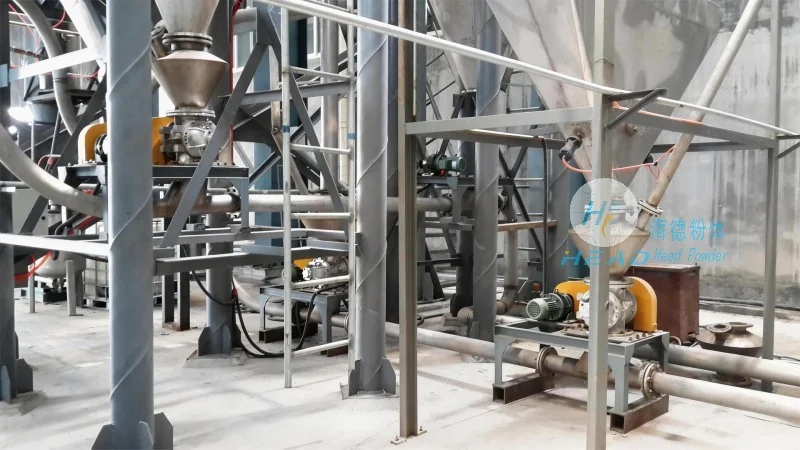
For cement particle applications, negative pressure systems are often employed when the material is to be transported from a low-level source to a higher destination, or when the material is sensitive to high pressure. The gentle handling of the material in negative pressure systems helps maintain the integrity of the cement particles, preventing issues such as clumping or degradation. However, these systems may have limitations in terms of conveying distance and material capacity compared to positive pressure systems.
Key Differences and Performance Comparison
When comparing positive and negative pressure conveying modes for cement particles, several key factors come into play. The primary difference lies in the pressure differential and the direction of material movement. Positive pressure systems use higher pressure to push material forward, while negative pressure systems rely on vacuum to pull material. This difference affects the system's efficiency, energy consumption, and suitability for different material characteristics.
From an operational perspective, positive pressure systems generally offer higher conveying rates and are more suitable for long-distance or high-volume applications. They are also more robust and can handle abrasive or corrosive materials without significant wear. In contrast, negative pressure systems are more energy-efficient for short distances and can handle more delicate materials, but they may require more frequent maintenance due to the vacuum pump and the potential for material buildup in the suction line.
Factors Influencing System Selection
The choice between positive and negative pressure conveying modes for cement particles is influenced by several practical considerations. These include the distance between the source and destination, the volume of material to be conveyed, the particle size and moisture content of the cement, and the layout of the facility. For instance, if the conveying distance is over 100 meters or the material volume is high, a positive pressure system is often the better choice due to its higher capacity and reliability. Conversely, for short distances or when handling fine, sensitive cement particles, a negative pressure system may be more appropriate.
Another critical factor is the environmental impact and noise levels. Positive pressure systems typically generate more noise due to the high-pressure blower, while negative pressure systems may have lower noise levels but require careful management of dust and air emissions. The choice of system also depends on the available space and infrastructure, as positive pressure systems may require more space for the blower and pipeline layout.
Applications and Use Cases
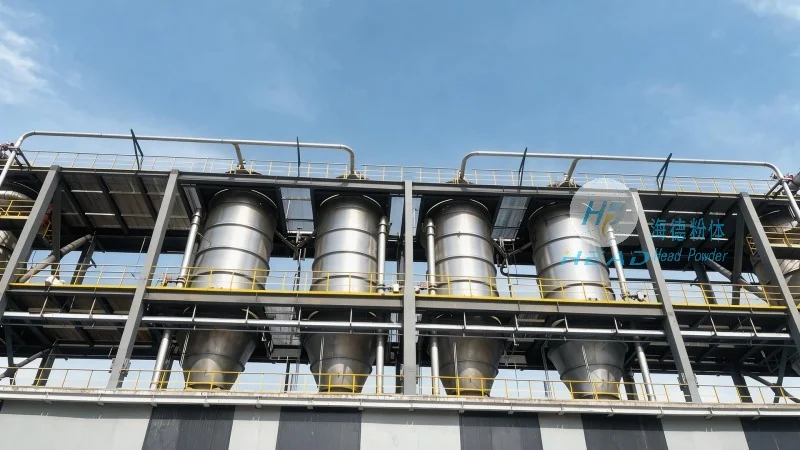
Both positive and negative pressure conveying systems find applications in various cement processing and handling scenarios. Positive pressure systems are commonly used in large-scale cement plants for transporting raw materials, finished cement products, and additives over long distances within the plant or to external storage facilities. They are also suitable for conveying cement to construction sites or distribution centers where high throughput is required.
Negative pressure systems are often employed in smaller-scale operations or for handling fine cement powders, such as in laboratory settings or for transporting cement from storage silos to mixing equipment. They are particularly useful when the material needs to be conveyed from a low point to a higher elevation, as the vacuum can effectively draw the material upward without the need for additional lifting equipment.
Conclusion
In conclusion, the selection between positive pressure and negative pressure conveying modes for cement particle transport depends on a careful evaluation of operational requirements, material characteristics, and system constraints. Positive pressure systems offer higher capacity, longer conveying distances, and robust performance, making them ideal for large-scale industrial applications. Negative pressure systems, on the other hand, provide gentle handling, lower energy consumption for short distances, and are suitable for delicate or fine cement particles.
Understanding the technical aspects of both modes is essential for optimizing the performance and efficiency of cement particle pneumatic conveying systems. By considering factors such as distance, volume, material properties, and operational environment, engineers can select the most appropriate system to meet the specific needs of their cement processing operations. This technical analysis aims to provide a comprehensive overview to assist in the decision-making process for selecting the right pneumatic conveying solution.