

Technical Analysis of Polyurethane Pneumatic Conveying Systems: Comparison of Positive Pressure and
For industrial applications requiring efficient material handling, the choice between positive pressure and negative pressure pneumatic conveying systems is a critical decision. This analysis focuses on the technical aspects of polyurethane-based pneumatic conveying systems, exploring the distinct characteristics, advantages, and applications of both positive pressure and negative pressure modes. By understanding the nuances of each system, industries can select the most suitable solution for their specific material handling needs.
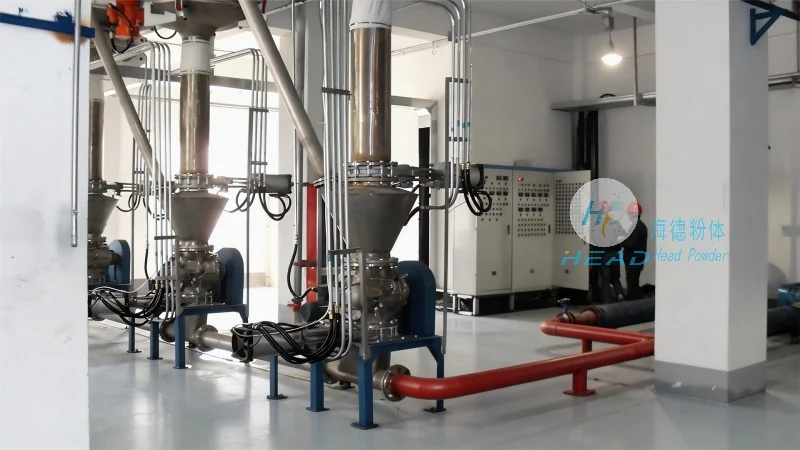
Introduction to Polyurethane Pneumatic Conveying Systems
Polyurethane (PU) is widely recognized for its durability, flexibility, and resistance to abrasion, making it an ideal material for constructing components in pneumatic conveying systems. These systems are designed to transport bulk materials such as powders, granules, and fine particles through an air stream. The two primary modes of operation—positive pressure and negative pressure—differ in how they create the necessary pressure differential to move materials. Understanding these differences is essential for optimizing system performance and ensuring reliable material transport.
Positive Pressure Pneumatic Conveying Systems
Positive pressure systems operate by blowing air or a gas mixture into the conveying line, creating a pressure higher than the ambient air pressure. This method forces the material to move through the system. In polyurethane systems, positive pressure conveying is often used for long-distance or high-capacity applications where the material needs to be transported over significant distances or through complex piping networks. The positive pressure approach ensures consistent material flow and can handle a wide range of materials, including those that are abrasive or have high moisture content. The system typically includes a blower or compressor at the inlet, which generates the necessary pressure to push the material through the pipeline.
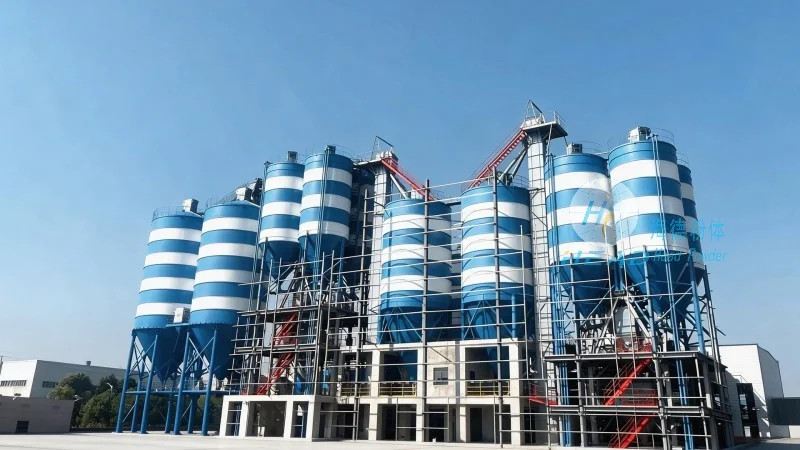
Negative Pressure Pneumatic Conveying Systems
Negative pressure systems, also known as vacuum or suction systems, operate by creating a vacuum at the inlet of the conveying line, drawing material into the system. The ambient air pressure outside the line is higher than the pressure inside, causing the material to be pulled into the pipeline. Polyurethane components in negative pressure systems are designed to withstand the low internal pressures while maintaining structural integrity. This mode is commonly used for short-distance conveying, where the material is transported from a hopper or storage bin to a processing unit. Negative pressure systems are particularly effective for handling materials that are light or have low bulk density, as the vacuum helps to maintain material flow without the need for high air velocities.
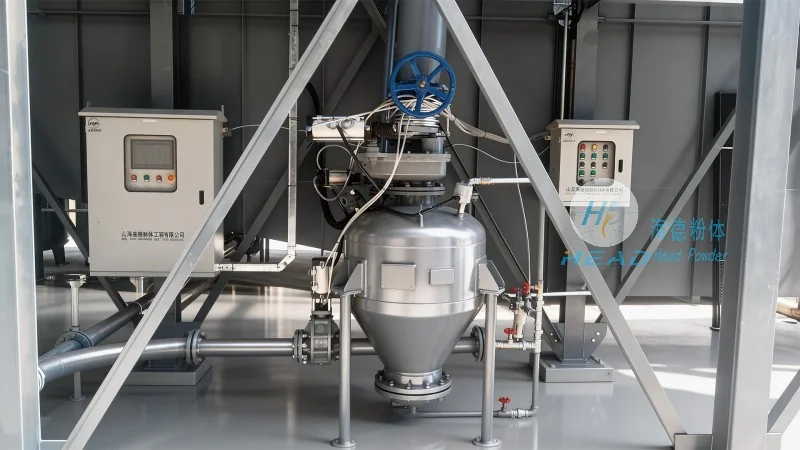
Key Components in Polyurethane Pneumatic Conveying Systems
Both positive and negative pressure systems rely on several key components, many of which are constructed from polyurethane to enhance durability and performance. These components include: inlet hoppers, which feed material into the system; conveying pipes, which transport the material; and discharge units, which release the material at the destination. The use of polyurethane in these components provides resistance to wear and tear from abrasive materials, ensuring long service life. Additionally, polyurethane is often used in valves and fittings to control the flow of material and air, maintaining system efficiency.
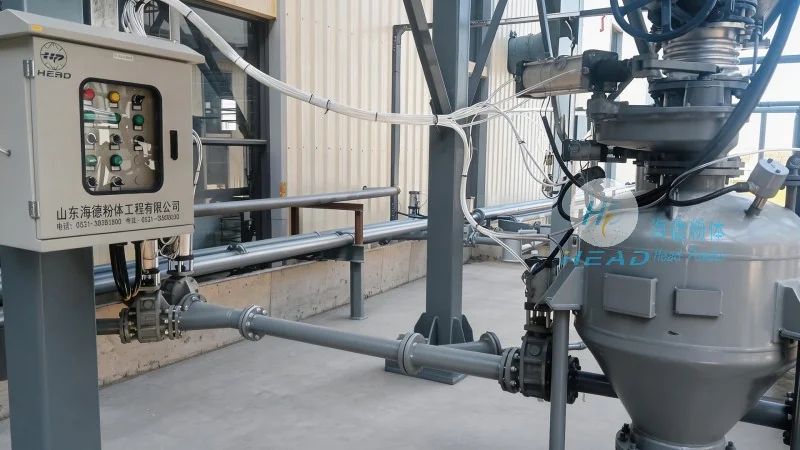
Advantages and Applications of Polyurethane Pneumatic Conveying
Polyurethane pneumatic conveying systems offer several advantages, including high efficiency, low maintenance, and the ability to handle a wide variety of materials. The positive pressure mode is particularly suitable for applications requiring high capacity and long-distance transport, such as in chemical and food processing industries. The negative pressure mode is ideal for applications where the material needs to be transported from a central source to multiple destinations or where the material is light and requires gentle handling. The flexibility of polyurethane components allows for customization to meet specific application requirements, ensuring optimal performance in diverse industrial settings.
Conclusion
In conclusion, the choice between positive pressure and negative pressure polyurethane pneumatic conveying systems depends on the specific requirements of the material handling application. Positive pressure systems are better suited for high-capacity, long-distance transport, while negative pressure systems are more appropriate for short-distance or gentle handling of light materials. By leveraging the durability and performance of polyurethane components, these systems provide reliable and efficient material transport solutions. As industries continue to seek improved material handling technologies, the technical advantages of polyurethane pneumatic conveying systems remain a valuable option for optimizing operational efficiency and reducing maintenance costs.