

Technical Analysis of Powder Coating Pneumatic Conveying Systems: Comparison of Positive Pressure vs
HeadPowder, a leading engineering company based in Shandong, China, specializes in the design and implementation of advanced pneumatic conveying systems for powder coating applications. This article provides a technical comparison of two primary delivery modes—positive pressure and negative pressure—used in these systems, highlighting their operational principles, advantages, and typical applications.
Introduction to Pneumatic Conveying for Powder Coatings
Powder coating is a critical process in the manufacturing of various products, including automotive parts, appliances, and industrial equipment. The efficiency and reliability of material handling systems directly impact production throughput and product quality. Pneumatic conveying systems offer a non-contact, flexible solution for transporting powder coatings from storage silos to application points. These systems rely on the movement of air to transport the powder, eliminating the need for mechanical components like conveyors or elevators that can cause product contamination or degradation.
Positive Pressure Pneumatic Conveying Systems
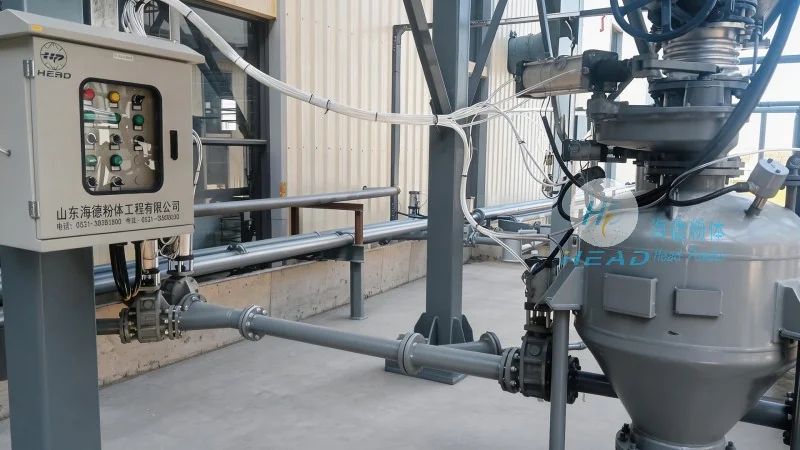
Positive pressure systems operate by generating high-pressure air that pushes the powder through a pipeline. The air is introduced at the inlet of the system, creating a pressure differential that propels the material forward. This mode is particularly effective for long-distance and high-volume powder transport. The primary advantage of positive pressure is its ability to handle large quantities of material over extended distances without significant pressure loss. It also allows for the integration of multiple delivery points from a single source, as the high-pressure air can be distributed to various branches of the pipeline.
From a technical standpoint, positive pressure systems typically use rotary lobe blowers or centrifugal compressors to generate the necessary air pressure. The choice of equipment depends on the specific requirements of the application, such as the required flow rate and pressure. For example, a rotary lobe blower provides a consistent flow rate, making it suitable for continuous production lines, while a centrifugal compressor can handle higher pressures for longer distances. HeadPowder’s expertise lies in selecting the appropriate air-moving equipment to ensure optimal performance and energy efficiency.
Negative Pressure Pneumatic Conveying Systems
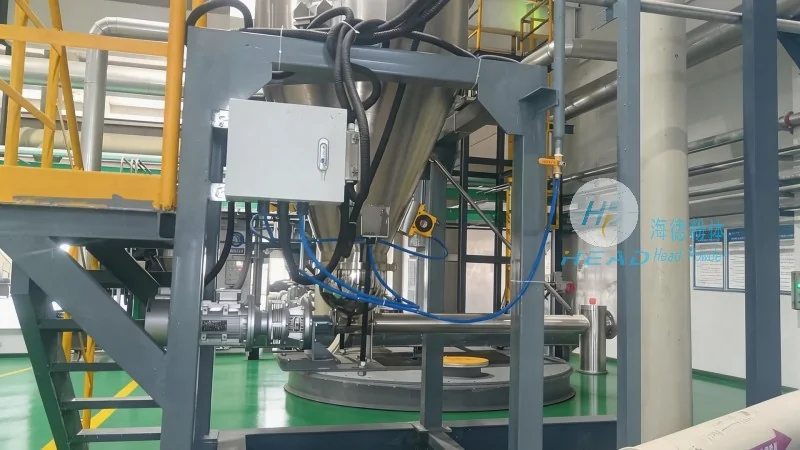
Negative pressure systems, also known as vacuum or suction systems, operate by creating a low-pressure environment at the inlet, which draws the powder into the pipeline. The air is then drawn through the system and exhausted at the outlet, carrying the powder with it. This mode is ideal for short-distance transport or applications where the powder needs to be collected from multiple points. The key advantage of negative pressure is its ability to handle fine powders and prevent product degradation due to the absence of high-pressure air contact.
Technical considerations for negative pressure systems include the selection of vacuum pumps and the design of the suction inlet. The vacuum pump must be capable of maintaining a consistent negative pressure throughout the system, which is crucial for reliable material transport. The inlet design is also critical, as it must effectively capture the powder without causing excessive air leakage or particle loss. HeadPowder’s engineers focus on optimizing the suction inlet to minimize pressure drop and maximize material capture efficiency.
Comparison of Positive and Negative Pressure Modes
When selecting a pneumatic conveying system for powder coating applications, the choice between positive and negative pressure modes depends on several factors, including the distance between the source and destination, the volume of material to be transported, and the nature of the powder. Positive pressure systems are generally preferred for long-distance, high-volume applications due to their ability to maintain pressure and handle large quantities efficiently. Negative pressure systems, on the other hand, are more suitable for short-distance, low-volume applications or where the powder is sensitive to high-pressure air.
In terms of operational costs, positive pressure systems may require more energy to generate high-pressure air, especially over long distances. However, they can be more cost-effective for large-scale production due to their higher throughput. Negative pressure systems typically consume less energy but may require more frequent maintenance of the vacuum pump and inlet components. HeadPowder evaluates these factors for each client to recommend the most suitable system configuration.
Key Considerations for System Design and Implementation
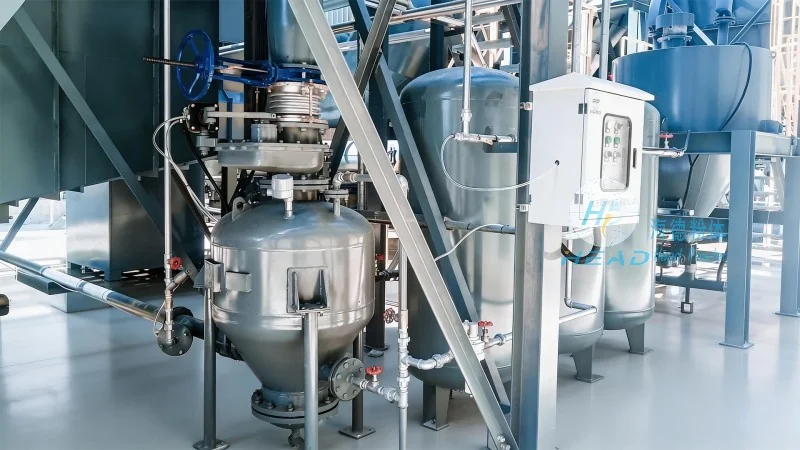
Regardless of the chosen delivery mode, the design of a pneumatic conveying system for powder coatings must address several critical aspects to ensure optimal performance and longevity. These include the selection of appropriate pipeline materials, the use of proper bends and fittings to minimize pressure loss, and the implementation of filtration systems to prevent powder buildup and maintain air quality. HeadPowder’s engineers follow industry best practices and use advanced computational fluid dynamics (CFD) simulations to optimize system design before installation.
Another important consideration is the maintenance and reliability of the system. Positive pressure systems may require regular inspection of the air-moving equipment and pipeline seals to prevent leaks, while negative pressure systems need to monitor vacuum pump performance and inlet cleanliness. HeadPowder provides comprehensive maintenance services to ensure that the systems operate at peak efficiency and minimize downtime.
Conclusion
Pneumatic conveying systems are essential for the efficient handling of powder coatings in modern manufacturing. The choice between positive and negative pressure delivery modes depends on the specific requirements of the application, with each mode offering unique advantages. HeadPowder, with its expertise in engineering and system design, helps clients select and implement the most suitable pneumatic conveying solution to meet their production needs. By leveraging advanced technology and careful system design, HeadPowder ensures that powder coating processes are optimized for performance, reliability, and cost-effectiveness.