

Technical Analysis of Zinc Oxide Powder Pneumatic Conveying Systems: A Comparison of Positive Pressu
For industries dealing with zinc oxide powder, selecting the right pneumatic conveying system is crucial for efficiency, safety, and cost-effectiveness. Pneumatic conveying systems transport bulk materials like zinc oxide powder through a pipeline using air or other gases. Two primary modes dominate this field: positive pressure and negative pressure systems. This technical analysis delves into the characteristics, advantages, and practical considerations of both approaches, providing insights for selecting the optimal solution for zinc oxide powder handling.
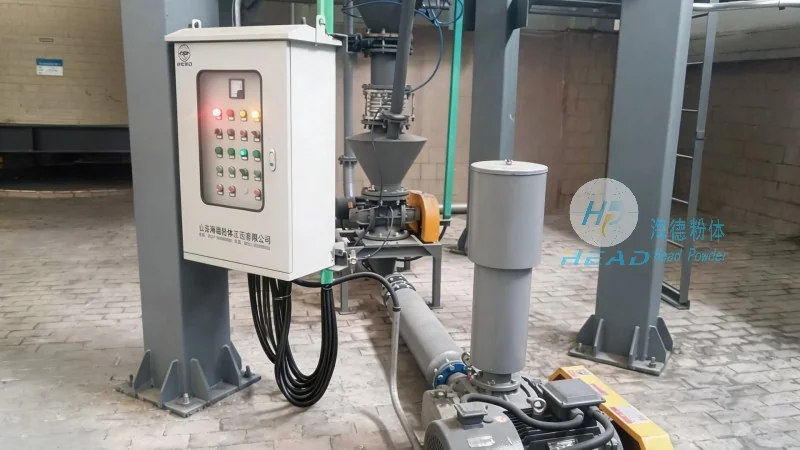
Introduction to Pneumatic Conveying Systems for Zinc Oxide Powder
Zinc oxide powder, widely used in pharmaceuticals, ceramics, and rubber industries, presents unique challenges during transportation due to its fine particle size and potential for dust generation. Pneumatic conveying offers a dust-free, continuous, and flexible method to move this material from storage to processing units. The choice between positive and negative pressure systems depends on factors such as material properties, system layout, and operational requirements. Understanding the technical nuances of each mode is essential for designing an efficient and reliable conveying system.
Positive Pressure Pneumatic Conveying Systems
Positive pressure systems operate by blowing air or gas into the conveying line, creating a pressure higher than the ambient air pressure. This method propels the material forward through the pipeline. For zinc oxide powder, positive pressure systems are often preferred when the material needs to be transported over long distances or through complex network layouts. The high pressure ensures consistent material flow and minimizes the risk of blockages, which is critical for fine powders prone to agglomeration. A key advantage is the ability to handle multiple pick-up points and deliver the material to several destinations from a single source. This flexibility is valuable in industrial settings where material is distributed to various processing units.
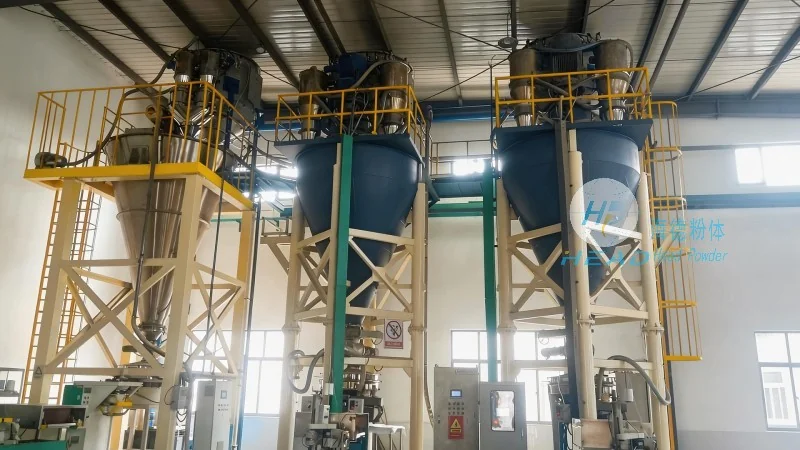
HeadPowder, a leading provider of pneumatic conveying solutions, specializes in designing positive pressure systems tailored to the specific needs of zinc oxide powder applications. Their expertise includes selecting appropriate air volumes, pressure levels, and pipeline diameters to ensure smooth material transport. The company’s engineers consider factors such as the powder's bulk density, flowability, and moisture content to optimize system performance. By leveraging advanced design software and real-world testing, HeadPowder delivers systems that maximize efficiency while maintaining safety standards. For example, a positive pressure system installed by HeadPowder for a zinc oxide manufacturer in Shandong, China, successfully transported 50 tons of powder per hour over a 500-meter distance, achieving a throughput rate that met production demands.
Negative Pressure Pneumatic Conveying Systems
Negative pressure systems, also known as suction or vacuum systems, create a vacuum in the conveying line, drawing material from the source into the pipeline. This approach is ideal for applications where the material is to be collected from a single point or where the system layout involves multiple pick-up points feeding into a central receiver. Unlike positive pressure systems, negative pressure systems do not require high-pressure air compressors, reducing energy consumption and operational costs. However, they are more susceptible to blockages and require careful maintenance to prevent material buildup in the suction line.
For zinc oxide powder, negative pressure systems are commonly used in scenarios where the material is generated at a single source, such as a storage silo or a production line, and needs to be transported to a central processing unit. The vacuum created by the system ensures that the powder is drawn into the pipeline without the need for external pressure, making it suitable for applications where the material is lightweight and prone to dispersion. HeadPowder also offers negative pressure solutions, incorporating features like cyclone separators and filter bags to capture any dust and maintain air quality. These systems are particularly effective in environments where dust control is a priority, as they prevent the release of fine particles into the atmosphere.
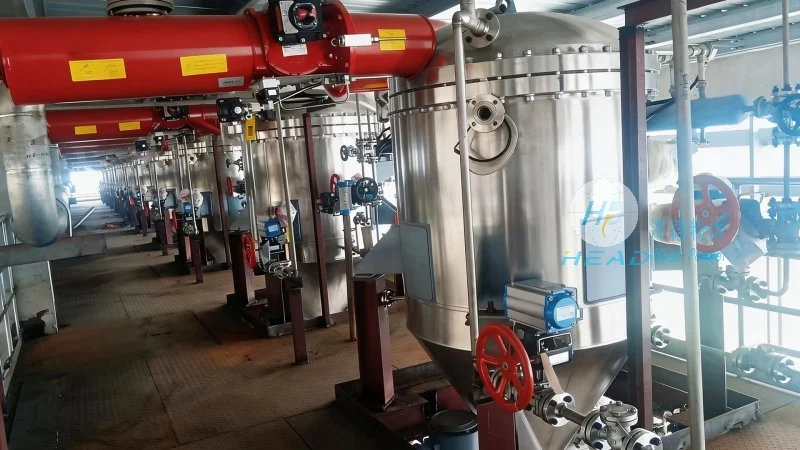
Key Technical Differences and Considerations
When comparing positive and negative pressure systems for zinc oxide powder, several technical aspects must be evaluated. One critical factor is the energy consumption. Positive pressure systems typically consume more energy due to the need for high-pressure air compressors, while negative pressure systems are more energy-efficient but may require more frequent maintenance to prevent clogging. Another consideration is the material's flowability. Fine powders like zinc oxide are more likely to cause blockages in negative pressure systems, necessitating the use of additives or agitators to improve flow. Conversely, positive pressure systems can handle more abrasive materials with less risk of wear on the pipeline.
The system layout also plays a significant role in the choice of mode. Positive pressure systems are better suited for long-distance or multi-point delivery, as the pressure can be maintained throughout the pipeline. Negative pressure systems, on the other hand, are limited by the suction distance and the number of pick-up points, as the vacuum strength diminishes with distance. HeadPowder’s engineers carefully assess the site layout and material flow requirements to recommend the most suitable system. They also consider environmental regulations, as both positive and negative pressure systems must comply with dust emission standards. For instance, in a pharmaceutical plant handling zinc oxide powder, HeadPowder implemented a negative pressure system with advanced filtration to meet stringent environmental compliance requirements.
Application Examples and Case Studies
Real-world applications highlight the effectiveness of both positive and negative pressure systems in zinc oxide powder handling. A case study from a ceramics manufacturer in Shandong, China, involved the installation of a positive pressure system by HeadPowder to transport zinc oxide powder from storage silos to a production line. The system, equipped with a rotary valve and a pulse jet filter, achieved a consistent flow rate of 30 tons per hour over a 300-meter distance, with minimal downtime due to blockages. The positive pressure design ensured that the fine powder was transported without agglomeration, maintaining the material's quality for ceramic production.
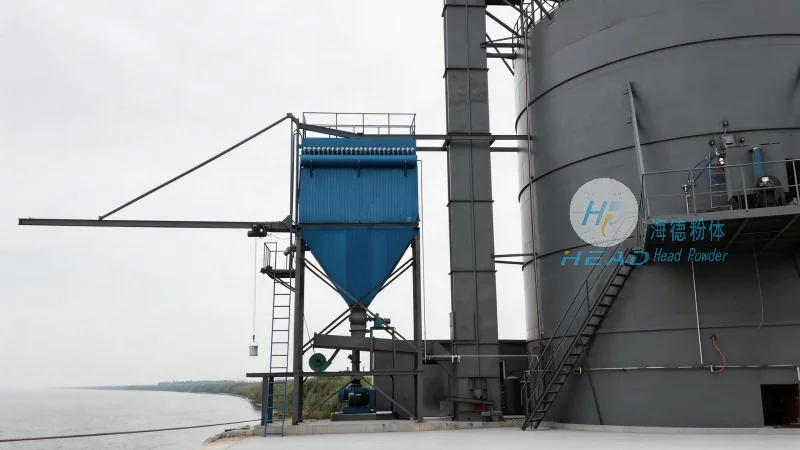
In another scenario, a rubber tire manufacturer used a negative pressure system to collect zinc oxide powder from a production line and transport it to a central blending unit. The system, featuring a vacuum pump and a cyclone separator, successfully handled 20 tons of powder per hour over a 200-meter distance. The negative pressure approach minimized dust emissions and ensured that the powder was collected efficiently from multiple points on the production line. HeadPowder's expertise in both system types allowed them to tailor the solution to the specific needs of each client, demonstrating the versatility of their pneumatic conveying technology.
Conclusion and Recommendations
Choosing between positive and negative pressure pneumatic conveying systems for zinc oxide powder requires a thorough analysis of operational needs, material properties, and system constraints. Positive pressure systems offer flexibility and high throughput for long-distance or multi-point delivery, while negative pressure systems provide energy efficiency and effective dust control for shorter distances or single-source applications. HeadPowder, with its extensive experience in pneumatic conveying solutions, offers customized designs that optimize performance and reliability for zinc oxide powder handling. By considering factors such as material flowability, system layout, and energy consumption, industries can select the most suitable conveying mode to enhance productivity and safety. For companies in Shandong, China, and beyond, HeadPowder Engineering Co., Ltd. stands as a trusted partner in implementing efficient and effective pneumatic conveying systems for zinc oxide powder applications.