

Technical Analysis of Cement Dry Powder Pneumatic Conveying Systems: Comparison of Positive Pressure
HeadPowder, a leading engineering company based in Shandong, China, specializes in the design, manufacturing, and installation of advanced cement dry powder pneumatic conveying systems. These systems are crucial for efficient and reliable transportation of cement and other dry powders in industrial applications, offering solutions that enhance productivity and reduce operational costs.
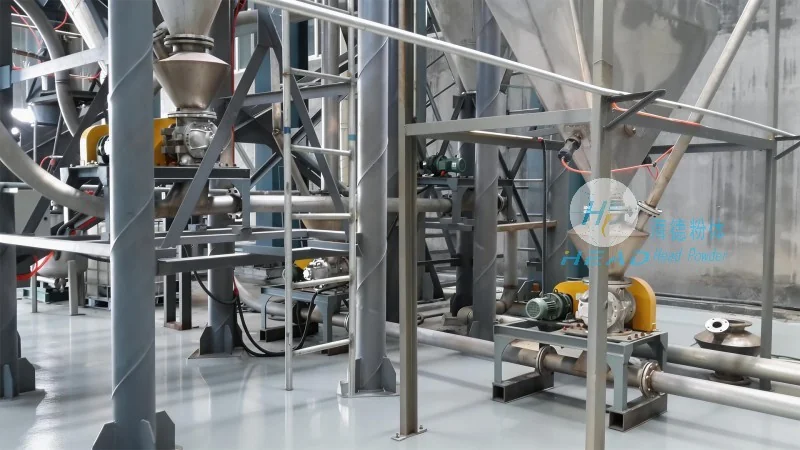
Understanding Pneumatic Conveying Systems for Cement Dry Powders
Pneumatic conveying systems utilize air or gas to transport dry powders like cement through a pipeline network. This technology eliminates the need for traditional mechanical conveying methods, such as belt conveyors or bucket elevators, which can be prone to material degradation, contamination, and maintenance issues. The primary goal of these systems is to move bulk materials from a source to a destination with minimal human intervention and maximum efficiency.
Key Components of Cement Dry Powder Pneumatic Conveying Systems
At the core of any pneumatic conveying system are several critical components that work in tandem to ensure smooth operation. These include the material hopper or feeder, which holds the cement and controls the flow rate; the air compressor or blower, which generates the necessary air pressure or vacuum; the pipeline system, which transports the material; and the receiver or discharge hopper, where the cement is deposited. Additionally, filters and cyclones are often integrated to separate the material from the air stream, ensuring clean and dry cement at the destination.
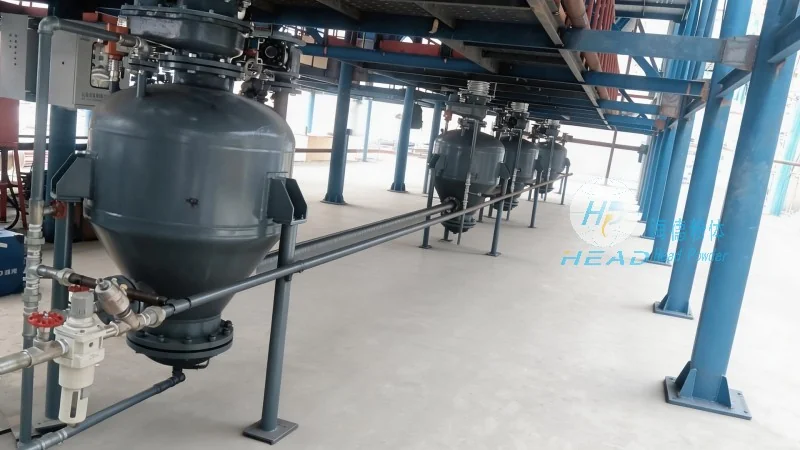
Positive Pressure Conveying Mode: Advantages and Applications
Positive pressure conveying operates by forcing air and material through the pipeline using a blower or compressor. This method is particularly effective for long-distance or high-rise applications, as it can maintain consistent air pressure and material flow. One of the main advantages of positive pressure systems is their ability to handle abrasive materials without causing excessive wear on the equipment. They are also suitable for applications where the material needs to be transported to multiple destinations, as the system can be configured with multiple branches and receivers. However, positive pressure systems may require more energy to operate compared to negative pressure systems, and they can generate higher noise levels.
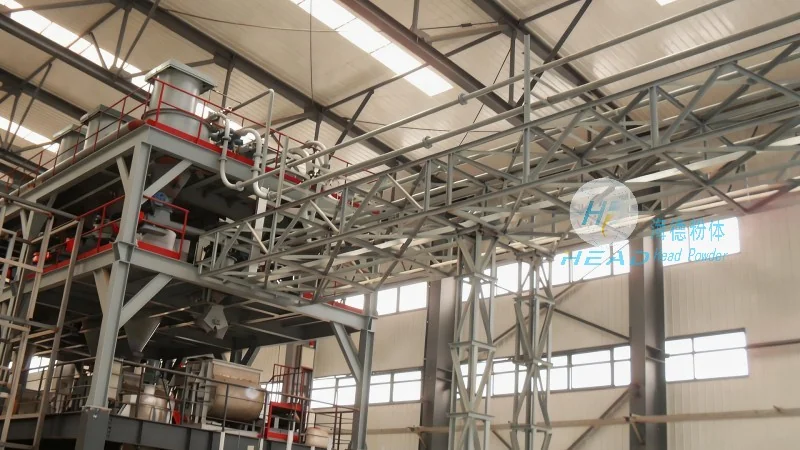
Negative Pressure Conveying Mode: Advantages and Applications
Negative pressure conveying, also known as suction conveying, uses a vacuum pump to draw air and material into the pipeline. This method is ideal for short-distance or low-rise applications, as it can effectively move material from a lower to a higher elevation with less energy consumption. Negative pressure systems are particularly useful for applications where the material is sensitive to pressure changes or where the source and destination are close together. They are also less likely to cause dust emissions compared to positive pressure systems, as the air is drawn into the system rather than expelled. However, negative pressure systems may have limitations in handling highly abrasive or sticky materials, as the vacuum can cause material buildup in the pipeline.
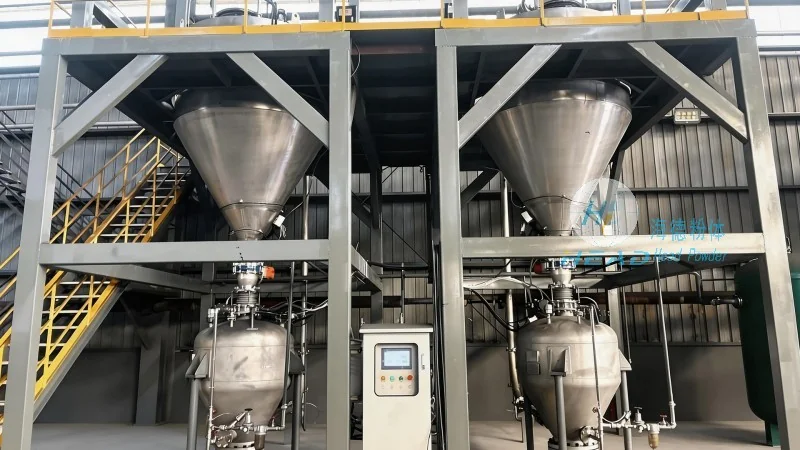
Comparative Analysis: Positive Pressure vs. Negative Pressure Conveying
When selecting a pneumatic conveying system for cement dry powders, it is essential to consider the specific requirements of the application, including the distance, elevation, material properties, and operational constraints. The choice between positive and negative pressure modes depends on several factors, such as the required conveying distance, the height difference between the source and destination, the material's flowability, and the available space for equipment installation. Positive pressure systems are generally more suitable for long-distance or high-rise applications, while negative pressure systems are better for short-distance or low-rise scenarios. Additionally, the energy consumption and noise levels of each system should be evaluated to ensure compliance with environmental regulations and operational efficiency.
HeadPowder's Expertise in Cement Dry Powder Pneumatic Conveying
HeadPowder Engineering Co., Ltd., with its headquarters in Shandong, China, has extensive experience in designing and implementing customized pneumatic conveying solutions for various industrial sectors. The company's team of engineers and technicians works closely with clients to understand their specific needs and develop systems that meet their operational and performance requirements. HeadPowder's solutions are designed to maximize material handling efficiency, minimize downtime, and reduce maintenance costs, ensuring long-term reliability and profitability for clients. The company's commitment to quality and innovation has made it a trusted partner for businesses in the cement and dry powder industries.