

Technical Analysis of Coke and Limestone Powder Pneumatic Conveying Systems: Comparison of Positive
For industries dealing with bulk materials like coke and limestone powder, efficient material handling is crucial for maintaining production efficiency and operational safety. Pneumatic conveying systems offer a solution by transporting these materials through a pipeline using air pressure. This article provides a technical analysis of the two primary delivery modes—positive pressure and negative pressure—used in such systems, focusing on the technical aspects and practical considerations for selecting the appropriate method.
Understanding the Core Concepts of Pneumatic Conveying
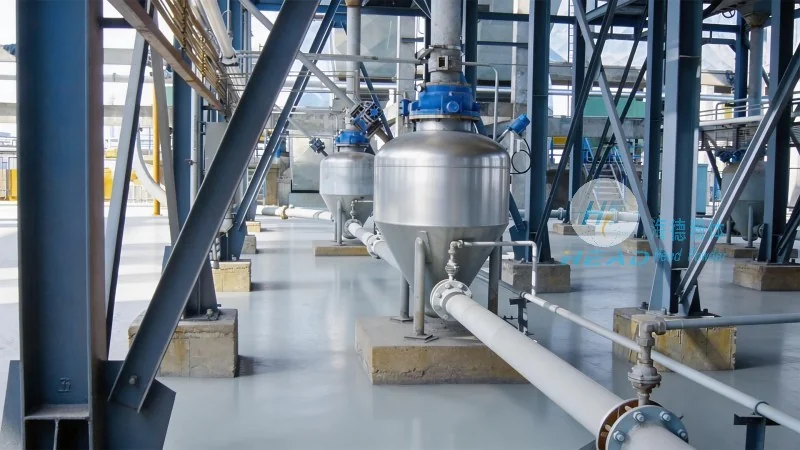
Pneumatic conveying systems operate by moving particulate materials through a pipeline using air. The two main delivery modes are positive pressure and negative pressure. Positive pressure systems use compressed air to generate the necessary force to move material. The system typically consists of a blower or compressor that supplies high-pressure air, which is then mixed with the material in a hopper or feeder. The air-material mixture is then propelled through the pipeline to the destination point. This mode is particularly effective for long-distance and high-capacity applications, as it can maintain consistent material flow and pressure.
Positive Pressure Pneumatic Conveying: Technical Overview
Positive pressure systems are characterized by the use of compressed air to push material through the pipeline. The system typically consists of a blower or compressor that supplies high-pressure air, which is then mixed with the material in a hopper or feeder. The air-material mixture is then propelled through the pipeline to the destination point. This mode is particularly effective for long-distance and high-capacity applications, as it can maintain consistent material flow and pressure.
Key technical aspects of positive pressure systems include the selection of appropriate air velocity and pressure. The air velocity must be high enough to prevent material settling but low enough to avoid excessive wear on the pipeline and equipment. The pressure levels are determined based on the pipeline length, material properties, and desired flow rate. For coke and limestone powder, positive pressure systems are often preferred for their ability to handle abrasive materials and maintain a consistent flow rate, which is critical for downstream processes.
Negative Pressure Pneumatic Conveying: Technical Overview
Negative pressure systems, also known as vacuum conveying, use a vacuum to draw material into the pipeline. The system includes a vacuum pump that creates a low-pressure environment, which pulls material from the source into the pipeline. The material is then transported to the destination, where the air is released and the material is discharged. This mode is commonly used for shorter distances and for materials that are sensitive to high pressure or abrasion.
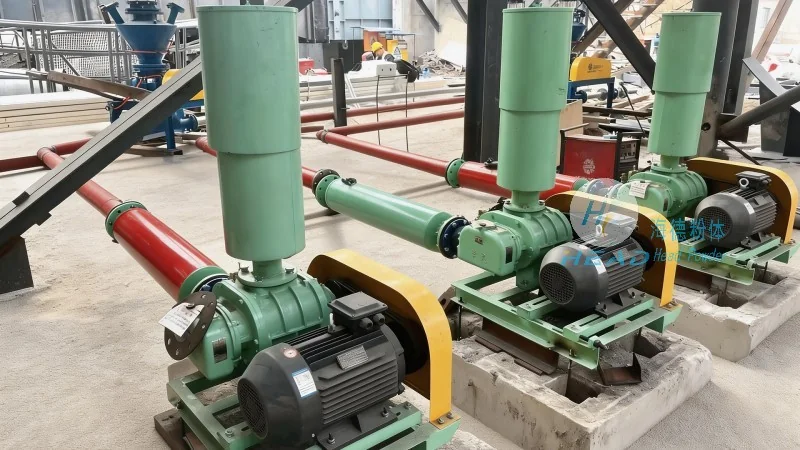
Technical considerations for negative pressure systems focus on the vacuum level, material feed rate, and pipeline design. The vacuum level must be sufficient to overcome the material's resistance to flow and the pipeline's friction. The feed rate is controlled to ensure a consistent material flow and to prevent clogging. For coke and limestone powder, negative pressure systems are often chosen for their gentler handling of fine powders, which can reduce the risk of material degradation and equipment wear.
Comparison of Positive and Negative Pressure Systems for Coke and Limestone Powder
When selecting between positive and negative pressure pneumatic conveying systems for coke and limestone powder, several factors must be considered. The primary differences lie in the pressure environment, material handling characteristics, and operational requirements. Positive pressure systems are generally more suitable for high-capacity, long-distance transport due to their ability to maintain consistent pressure and flow. They are also better equipped to handle abrasive materials and maintain a stable flow rate, which is essential for downstream processing.
On the other hand, negative pressure systems offer advantages in terms of gentler material handling, lower energy consumption for short distances, and reduced risk of material contamination. They are particularly effective for fine powders and materials that are sensitive to high pressure or friction. However, negative pressure systems may be less efficient for long-distance transport and may require more maintenance due to the vacuum components.
Technical Considerations for System Design and Implementation
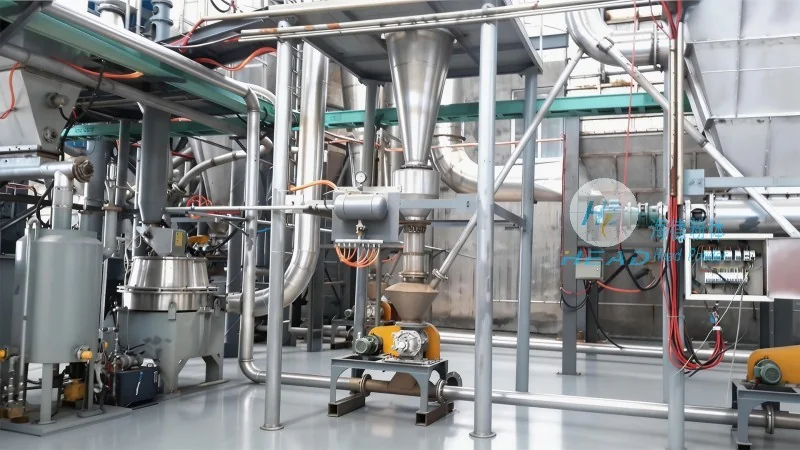
Designing an effective pneumatic conveying system for coke and limestone powder involves careful consideration of several technical factors. The first step is to analyze the material properties, including particle size, density, and abrasiveness. These properties determine the appropriate air velocity, pressure, and pipeline diameter. For example, coke and limestone powders are typically abrasive, which means that the pipeline and equipment must be constructed from materials that can withstand wear, such as stainless steel or special alloys.
Another critical factor is the system layout, including the pipeline length, number of bends, and elevation changes. The layout affects the pressure drop and energy consumption of the system. For positive pressure systems, the pressure drop is primarily due to friction and elevation changes, while for negative pressure systems, it is due to the vacuum level and material resistance. The system design must also account for the required flow rate and the capacity of the downstream equipment.
Control systems are also an important consideration. Modern pneumatic conveying systems use advanced control technologies to monitor and adjust the air pressure, material flow, and system performance. These systems can help optimize the operation, reduce energy consumption, and improve material handling efficiency. For example, variable frequency drives (VFDs) can be used to adjust the blower speed and pressure, while sensors can monitor the material level and flow rate in real time.
Case Study: Application of Pneumatic Conveying Systems by Shandong HeadPowder Engineering Co., Ltd.
Shandong HeadPowder Engineering Co., Ltd., a leading provider of material handling solutions, has extensive experience in designing and implementing pneumatic conveying systems for coke and limestone powder. The company specializes in customizing systems to meet the specific needs of clients, ensuring optimal performance and efficiency. For example, one client required a positive pressure system to transport coke powder over a distance of 500 meters, with a flow rate of 10 tons per hour. The system was designed with a high-pressure blower and a stainless steel pipeline to handle the abrasive material. The system has been in operation for over two years, with minimal maintenance and consistent performance.