

Technical Analysis of Calcium Hydroxide Pneumatic Conveying Systems: Comparison of Positive Pressure
Calcium hydroxide, commonly known as slaked lime, is a widely used chemical in various industrial applications, including construction, water treatment, and chemical manufacturing. Efficient and reliable material handling is crucial for the smooth operation of processes involving calcium hydroxide. Pneumatic conveying systems offer a solution to transport this bulk material from storage to processing units. Shandong HeadPowder Engineering Co., Ltd., a leading provider of engineering solutions for bulk material handling, is headquartered in Shandong, China, and specializes in designing and implementing pneumatic conveying systems tailored to the needs of industrial clients. This article provides a technical analysis of calcium hydroxide pneumatic conveying systems, focusing on the comparison between positive pressure and negative pressure conveying modes.
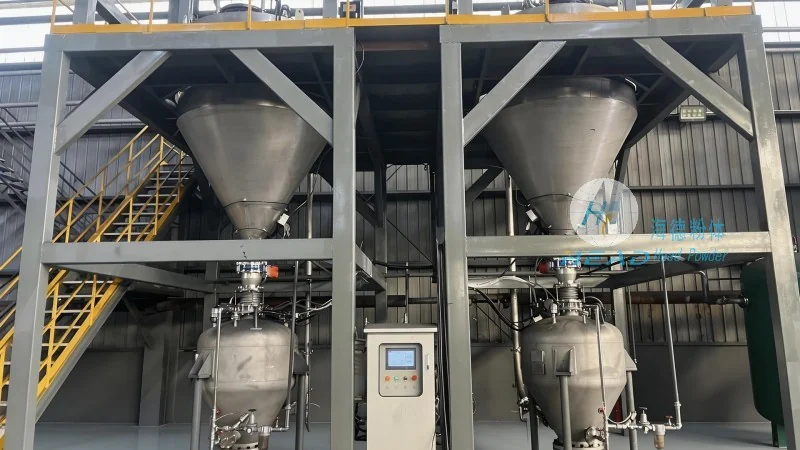
Introduction to Calcium Hydroxide Pneumatic Conveying
Calcium hydroxide is a fine, powdery substance that requires specialized handling due to its dustiness and potential for caking. Traditional methods like bucket elevators or belt conveyors may not be suitable for this material, as they can cause material degradation or blockages. Pneumatic conveying systems use air to transport the material, offering advantages such as reduced contamination, lower maintenance, and the ability to handle fine powders effectively. The choice between positive pressure and negative pressure systems depends on factors like material properties, system layout, and operational requirements.
Positive Pressure Pneumatic Conveying Systems
Positive pressure systems operate by blowing air into the conveying line, creating a pressure higher than the ambient air. This method is suitable for materials that are free-flowing and non-abrasive. In a positive pressure system, the material is fed into the conveying line at the inlet, and the air is introduced to push the material forward. The system typically includes a blower, a hopper for material storage, and a receiver for the material at the destination. The advantages of positive pressure systems include high conveying capacity, ability to handle long distances, and suitability for abrasive materials. However, they may require more energy and can pose safety risks if the system is not properly sealed.
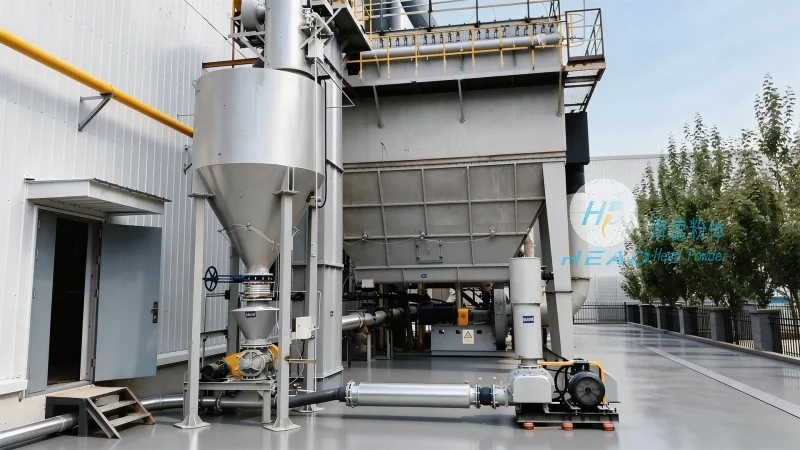
Negative Pressure Pneumatic Conveying Systems
Negative pressure systems, also known as suction systems, operate by creating a vacuum in the conveying line, drawing the material and air mixture into the system. This method is ideal for materials that are dusty or have a tendency to generate dust during handling. The system includes a vacuum pump, a hopper, and a receiver. Negative pressure systems are generally more energy-efficient for short distances and are safer as they do not release high-pressure air into the environment. However, they have limitations in conveying capacity and distance, and may not be suitable for abrasive or heavy materials.
Comparison of Positive Pressure vs. Negative Pressure Conveying Modes
When selecting a pneumatic conveying system for calcium hydroxide, it is essential to compare the characteristics of positive and negative pressure modes. Positive pressure systems offer higher conveying rates and can handle longer distances, making them suitable for large-scale industrial applications. They are also more versatile in handling various material types, including abrasive powders. On the other hand, negative pressure systems are more energy-efficient for shorter distances and are safer for handling dusty materials, reducing the risk of dust exposure and contamination. The choice between the two modes depends on the specific requirements of the application, including material properties, system layout, and operational constraints.
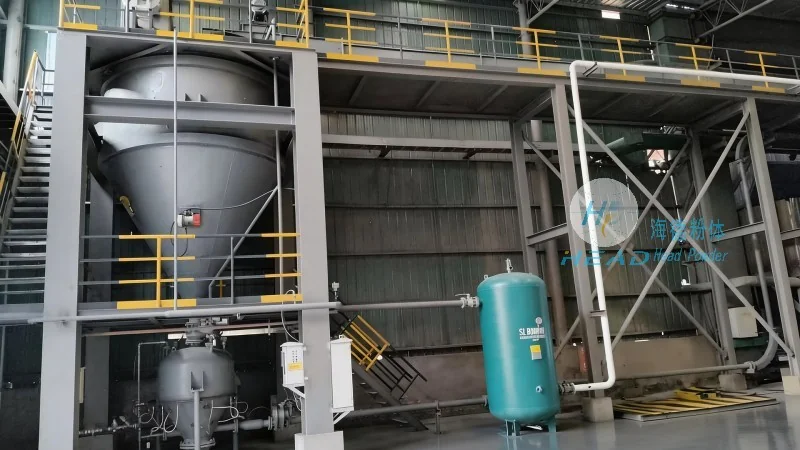
Key Considerations for Calcium Hydroxide Pneumatic Conveying
Several factors must be considered when designing a pneumatic conveying system for calcium hydroxide. First, the material's physical properties, such as particle size, moisture content, and flowability, influence the system's design. For example, fine particles may require a higher air velocity to prevent clogging. Second, the system layout, including the distance between the hopper and the receiver, affects the choice of pressure mode. Longer distances may necessitate positive pressure systems due to their higher conveying capacity. Third, operational considerations, such as maintenance requirements and safety, play a crucial role. Positive pressure systems may require more maintenance due to the higher air pressure, while negative pressure systems may need better dust collection systems to prevent environmental contamination.
Conclusion
Both positive pressure and negative pressure pneumatic conveying systems are viable options for transporting calcium hydroxide. The selection of the appropriate mode depends on the specific needs of the application, including material properties, system layout, and operational requirements. Positive pressure systems are suitable for high-capacity and long-distance conveying, while negative pressure systems are more energy-efficient and safer for shorter distances and dusty materials. By understanding the technical aspects of each mode, industrial facilities can choose the most effective and efficient pneumatic conveying system for their calcium hydroxide handling needs. Shandong HeadPowder Engineering Co., Ltd. provides expert consultation and customized solutions to help clients optimize their calcium hydroxide pneumatic conveying systems, ensuring reliable and cost-effective material transport in industrial operations.