

Technical Analysis of Monosodium Glutamate Pneumatic Conveying Systems: Comparison of Positive Press
For industrial applications involving the transport of monosodium glutamate (MSG), selecting the appropriate pneumatic conveying system is crucial for efficiency, cost-effectiveness, and operational reliability. This article provides a technical analysis of monosodium glutamate pneumatic conveying systems, focusing on the comparison between positive pressure and negative pressure conveying modes. The information is presented by Shandong HeadPowder Engineering Co., Ltd., a leading provider in the field, with a focus on practical insights and technical details relevant to industry professionals.
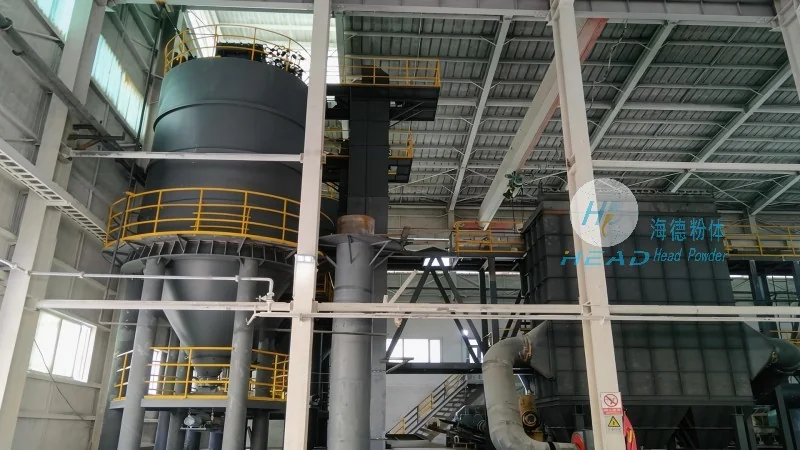
Introduction to Monosodium Glutamate Pneumatic Conveying Systems
Monosodium glutamate, commonly known as MSG, is a widely used flavor enhancer in the food industry. Its handling and transportation require specialized equipment to ensure product integrity and operational safety. Pneumatic conveying systems offer a non-contact method for transporting bulk materials like MSG, which is essential for maintaining product quality and preventing contamination. These systems utilize air or other gases to move the material through a pipeline, and the choice between positive pressure and negative pressure systems depends on various factors including material characteristics, system design, and operational requirements.
Key Components of Pneumatic Conveying Systems
All pneumatic conveying systems, whether positive or negative pressure, consist of several core components. These include a material feed hopper, a conveying line (pipeline), a gas source (air compressor or vacuum pump), and a discharge unit. The material feed hopper is designed to hold the monosodium glutamate and feed it into the system at a controlled rate. The conveying line transports the material and gas mixture to the discharge point. The gas source provides the necessary pressure or vacuum to move the material through the system. The discharge unit collects the material from the end of the pipeline and may include a filter or separator to remove any entrained air or dust.
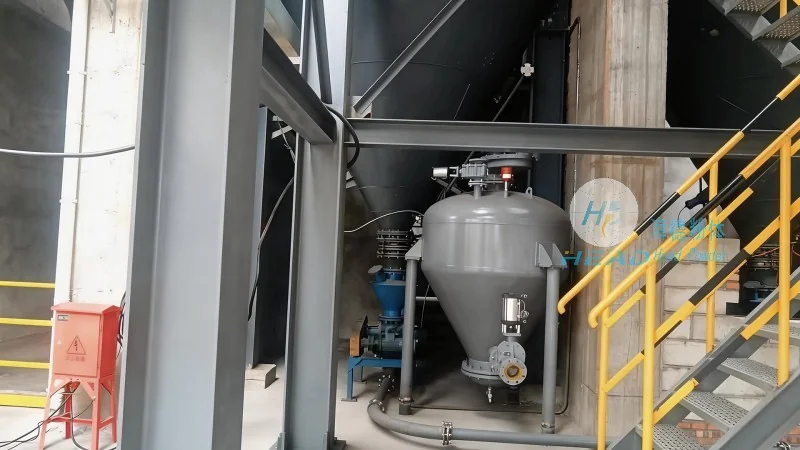
Positive Pressure Conveying Mode: Principles and Applications
Positive pressure conveying systems operate by blowing air or gas into the conveying line, creating a pressure higher than the ambient air pressure. This pressure differential forces the monosodium glutamate particles to move through the pipeline. The system typically includes an air compressor that generates the required pressure, and the material is fed into the system from the hopper. The air and material mixture is then discharged at the end of the line. Positive pressure systems are generally more suitable for long-distance or high-capacity conveying, as they can maintain consistent pressure and flow rates over extended distances. They are also effective for handling materials that are prone to caking or agglomeration, as the high pressure helps to break up clumps and ensure smooth flow.
Negative Pressure Conveying Mode: Principles and Applications
Negative pressure conveying systems, also known as vacuum conveying systems, operate by creating a vacuum in the conveying line, which draws the monosodium glutamate particles into the system. A vacuum pump generates the low pressure, and the material is fed into the system from the hopper. The material is then drawn through the pipeline and discharged at the end. Negative pressure systems are often preferred for shorter distances or when the material needs to be transported from a lower elevation to a higher one. They are also suitable for applications where dust control is critical, as the vacuum helps to capture and contain particles. However, negative pressure systems may be less efficient for long-distance conveying due to the limitations of vacuum technology in maintaining consistent flow rates over extended pipelines.
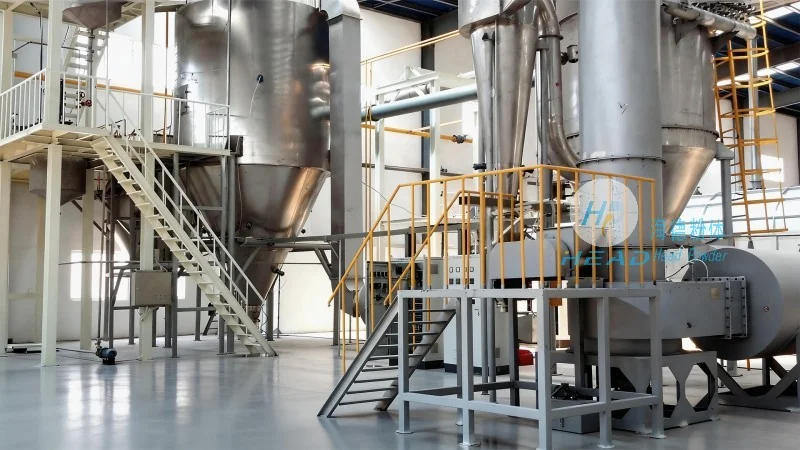
Comparison of Positive and Negative Pressure Conveying Modes
When comparing positive and negative pressure conveying modes for monosodium glutamate, several factors must be considered. Positive pressure systems generally offer higher conveying capacities and are more suitable for long-distance transport, making them ideal for large-scale industrial operations. They also provide better control over the material flow and can handle a wider range of material characteristics, including those that are prone to caking or agglomeration. On the other hand, negative pressure systems are more energy-efficient for short distances and are better at controlling dust and maintaining product purity, especially in applications where the material is sensitive to high pressure or temperature. The choice between the two modes depends on the specific requirements of the operation, including the distance to be covered, the material characteristics, and the desired level of control over the conveying process.
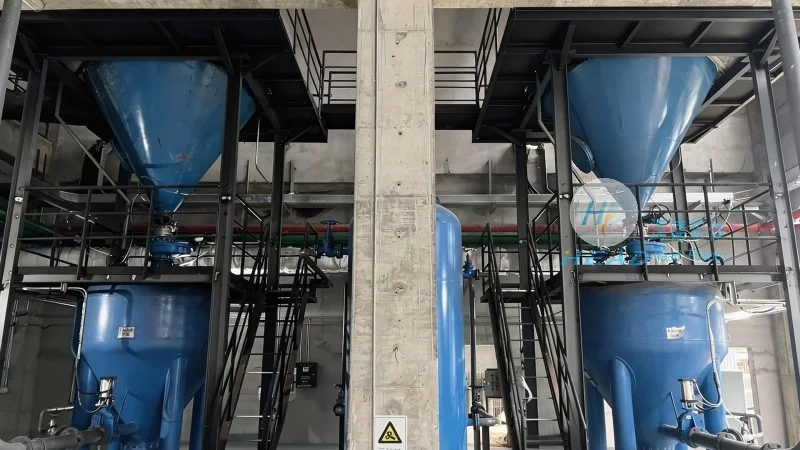
Operational Considerations and Best Practices
Regardless of the conveying mode chosen, proper operation and maintenance are essential for optimal performance and longevity of the system. Regular cleaning of the conveying line and components is necessary to prevent material buildup and clogging, which can reduce efficiency and increase maintenance costs. The air or gas source should be maintained at the correct pressure or vacuum level to ensure consistent flow rates. Additionally, monitoring the system for any signs of wear or damage, such as leaks or blockages, is crucial for preventing downtime and ensuring product quality. Proper training of operators on the system's operation and maintenance procedures is also important to maximize the system's performance and lifespan.
Conclusion
Monosodium glutamate pneumatic conveying systems, whether using positive or negative pressure modes, offer efficient and effective solutions for transporting bulk materials in the food industry. The choice between the two modes depends on the specific operational requirements, including distance, material characteristics, and control needs. By understanding the principles and applications of each mode, industry professionals can select the most appropriate system for their needs, ensuring optimal performance, cost-effectiveness, and product quality. Shandong HeadPowder Engineering Co., Ltd. specializes in the design, manufacturing, and installation of such systems, providing tailored solutions to meet the diverse needs of the industry.