

Technical Analysis of Foam Plastic Pneumatic Conveying Systems: Comparison of Positive Pressure and
For industrial applications involving the handling of foam plastics, selecting the appropriate pneumatic conveying system is crucial for efficiency, cost-effectiveness, and operational safety. Pneumatic conveying systems utilize air or gas to transport bulk materials through a pipeline network. In the context of foam plastic materials, two primary modes are widely adopted: positive pressure and negative pressure systems. This article provides a technical analysis of these two modes, focusing on their operational principles, advantages, disadvantages, and suitable applications, with a particular emphasis on the unique characteristics of foam plastics.
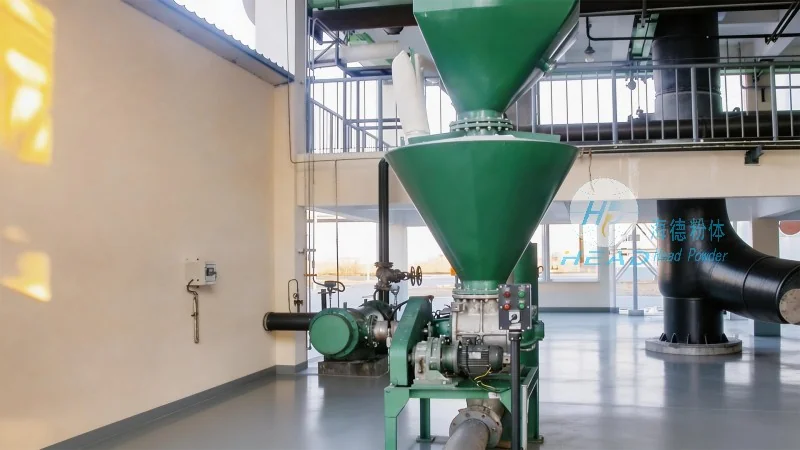
Introduction to Pneumatic Conveying Systems for Foam Plastics
Pneumatic conveying is a method of transporting bulk materials by using air or gas as the conveying medium. This technology is widely used in various industries, including plastics processing, where foam plastics are handled due to their lightweight, low density, and often abrasive or fragile nature. The choice between positive pressure and negative pressure systems depends on several factors, including material properties, system layout, required throughput, and environmental considerations. Understanding the technical nuances of each mode is essential for optimizing material handling processes in foam plastic production and processing facilities.
Positive Pressure Pneumatic Conveying Systems
Positive pressure systems operate by generating high-pressure air or gas at the material loading point and transporting it through the pipeline to the discharge point. The entire system is under positive pressure, meaning the pressure inside the pipeline is higher than the ambient atmospheric pressure. This mode is particularly effective for conveying materials that are prone to segregation, bridging, or caking, as the high pressure helps to maintain a consistent flow and prevent material buildup. In the case of foam plastics, positive pressure systems can handle materials with higher moisture content or those that are more prone to dust generation, as the pressurized air helps to keep the material suspended and moving through the pipeline.
One of the key advantages of positive pressure systems is their ability to handle long conveying distances and complex system layouts. The high pressure ensures that the material is continuously propelled forward, reducing the risk of blockages or stagnation. Additionally, positive pressure systems are generally more robust and can handle a wider range of material types, including those with higher particle sizes or irregular shapes. However, these systems require more powerful air compressors and higher energy consumption compared to negative pressure systems. The increased pressure also necessitates more robust pipeline materials and components to withstand the higher internal pressures, which can increase the initial capital investment and maintenance costs.
Negative Pressure Pneumatic Conveying Systems
Negative pressure systems, also known as suction or vacuum systems, operate by creating a low-pressure environment at the discharge point and drawing material into the pipeline using a vacuum pump. The material is then transported to the loading point where it is released. The entire system is under negative pressure relative to the ambient atmosphere, meaning the pressure inside the pipeline is lower than the outside. This mode is particularly suitable for applications where the material is to be collected from a source and transported to a processing or storage area, such as in the collection of foam plastic waste or the transfer of materials from a hopper to a processing unit.
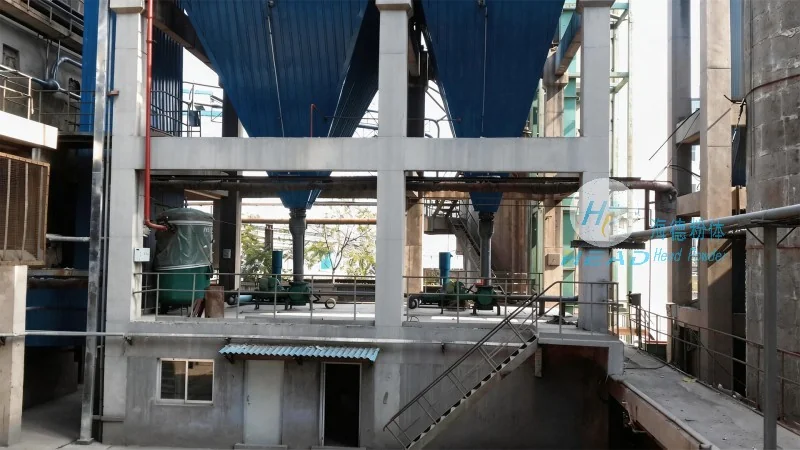
A major advantage of negative pressure systems is their lower energy consumption compared to positive pressure systems. The vacuum pump operates at a lower pressure, reducing the overall energy requirements. Additionally, negative pressure systems are generally less expensive to install and maintain, as they do not require high-pressure air compressors or robust pipeline materials. The lower pressure also reduces the risk of material leakage or spillage, making them more suitable for handling materials that are sensitive to contamination or for applications where environmental control is critical. However, negative pressure systems have limitations in terms of conveying distance and material handling capacity. The suction force is limited by the vacuum pump's capacity, and long distances or high material loads can lead to reduced conveying efficiency or even system failure. Furthermore, negative pressure systems are more susceptible to blockages and material buildup, as the low pressure may not be sufficient to maintain a consistent flow, especially for materials with high moisture content or those that tend to stick to the pipeline walls.
Comparison of Positive and Negative Pressure Systems for Foam Plastics
When comparing positive and negative pressure systems for foam plastic handling, several factors must be considered to determine the most suitable option. The primary considerations include material properties, system layout, conveying distance, and operational requirements. For example, if the foam plastic material is lightweight, has a high moisture content, or is prone to dust generation, a positive pressure system may be more effective due to its ability to maintain consistent flow and prevent material buildup. Conversely, if the application involves collecting materials from a source and transporting them over short distances, a negative pressure system may be more cost-effective and energy-efficient.
Another critical factor is the system layout and the presence of obstacles or changes in elevation. Positive pressure systems are better suited for applications with complex layouts or where the material needs to be conveyed over long distances or through multiple bends and changes in elevation. The high pressure ensures that the material can overcome these obstacles and maintain a consistent flow. Negative pressure systems, on the other hand, are more suitable for applications with simpler layouts and shorter conveying distances, as the suction force may not be sufficient to handle complex system configurations.
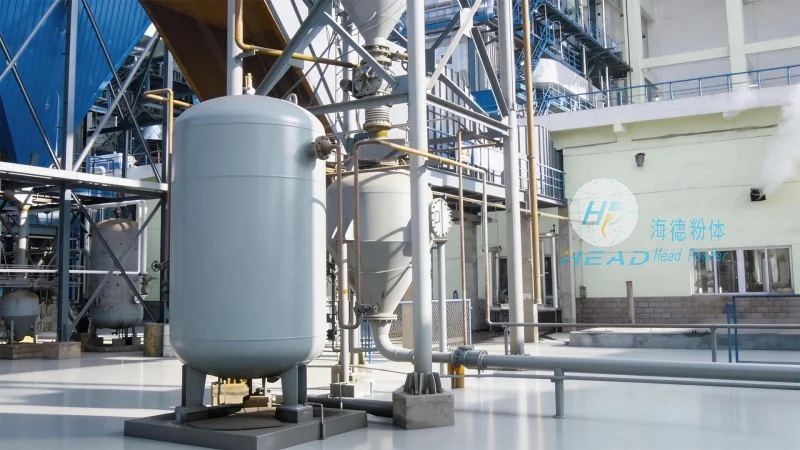
Operational requirements, such as throughput and material handling capacity, also play a significant role in the system selection. Positive pressure systems can handle higher throughput and larger material loads due to their higher pressure and more robust design. This makes them ideal for high-volume production lines where foam plastics are processed in large quantities. Negative pressure systems, while less capable in terms of throughput, are more suitable for low to medium volume applications or for handling materials that require gentle handling to prevent damage.
Key Considerations for Selecting the Right System
Choosing between positive and negative pressure pneumatic conveying systems for foam plastics requires a thorough analysis of the specific application requirements. The following factors should be evaluated to ensure the optimal system selection:
1. **Material Properties**: The density, moisture content, particle size, and flow characteristics of the foam plastic material are critical. Materials with high moisture content or those that are prone to dust generation may benefit from positive pressure systems, while materials that are lightweight and require gentle handling may be better suited for negative pressure systems.
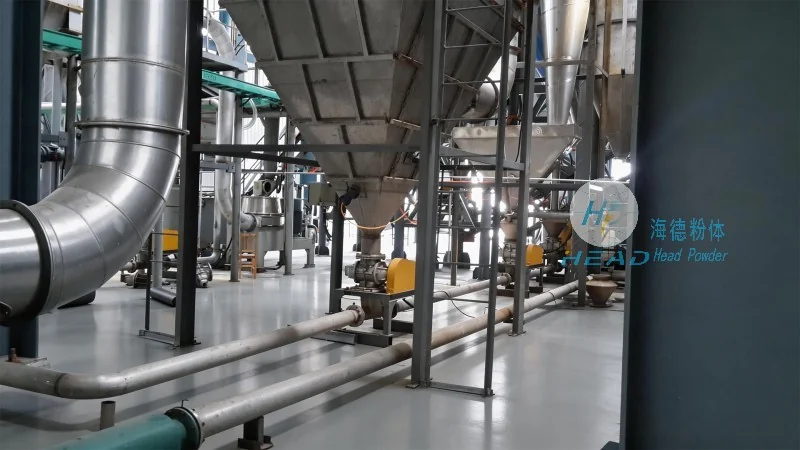
2. **Conveying Distance and Layout**: The distance between the loading and discharge points, as well as the complexity of the system layout (e.g., number of bends, changes in elevation), will influence the choice of system. Positive pressure systems are generally more suitable for longer distances and complex layouts, while negative pressure systems are better for shorter distances and simpler layouts.
3. **Energy Efficiency and Cost**: The energy consumption and initial investment costs of the system are important considerations. Negative pressure systems typically have lower energy consumption and lower initial costs, making them more economical for certain applications. Positive pressure systems, while more expensive to operate, may offer better long-term efficiency and reliability for high-volume operations.
4. **Environmental and Safety Requirements**: The need to control dust, prevent material spillage, or comply with environmental regulations may dictate the system choice. Positive pressure systems can help contain dust and prevent leakage, while negative pressure systems may require additional filtration and containment measures.
Conclusion
In conclusion, both positive pressure and negative pressure pneumatic conveying systems offer viable solutions for handling foam plastics, each with its own set of advantages and limitations. The selection of the appropriate system depends on a careful evaluation of material properties, system layout, conveying distance, energy efficiency, and operational requirements. By understanding the technical principles and performance characteristics of each mode, industrial facilities can optimize their material handling processes, improve operational efficiency, and reduce costs. For companies specializing in foam plastic processing, such as Shandong HeadPowder Engineering Co., Ltd., which is based in China, the expertise in designing and implementing these systems is crucial for meeting the diverse needs of the industry.