

Technical Analysis of Cement Raw Material Pneumatic Conveying Systems: Comparison of Positive Pressu
For cement production plants, the efficient and reliable transportation of raw materials is a critical factor in ensuring production stability and cost-effectiveness. Pneumatic conveying systems have become a mainstream solution for this purpose, offering advantages such as low energy consumption, minimal material degradation, and flexible installation. Among the various pneumatic conveying technologies, positive pressure and negative pressure systems are the two primary modes. This article provides a technical analysis of these two modes, focusing on their operational principles, advantages, and application scenarios, to help users make informed decisions when selecting a suitable system.
Overview of Positive Pressure Pneumatic Conveying
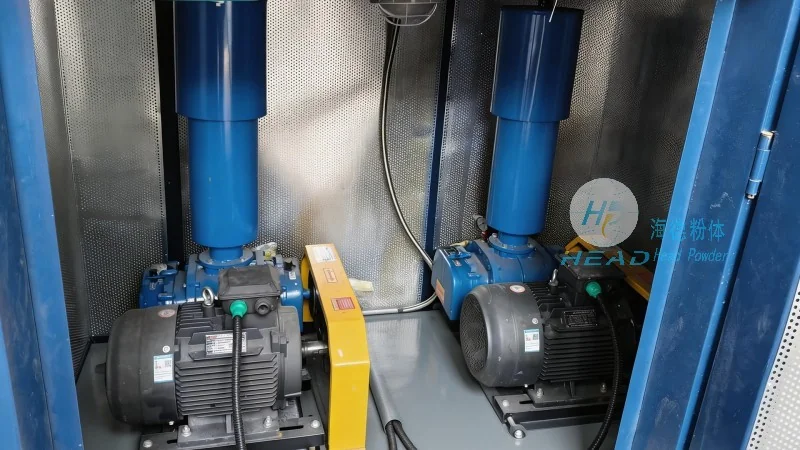
Positive pressure pneumatic conveying systems operate by blowing air or gas into the material conveying pipeline under pressure. The system typically includes a blower, a material feeder, a conveying pipeline, and a receiving hopper. The working principle is that the high-pressure air pushes the material forward along the pipeline, ensuring that the material is continuously transported to the destination. This mode is particularly suitable for long-distance, large-scale material transportation, as it can maintain a stable conveying flow and effectively prevent material clogging. The positive pressure system is widely used in the cement industry for conveying raw materials such as limestone, clay, and iron ore from storage silos to the preheater or kiln.
Key Advantages of Positive Pressure Systems
Positive pressure pneumatic conveying systems offer several advantages that make them a preferred choice for many cement plants. Firstly, they provide high conveying efficiency, with the ability to transport large volumes of material over long distances without significant pressure loss. Secondly, the system is relatively simple in structure and easy to maintain, as the main components are the blower and the conveying pipeline, with fewer moving parts compared to other systems. Thirdly, positive pressure systems can handle a wide range of materials, including powders, granules, and even bulk materials, with minimal degradation. Additionally, the system can be easily integrated with existing production lines, reducing the need for major infrastructure changes. However, it is important to note that positive pressure systems require a robust air filtration system to prevent dust from entering the environment, which adds to the operational costs.
Overview of Negative Pressure Pneumatic Conveying
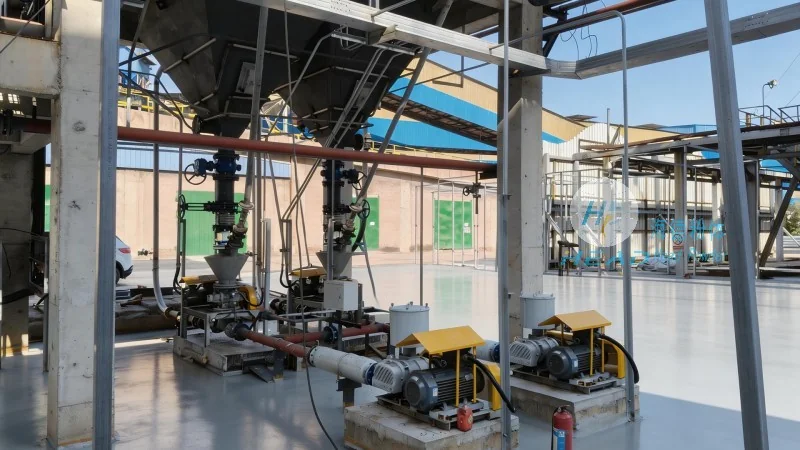
Negative pressure pneumatic conveying systems, also known as suction systems, operate by creating a low-pressure environment in the conveying pipeline. The system draws material from the source using a vacuum pump or fan, and then transports it to the destination. The material is carried by the air flow generated by the vacuum, and the air is then filtered and released back into the environment. This mode is commonly used for short-distance or medium-distance material transportation, especially when the material needs to be conveyed from a low-level source to a higher-level destination. Negative pressure systems are particularly suitable for applications where the material is sensitive to pressure or where the environment requires strict dust control.
Key Advantages of Negative Pressure Systems
Negative pressure pneumatic conveying systems have their own set of advantages that make them suitable for specific applications. One of the main advantages is the ability to handle materials with high moisture content or those that are prone to caking, as the low-pressure environment reduces the risk of material agglomeration. Secondly, the system is less likely to cause dust pollution compared to positive pressure systems, as the air is drawn into the system rather than being expelled. This makes negative pressure systems more environmentally friendly and suitable for applications in enclosed spaces or where dust control is a priority. Thirdly, negative pressure systems can be used for both horizontal and vertical transportation, providing flexibility in plant layout. However, the main drawback of negative pressure systems is their lower conveying capacity compared to positive pressure systems, as the vacuum pressure is limited by the suction capacity of the pump. This may require more frequent maintenance and higher energy consumption for long-distance transportation.
Comparison of Positive and Negative Pressure Systems
When comparing positive and negative pressure pneumatic conveying systems, several factors need to be considered, including the distance of transportation, the material characteristics, the environmental requirements, and the overall cost. Positive pressure systems are generally more suitable for long-distance, large-scale material transportation, as they can maintain a stable flow and handle high material volumes. They are also more cost-effective for long-term operation due to lower energy consumption per unit of material. On the other hand, negative pressure systems are better suited for short-distance or medium-distance transportation, especially for materials that require strict dust control or are sensitive to pressure. They are also more suitable for applications where the material is stored in low-level silos and needs to be transported to higher-level equipment.
Application Scenarios in Cement Production
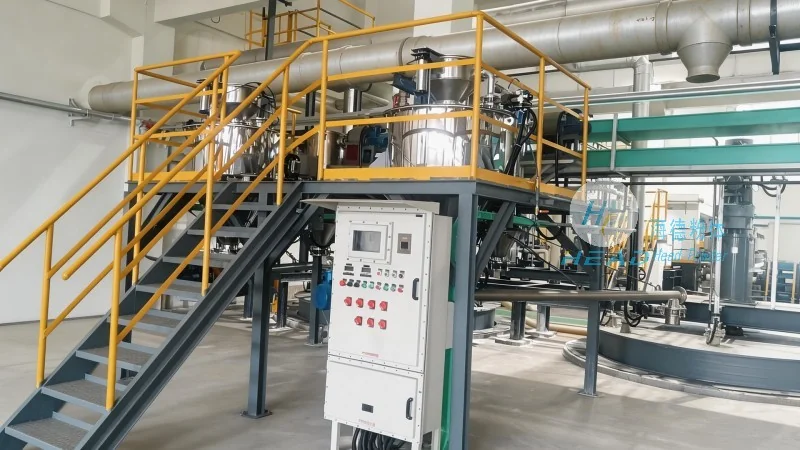
In the cement production process, both positive and negative pressure pneumatic conveying systems are widely used, depending on the specific requirements of each stage. For example, positive pressure systems are commonly used for conveying raw materials from the raw material storage silos to the preheater and kiln, as the distance is typically long and the material volume is large. Negative pressure systems may be used for conveying materials from the raw mill or clinker cooler to the storage silos, especially when the material is hot and needs to be transported to a higher level. The choice of system also depends on the plant layout and the existing infrastructure. For instance, if the plant has existing positive pressure systems, it may be more cost-effective to expand the system rather than installing a new negative pressure system.
Conclusion
Both positive pressure and negative pressure pneumatic conveying systems are effective solutions for cement raw material transportation, each with its own advantages and limitations. Positive pressure systems are more suitable for long-distance, large-scale transportation with high efficiency and low energy consumption, while negative pressure systems are better for short-distance or medium-distance transportation, especially for materials that require strict dust control or are sensitive to pressure. When selecting a system, it is important to consider the specific requirements of the cement plant, including the material characteristics, transportation distance, and environmental regulations. By understanding the technical differences and application scenarios of these two modes, cement producers can choose the most appropriate pneumatic conveying system to ensure efficient and reliable production.