

Technical Analysis of Glass-Blasted Beads Pneumatic Conveying Systems: A Comparison of Positive and
Glass-blasted beads, also referred to as expanded glass microspheres, are a lightweight, inorganic insulating material characterized by their high thermal resistance and low density. These properties make them ideal for use in construction, industrial coatings, and other applications where thermal insulation and lightweight construction are required. Pneumatic conveying systems are a critical component in the handling of these fine particles, as they enable efficient and safe transport from production to processing or storage facilities. This technical analysis focuses on the two primary conveying modes—positive pressure and negative pressure systems—and compares their performance, advantages, and limitations in the context of glass-blasted beads transport.
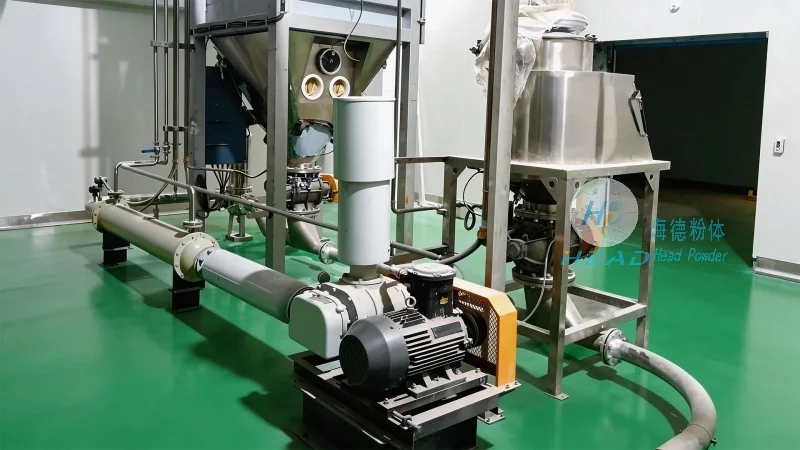
About Shandong HeadPowder Engineering Co., Ltd.
Shandong HeadPowder Engineering Co., Ltd. is a reputable company specializing in the design, manufacturing, and installation of pneumatic conveying systems. HeadPowder, as the company is commonly known, has been serving the industry for years with a commitment to quality and innovation. The company’s headquarters is situated in Shandong, China, where it operates advanced manufacturing facilities and research centers. With a team of experienced engineers and technicians, HeadPowder provides customized solutions tailored to the specific needs of clients, ensuring reliable and efficient material handling. The company’s products are widely used in various industries, including construction, chemical, and food processing, and are recognized for their durability and performance.
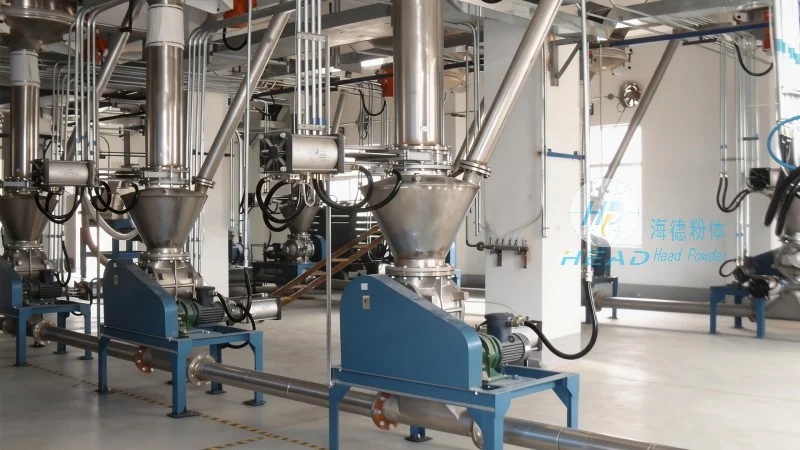
Positive Pressure Conveying Mode: Technical Details and Advantages
Positive pressure conveying systems operate by forcing air or a carrier gas into the conveying line, maintaining a pressure higher than the ambient air pressure. This method is effective for transporting glass-blasted beads over distances of up to several hundred meters and through complex piping networks. The system typically includes a blower, a hopper for material storage, and a series of pipes with appropriate fittings and valves. The high pressure ensures that the material is conveyed at a consistent velocity, reducing the risk of clogging. One of the key advantages of positive pressure systems is their ability to handle abrasive materials without significant wear on the equipment. The pressure also helps to maintain the material’s flow characteristics, ensuring a stable and continuous transport process. However, these systems require more energy to operate compared to negative pressure systems, as they need to overcome the pressure difference and maintain the flow. Additionally, positive pressure systems may generate more noise and require better sealing to prevent air leakage, which can affect the material’s quality and the working environment.
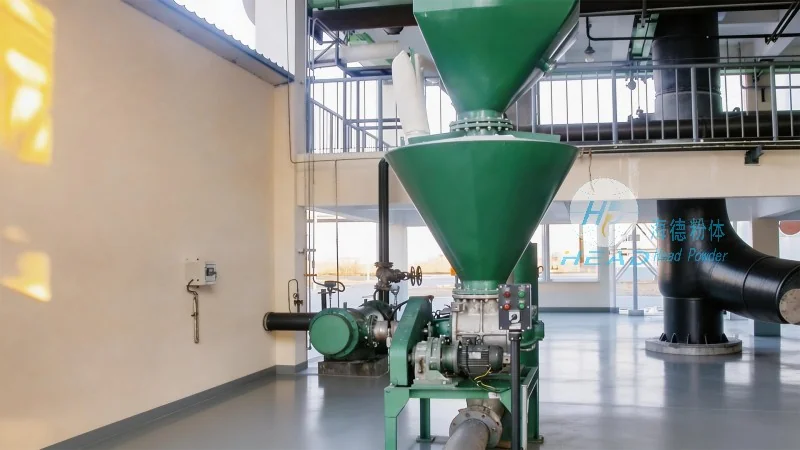
Negative Pressure Conveying Mode: Technical Details and Advantages
Negative pressure conveying systems, also known as suction systems, work by creating a vacuum in the conveying line, drawing the material from the source into the system. This approach is suitable for short-distance transport, typically up to 50-100 meters, and is often used in applications where the material is generated at a point and needs to be collected centrally. The system consists of a vacuum pump, a hopper, and a suction pipe that connects to the material source. The vacuum created pulls the material into the pipe, where it is then transported to the destination. The main advantage of negative pressure systems is their lower energy consumption and reduced noise levels compared to positive pressure systems. They are also less likely to cause dust emissions, making them ideal for indoor or environmentally sensitive applications. However, negative pressure systems have limitations in terms of material handling capacity and conveying distance. The vacuum can cause the material to stick to the pipe walls, leading to blockages and requiring more frequent maintenance. The system also needs to be designed carefully to prevent dust accumulation in the suction line, which can affect the pump’s performance and the overall efficiency.
Key Factors Influencing the Choice of Conveying Mode
The selection between positive and negative pressure conveying modes for glass-blasted beads depends on several critical factors. The first factor is the distance of transport: positive pressure systems are preferred for long distances due to their ability to maintain pressure and flow, while negative pressure systems are suitable for short distances. The second factor is the volume of material: positive pressure systems can handle higher volumes, making them ideal for large-scale production, whereas negative pressure systems are better for smaller volumes or intermittent transport. The third factor is the complexity of the piping layout: positive pressure systems can accommodate more complex networks, including vertical and horizontal changes, while negative pressure systems are limited to simpler layouts. The fourth factor is environmental considerations: negative pressure systems are better for indoor use or applications where dust control is essential, as they minimize emissions. The fifth factor is operational costs: negative pressure systems generally have lower energy consumption and maintenance costs, while positive pressure systems may require more frequent maintenance and higher energy input. By evaluating these factors, users can choose the most appropriate conveying mode that meets their specific operational requirements and ensures efficient and reliable transport of glass-blasted beads.
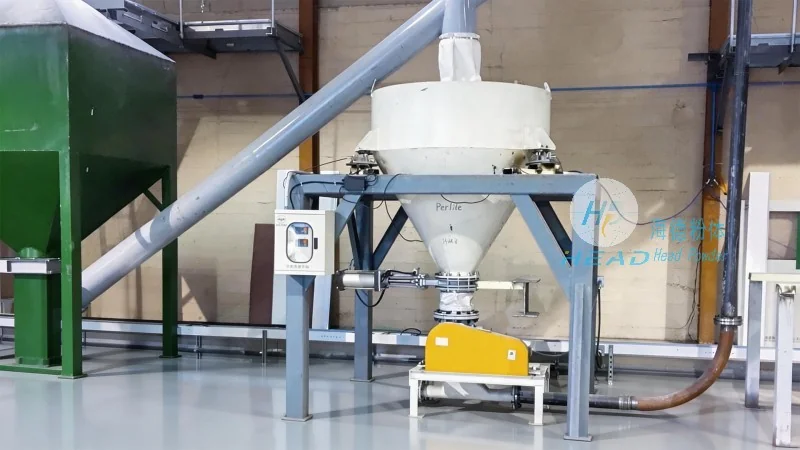
Conclusion: Balancing Performance and Practicality
In conclusion, both positive and negative pressure pneumatic conveying systems offer viable solutions for transporting glass-blasted beads, each with its own set of advantages and limitations. Positive pressure systems excel in long-distance, high-volume applications, providing consistent flow and better control over material handling. Negative pressure systems, on the other hand, are more suitable for short-distance, low-volume applications where noise and dust control are critical. The choice between the two modes should be based on a thorough analysis of the operational needs, including the distance of transport, material volume, piping complexity, and environmental requirements. Shandong HeadPowder Engineering Co., Ltd. provides customized solutions that cater to these diverse needs, ensuring that clients can select the most efficient and reliable system for their glass-blasted beads handling requirements. By understanding the technical aspects of each conveying mode, users can make informed decisions that optimize performance, reduce costs, and enhance the overall efficiency of their material transport processes.