

Technical Analysis of Algae Residue Particle Pneumatic Conveying Systems: Comparison of Positive Pre
HeadPowder, a leading provider of pneumatic conveying solutions, specializes in advanced systems for handling and transporting algae residue particles. With a strong presence in Shandong, China, the company has developed cutting-edge technologies tailored to the unique challenges of processing marine biomass byproducts. This article provides a technical analysis of the key differences between positive pressure and negative pressure conveying modes for algae residue, offering insights into system design, operational efficiency, and application suitability.
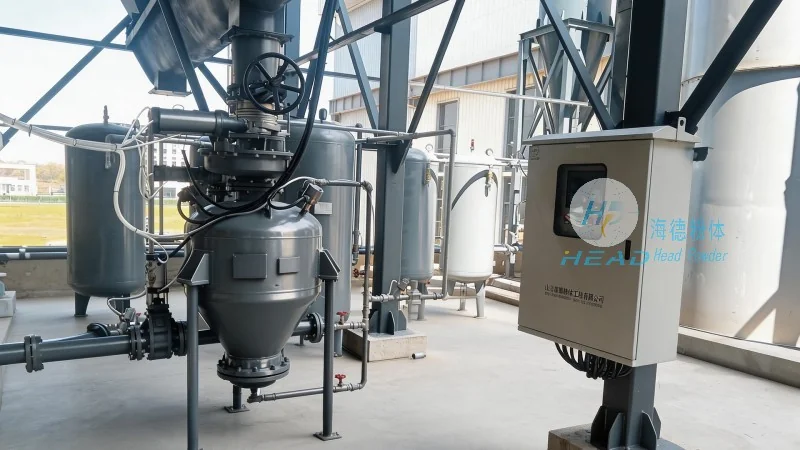
About HeadPowder: Pioneering Pneumatic Conveying Solutions
HeadPowder, operating as Shandong HeadPowder Engineering Co., Ltd., is dedicated to delivering innovative pneumatic conveying technologies. The company’s expertise lies in designing and manufacturing systems that efficiently handle fine to medium-sized particles, such as those derived from algae processing. Based in Shandong, China, HeadPowder leverages local manufacturing capabilities and industry knowledge to meet the evolving demands of clients in the renewable energy and waste management sectors. The company’s commitment to quality and performance has established it as a trusted partner for pneumatic conveying solutions.
Technical Analysis of Algae Residue Pneumatic Conveying Systems
Algae residue, a byproduct of various biofuel and bioproduct extraction processes, presents unique challenges in material handling due to its granular nature and potential moisture content. Pneumatic conveying systems offer an effective solution by utilizing air to transport particles through pipelines, eliminating the need for mechanical components like belts or buckets. For algae residue, the choice between positive pressure and negative pressure systems depends on factors including particle size, flow rate requirements, system layout, and operational safety considerations. This analysis examines the technical aspects of both modes to help users select the most appropriate system for their specific applications.
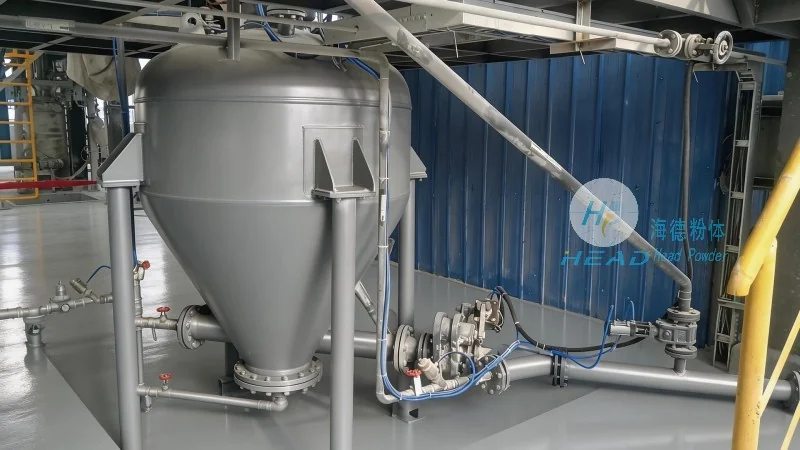
Comparison of Positive Pressure and Negative Pressure Conveying Modes
Positive pressure conveying systems operate by blowing air into the pipeline, creating a pressure higher than the ambient environment. This method is particularly effective for transporting fine particles that are prone to dusting or clogging. The system typically uses a blower or compressor to generate the necessary pressure, and the material is carried by the air stream. In contrast, negative pressure systems draw air out of the pipeline, creating a vacuum that pulls the material through the system. This approach is often preferred for applications where dust control is critical, as the system operates under a lower pressure environment.
Key technical differences between the two modes include pressure requirements, air flow rates, and system complexity. Positive pressure systems generally require higher air pressures (typically 5-15 bar) and higher air-to-material ratios to ensure efficient transport. Negative pressure systems, on the other hand, operate at lower pressures (often 0.5-2 bar) and may use lower air-to-material ratios, which can reduce energy consumption. However, negative pressure systems are more susceptible to air leakage and require careful sealing to maintain the vacuum. The choice of mode also impacts system maintenance, as positive pressure systems may experience more wear on components due to higher pressure and particle impact.
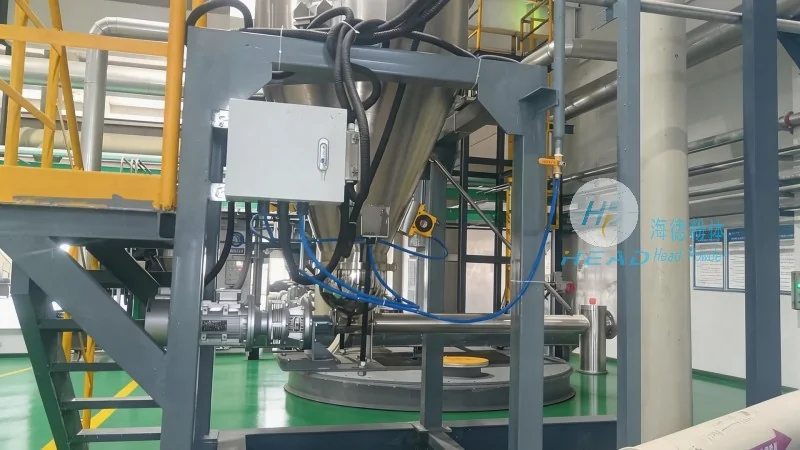
Algae Residue Particle Pneumatic Conveying Systems
HeadPowder’s algae residue particle pneumatic conveying systems are engineered to handle the specific characteristics of algae byproducts. The systems are designed with robust materials to resist corrosion and abrasion, ensuring long-term durability in marine biomass processing environments. Key components include high-efficiency blowers, flexible hose connections, and specialized pipeline designs that minimize particle degradation and air loss. The company’s engineers tailor system configurations to match the particle size distribution, moisture content, and flow rates of the algae residue, optimizing performance and reducing operational costs. For example, a positive pressure system might be selected for high-volume transport of coarse algae particles, while a negative pressure system could be preferred for fine, dust-prone residues requiring stringent dust control measures.
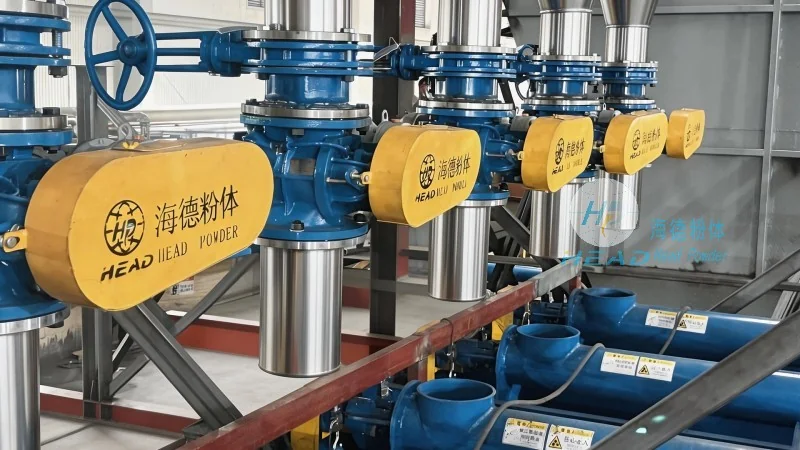
Operational Considerations and Efficiency
Operational efficiency is a critical factor in selecting the appropriate conveying mode for algae residue. Positive pressure systems typically offer higher throughput rates and are more suitable for long-distance transport, as they can maintain consistent pressure throughout the pipeline. However, they may require more energy input due to the higher air pressures and larger air volumes needed. Negative pressure systems, while energy-efficient, may have lower throughput capabilities and are better suited for shorter distances or applications where dust containment is paramount. HeadPowder’s systems incorporate advanced control technologies to optimize air flow and pressure, reducing energy consumption and minimizing operational costs. The company’s technical support team provides comprehensive guidance on system selection, ensuring that clients achieve optimal performance and compliance with industry standards.
Conclusion
In conclusion, the choice between positive pressure and negative pressure pneumatic conveying modes for algae residue depends on a combination of technical, operational, and environmental factors. HeadPowder’s expertise in designing and implementing these systems enables clients to select the most suitable technology for their specific needs. By leveraging advanced engineering and tailored solutions, HeadPowder helps clients improve material handling efficiency, reduce operational costs, and enhance overall process reliability in algae residue processing applications. The company’s commitment to innovation and customer satisfaction continues to drive advancements in pneumatic conveying technologies for the marine biomass industry.