

Choosing Between Positive Pressure and Negative Pressure for Grain Pneumatic Conveying: How to Disti
When it comes to grain handling and transportation, pneumatic conveying systems offer efficient solutions for moving bulk materials. However, the choice between positive pressure and negative pressure systems can significantly impact operational efficiency, cost, and system reliability. Understanding the key differences and characteristics of each type is crucial for selecting the right system for specific applications. This article provides an overview of positive pressure versus negative pressure grain pneumatic conveying, helping you make an informed decision based on your operational needs.
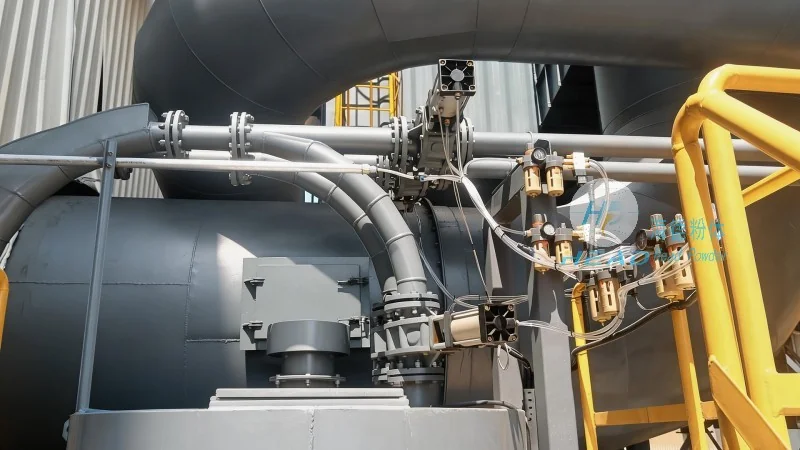
Introduction to Grain Pneumatic Conveying Systems: Positive vs. Negative Pressure
Pneumatic conveying systems are widely used in the agricultural and food processing industries to transport grains, cereals, and other bulk materials from one location to another. These systems utilize air or gas to move materials through a pipeline network, eliminating the need for mechanical components like conveyors or elevators. The primary distinction between positive pressure and negative pressure systems lies in how the air is introduced into the system and how the material is moved.
About HeadPowder Engineering Co., Ltd.
HeadPowder Engineering Co., Ltd., a leading manufacturer based in Shandong, China, specializes in the design, manufacturing, and installation of advanced pneumatic conveying systems. With years of experience in the industry, HeadPowder provides customized solutions tailored to the unique requirements of grain handling operations. The company's commitment to quality and innovation ensures that clients receive reliable and efficient systems that meet international standards.
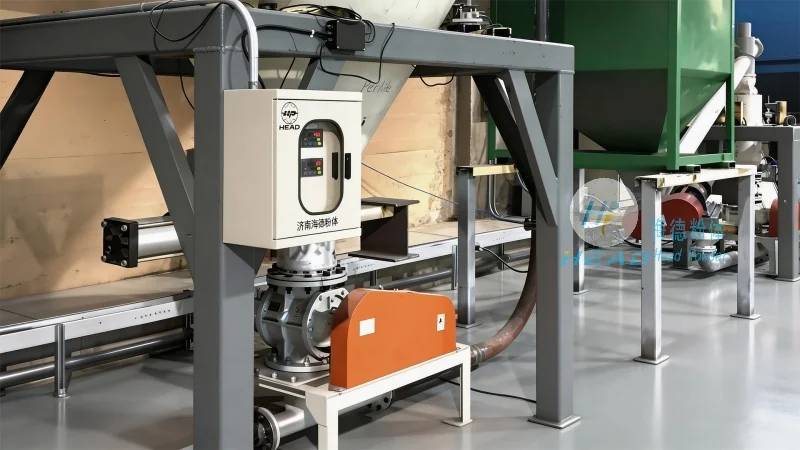
Positive Pressure Pneumatic Conveying Systems
Positive pressure systems operate by blowing air or gas into the conveying line, creating a pressure higher than the ambient air pressure. This pressure pushes the material through the pipeline, ensuring a continuous and controlled flow. The material is typically introduced into the system at the inlet, where it is mixed with the pressurized air and then transported to the discharge point. Positive pressure systems are generally more suitable for short to medium-distance conveying and can handle a wide range of materials, including abrasive or corrosive grains. They are also effective in preventing dust contamination and maintaining product quality.
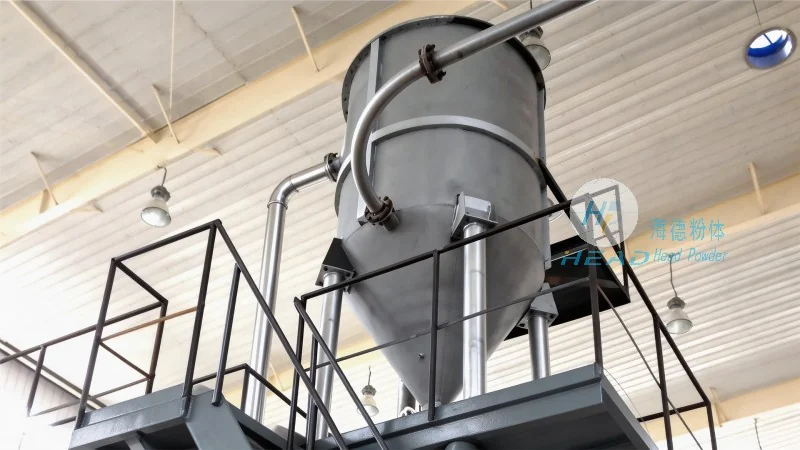
Negative Pressure Pneumatic Conveying Systems
Negative pressure systems, on the other hand, create a vacuum or low-pressure environment within the conveying line, drawing the material into the system. The material is introduced at the inlet, where it is pulled into the pipeline by the suction created by the vacuum pump. Negative pressure systems are commonly used for longer distances and can handle materials that are more sensitive to pressure changes or require gentle handling. They are particularly useful in applications where dust control is critical, as the system draws air and material into the line, reducing the risk of dust dispersion.
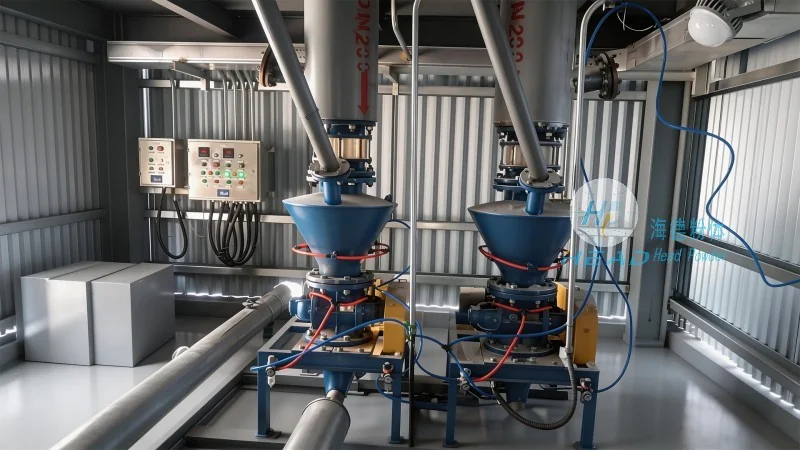
Distinguishing Between Positive and Negative Pressure Systems
Several factors can help in distinguishing between positive and negative pressure pneumatic conveying systems. The most obvious difference is the direction of air flow and pressure. Positive pressure systems use compressed air to push material, while negative pressure systems use suction to draw material. Another key factor is the system's suitability for different distances and material types. Positive pressure systems are better for shorter distances and can handle abrasive materials, whereas negative pressure systems are ideal for longer distances and more delicate materials. Additionally, the design of the system components, such as the inlet and discharge points, differs between the two types. Positive pressure systems typically have a blower or compressor at the inlet, while negative pressure systems use a vacuum pump at the discharge end. The choice of system also depends on the operational environment, including the need for dust control and the availability of space for equipment installation.
Conclusion
Choosing between positive pressure and negative pressure pneumatic conveying systems for grain handling requires careful consideration of operational requirements, material characteristics, and system constraints. Positive pressure systems offer advantages in terms of material handling efficiency and dust control, while negative pressure systems excel in long-distance conveying and gentle material handling. By understanding the differences and benefits of each system, you can select the most appropriate solution for your grain processing needs. HeadPowder Engineering Co., Ltd. provides expert guidance and customized solutions to help you make the right choice, ensuring optimal performance and reliability in your grain handling operations.