

[Pneumatic Conveying for Expanded Clay Aggregate: Choosing Positive Pressure vs. Negative Pressure S
When it comes to transporting expanded clay aggregate (ECA), also known as lightweight aggregate, through pneumatic conveying systems, businesses often face a critical decision: should they opt for positive pressure or negative pressure systems? This choice significantly impacts operational efficiency, equipment longevity, and overall system performance. Understanding the distinctions between these two methods is essential for selecting the most suitable solution for specific applications. This article explores the key differences between positive and negative pressure conveying systems, providing insights to help you make an informed decision.
Understanding Pneumatic Conveying Basics
Pneumatic conveying is a method of transporting bulk materials, such as expanded clay aggregate, using air or gas as the conveying medium. The system typically consists of a hopper, a conveyor line, and a receiver. The primary goal is to move materials from one location to another without the need for mechanical components like conveyor belts or buckets. The choice between positive and negative pressure systems depends on factors like material characteristics, distance, and system layout.
Positive Pressure Conveying Systems
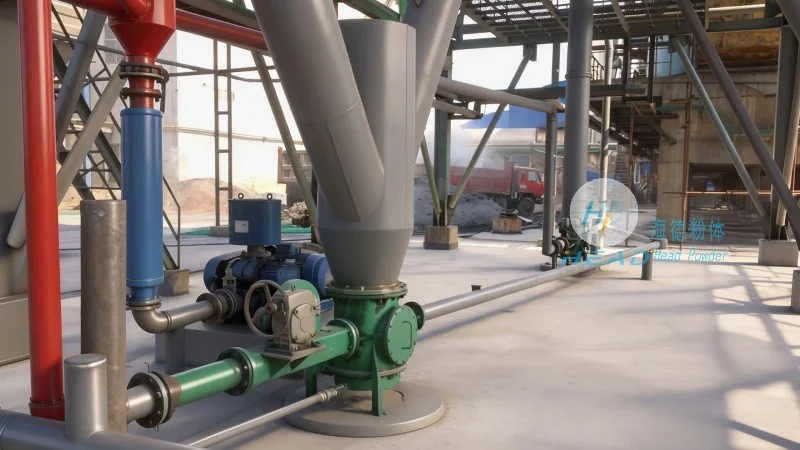
Positive pressure conveying systems operate by blowing air or gas into the conveyor line, creating a pressure higher than the ambient air pressure. This pressurized air pushes the material through the system. The air is then filtered and discharged into the atmosphere. This method is particularly effective for conveying materials over longer distances or when the material is prone to dust or moisture. The high pressure ensures that the material is moved efficiently and consistently. For expanded clay aggregate, which is lightweight and can be dusty, positive pressure systems are often preferred as they can handle the material's characteristics better. The system from Shandong HeadPowder Engineering Co., Ltd. utilizes advanced positive pressure technology to ensure reliable and efficient conveying of expanded clay aggregate.
Negative Pressure Conveying Systems
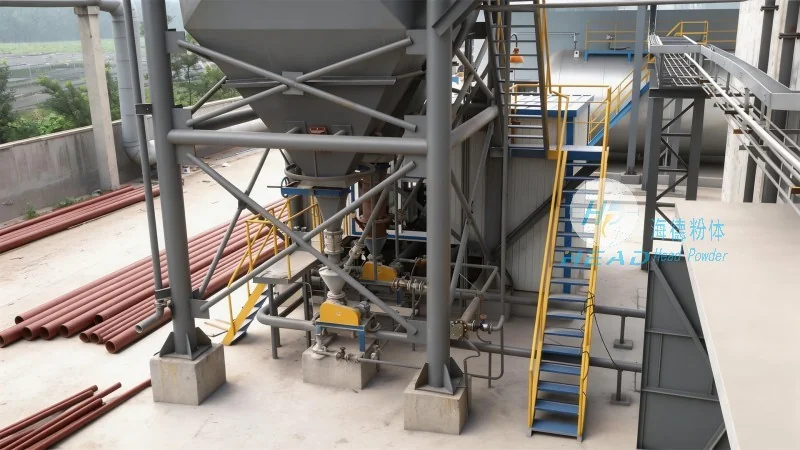
Negative pressure conveying systems, also known as vacuum systems, operate by creating a vacuum in the conveyor line, which draws the material and air into the system. The material is then separated from the air in a receiver and the air is filtered before being released. This method is ideal for applications where the material needs to be contained and the environment must be kept clean. Negative pressure systems are often used for shorter distances or when the material is less dusty. For expanded clay aggregate, negative pressure systems can be effective but may require more maintenance due to the need to manage the vacuum and filter systems. The choice between positive and negative pressure depends on the specific requirements of the application, including the material's properties and the operational environment.
Distinguishing Between the Two Systems
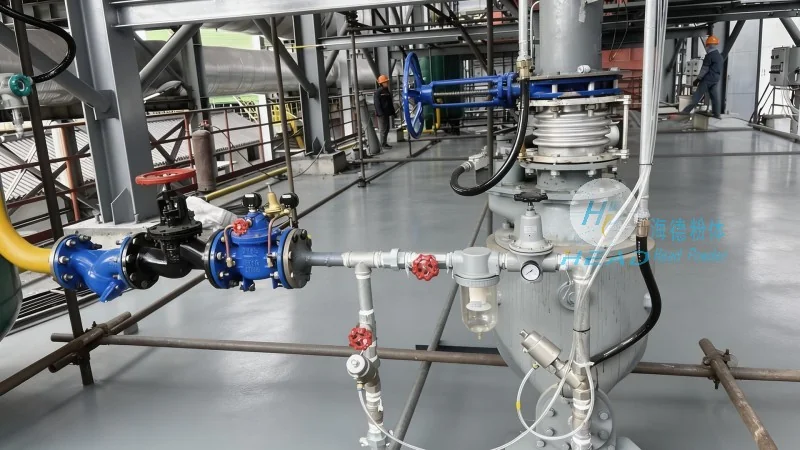
Several key factors help in distinguishing between positive and negative pressure conveying systems. First, consider the material's characteristics. Expanded clay aggregate is lightweight and can be dusty, making positive pressure systems more suitable as they can handle the material's flow properties better. Second, evaluate the distance and layout of the conveying system. Positive pressure systems are generally better for longer distances as they maintain pressure throughout the line. Negative pressure systems are more suitable for shorter distances or when the material needs to be contained. Third, assess the environmental requirements. Positive pressure systems may require additional filtration to control dust emissions, while negative pressure systems are better for maintaining a clean environment by drawing air and material into the system. Finally, consider the operational costs and maintenance requirements. Positive pressure systems may have higher energy costs due to the need to generate high pressure, while negative pressure systems may require more maintenance for the vacuum and filter components.
Conclusion
Choosing between positive pressure and negative pressure conveying systems for expanded clay aggregate depends on a variety of factors, including the material's properties, the distance to be covered, and the environmental requirements. Positive pressure systems are generally more suitable for longer distances and handling dusty materials, while negative pressure systems are better for shorter distances and maintaining a clean environment. Shandong HeadPowder Engineering Co., Ltd. offers advanced pneumatic conveying solutions tailored to the specific needs of expanded clay aggregate applications, ensuring efficient and reliable material transport. By understanding the distinctions between these systems, businesses can select the most appropriate solution to optimize their operations and improve overall productivity.