

Rice Husk Pneumatic Conveying: Choosing Between Positive and Negative Pressure Systems - How to Dist
When it comes to handling rice husk through pneumatic conveying systems, selecting the right pressure type—positive or negative—is a critical decision that impacts efficiency, cost, and operational safety. This article explores the key differences between positive and negative pressure systems for rice husk transportation, helping you make an informed choice for your processing needs.
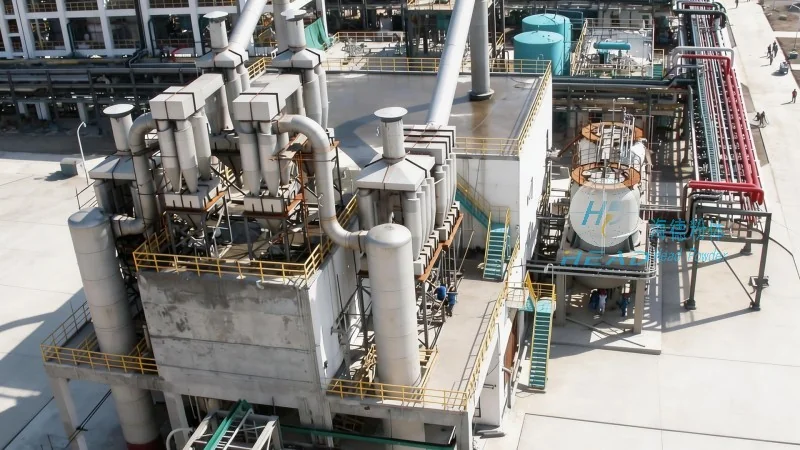
Shandong HeadPowder Engineering Co., Ltd., a leading provider of pneumatic conveying solutions, specializes in designing and manufacturing systems tailored to the unique requirements of rice husk processing. With decades of experience in the industry, HeadPowder offers expert guidance and customized equipment to optimize rice husk handling operations.
Understanding the Basics of Pneumatic Conveying for Rice Husk
Pneumatic conveying systems use air to transport bulk materials like rice husk through a pipeline. The primary distinction lies in how the system generates the necessary pressure to move the material. Positive pressure systems force air into the material stream, while negative pressure systems create a vacuum to draw material into the system.
Positive Pressure Systems for Rice Husk Conveying
Positive pressure systems operate by blowing air into the conveying line, creating a pressure higher than the ambient air. This method is particularly effective for transporting rice husk over longer distances or through complex layouts. The high-pressure air ensures that the material is propelled forward, minimizing the risk of blockages and ensuring consistent flow rates. For rice husk, which can be lightweight and prone to dust, positive pressure systems often provide better control over particle movement and reduce the likelihood of material degradation.
Negative Pressure Systems for Rice Husk Conveying
Negative pressure systems, on the other hand, create a vacuum in the conveying line, drawing rice husk into the system. This approach is ideal for applications where the material needs to be collected from multiple points or where the system is integrated with existing dust collection equipment. Negative pressure systems are generally more energy-efficient for short to medium distances and can handle larger volumes of material with less air volume compared to positive pressure systems. However, they may be more susceptible to clogging if the rice husk contains high moisture content or fine particles.
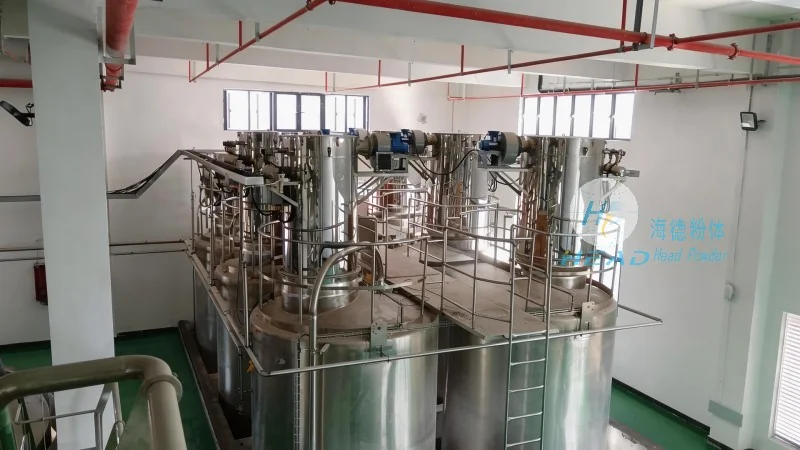
Key Factors to Consider When Choosing Between Positive and Negative Pressure
Several factors influence the choice between positive and negative pressure systems for rice husk pneumatic conveying. The first is the distance and layout of the conveying line. Positive pressure systems are preferred for long-distance or complex routes, as they maintain consistent pressure and flow. Negative pressure systems are better suited for shorter distances or when the material is collected from multiple sources.
Another critical factor is the material characteristics of rice husk. If the rice husk is lightweight and prone to dust, positive pressure systems may offer better control and reduce the risk of material loss. Conversely, if the material is bulkier or has higher moisture content, negative pressure systems might be more effective in preventing clogging and maintaining system efficiency.
Energy consumption is also a key consideration. Positive pressure systems typically require more energy due to the higher air pressure needed to move the material. Negative pressure systems, while more energy-efficient for shorter distances, may need additional filtration to prevent dust from escaping into the environment.
Distinguishing Features of Positive Pressure and Negative Pressure Conveying for Rice Husk
From an operational perspective, positive pressure systems are often easier to maintain and monitor, as they do not require complex vacuum pumps or filtration systems. However, they may generate more noise and require regular maintenance of air compressors. Negative pressure systems, while quieter, demand more attention to filtration and system integrity to prevent dust leakage and ensure compliance with environmental regulations.
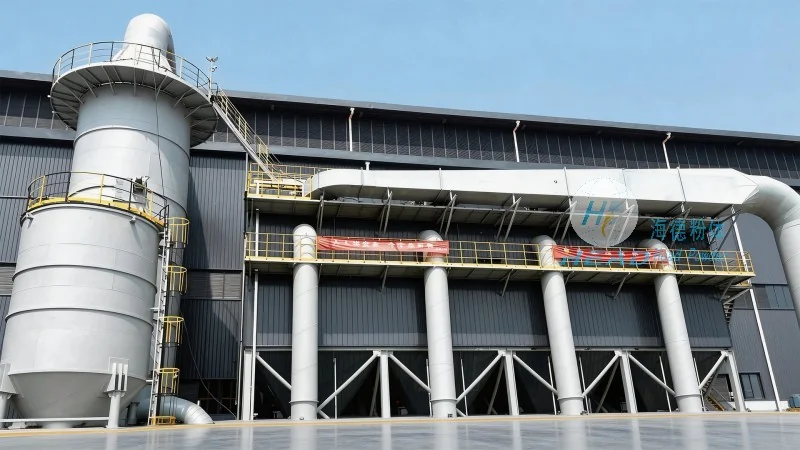
In terms of cost, positive pressure systems may have higher upfront costs due to the need for robust air compressors and higher-pressure components. Negative pressure systems, though potentially less expensive initially, may incur higher long-term costs due to the need for frequent filter changes and maintenance of vacuum pumps.
Practical Applications and Performance Considerations for Rice Husk Pneumatic Conveying
For rice husk processing facilities, the choice between positive and negative pressure systems depends on the specific application. For example, in a rice mill where rice husk needs to be transported from multiple grinding stations to a central storage silo, a negative pressure system might be more suitable to collect material from various points. Conversely, if the rice husk needs to be conveyed over a long distance to a power plant for energy generation, a positive pressure system would likely be more efficient.
Performance metrics such as conveying capacity, pressure drop, and system reliability are also important. Positive pressure systems generally offer higher conveying capacities and more stable pressure, making them ideal for high-volume rice husk handling. Negative pressure systems, while effective for smaller volumes, may experience fluctuations in pressure and flow, especially when dealing with variable material conditions.
About Shandong HeadPowder Engineering Co., Ltd.
Shandong HeadPowder Engineering Co., Ltd. is headquartered in Shandong, China, and has established itself as a trusted partner in the design and implementation of pneumatic conveying systems for rice husk and other bulk materials. The company’s team of engineers and technicians work closely with clients to understand their operational challenges and provide tailored solutions that enhance efficiency and reduce downtime. With a commitment to quality and innovation, HeadPowder delivers reliable, cost-effective systems that meet the evolving needs of the rice processing industry.