

Choosing Between Positive Pressure and Negative Pressure for Grass Pellet Pneumatic Conveying: How t
When it comes to transporting grass pellets through pneumatic systems, selecting the right type of conveying method is crucial for efficiency, cost-effectiveness, and operational safety. Two primary approaches dominate the industry: positive pressure and negative pressure systems. Understanding the distinctions between these two methods is essential for making an informed decision that aligns with your specific operational needs. This article will explore the characteristics of both positive and negative pressure pneumatic conveying for grass pellets, highlighting key factors to consider when choosing between them.
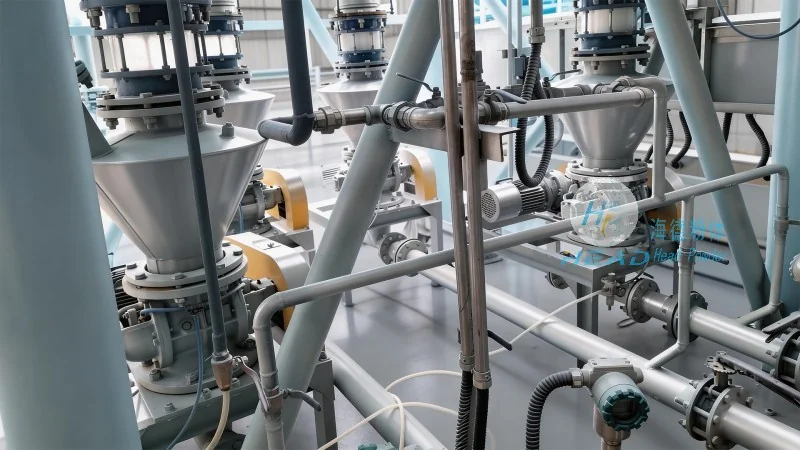
Understanding Pneumatic Conveying Basics
Pneumatic conveying systems use air or gas to transport bulk materials like grass pellets through a pipeline. The fundamental difference between positive and negative pressure systems lies in how the air pressure is managed within the system. Positive pressure systems operate by forcing air and material through the pipeline, while negative pressure systems draw material into the system using a vacuum.
Positive Pressure Pneumatic Conveying for Grass Pellets
Positive pressure systems, also known as pressure conveying, are commonly used for transporting grass pellets over longer distances or in systems with multiple transfer points. In this method, a blower or compressor generates high-pressure air that pushes the pellets through the pipeline. The positive pressure ensures that the material is continuously moved forward, preventing blockages and maintaining consistent flow rates. This approach is particularly effective for applications requiring high throughput and reliable material transport.
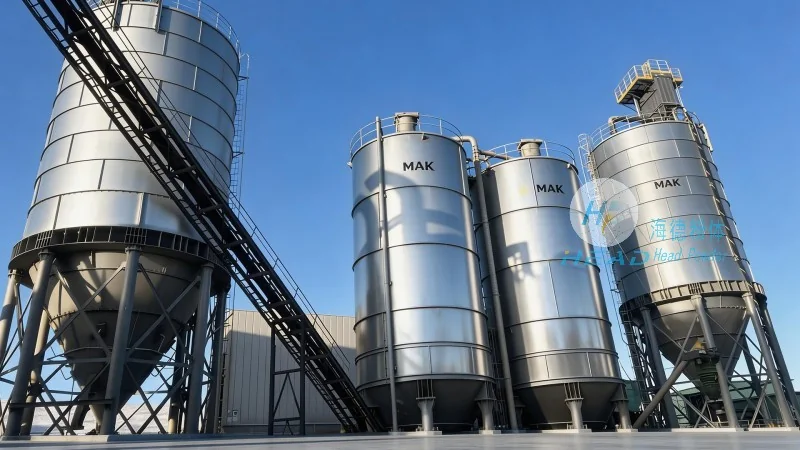
Key advantages of positive pressure systems include their ability to handle abrasive materials like grass pellets without causing excessive wear on the system components. The high-pressure air also helps to keep the material suspended in the air stream, reducing the risk of product degradation or contamination. Additionally, positive pressure systems are generally more suitable for systems that require multiple pick-up points or need to transport materials to elevated locations.
Negative Pressure Pneumatic Conveying for Grass Pellets
Negative pressure systems, or vacuum conveying, are often preferred for shorter conveying distances or when the material needs to be collected from multiple sources. These systems use a vacuum pump to create a low-pressure environment that draws the grass pellets into the pipeline. The material is then carried by the air stream towards the collection point. Negative pressure conveying is particularly useful for applications where the material is sensitive to high pressure or where the system needs to operate in a more controlled, low-energy environment.
One of the main benefits of negative pressure systems is their lower energy consumption compared to positive pressure systems. The vacuum pump operates at lower pressures, reducing the overall energy costs. Additionally, negative pressure systems are less likely to cause dust or particle emissions during operation, making them a more environmentally friendly option for some applications. However, they may be less effective for long-distance or high-volume transport due to the limitations of vacuum pressure.
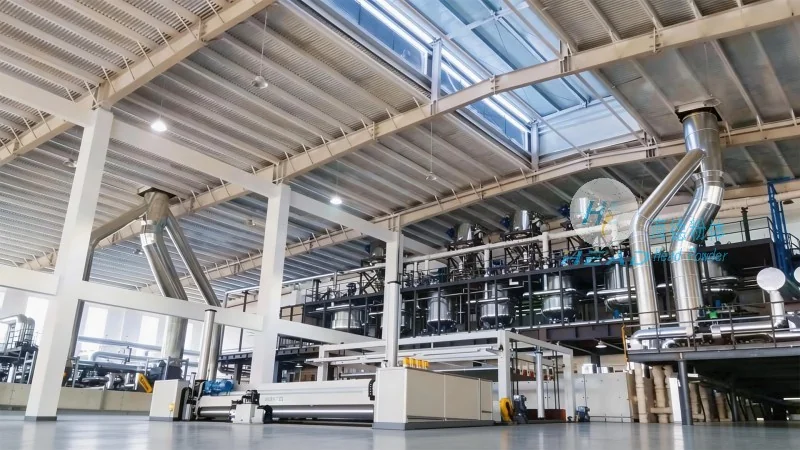
Distinguishing Between Positive and Negative Pressure Systems
When evaluating which pneumatic conveying system is right for your grass pellet transport needs, several factors should be considered. The first is the distance and layout of the conveying system. Positive pressure systems are better suited for longer distances and complex layouts with multiple transfer points, while negative pressure systems are ideal for shorter distances and simpler setups.
Another critical factor is the material characteristics. Grass pellets can vary in size, density, and moisture content, which affects how they behave in a pneumatic system. Positive pressure systems are generally more effective for handling abrasive or high-density materials, as the high-pressure air can maintain consistent flow. Negative pressure systems, on the other hand, may be more suitable for lighter or more delicate pellets that could be damaged by high pressure.
Operational costs and energy efficiency are also important considerations. Positive pressure systems typically require more energy due to the high-pressure air, but they offer higher throughput and reliability. Negative pressure systems are more energy-efficient but may have lower capacity and longer maintenance requirements due to the vacuum pump and associated components.
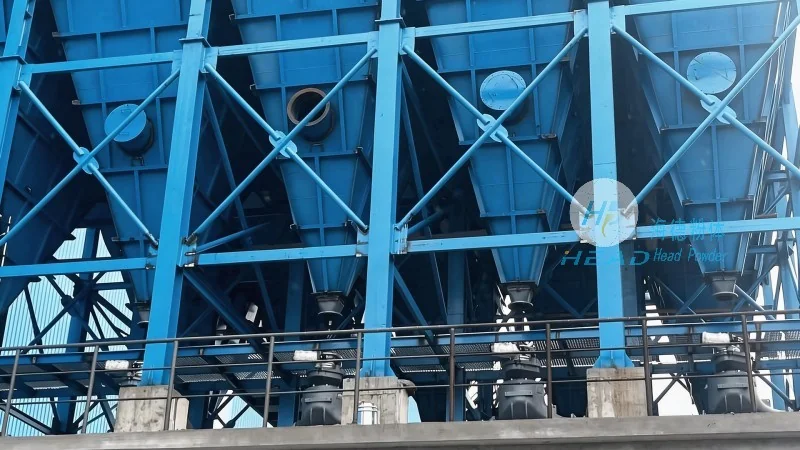
Choosing the Right System for Your Grass Pellet Conveying Needs
Ultimately, the choice between positive and negative pressure pneumatic conveying for grass pellets depends on a combination of operational requirements, material characteristics, and budget constraints. For applications requiring high efficiency and reliability over longer distances, positive pressure systems are often the preferred choice. For shorter distances or when energy efficiency and lower emissions are priorities, negative pressure systems may be more appropriate.
It is essential to consult with experts in the field, such as Shandong HeadPowder Engineering Co., Ltd., a leading provider of pneumatic conveying solutions. With years of experience in designing and implementing custom conveying systems, HeadPowder can help you evaluate your specific needs and recommend the most suitable system for your grass pellet transport requirements. Whether you opt for a positive or negative pressure system, the goal is to achieve efficient, cost-effective, and safe material handling that meets your operational goals.