

Resin Pneumatic Conveying: Positive Pressure vs. Negative Pressure - How to Differentiate?
Resin pneumatic conveying is a critical process in industrial applications where resin materials are transported through a pipeline using air or other gas as the conveying medium. The choice between positive pressure and negative pressure systems is a fundamental decision that impacts system efficiency, cost, and operational safety. Understanding the distinctions between these two methods is essential for selecting the most suitable solution for specific resin handling needs.
Positive Pressure Pneumatic Conveying Systems
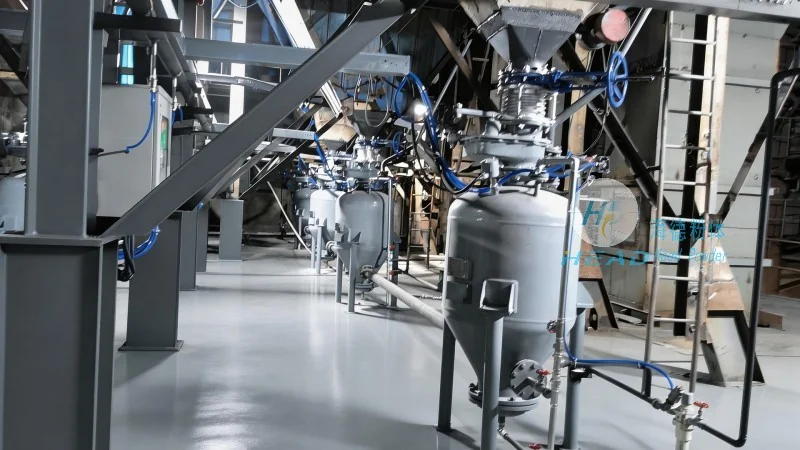
Positive pressure systems operate by generating air pressure inside the conveying line, pushing the resin material forward. This method is often preferred for applications requiring high conveying distances or when dealing with abrasive or sensitive resin types. The system typically includes a blower or compressor at the discharge end, which forces air and resin through the pipeline. A key advantage of positive pressure is its ability to handle long distances and complex layouts without significant pressure drops. However, it may require more robust equipment and higher energy consumption compared to negative pressure systems. The design of positive pressure systems often involves a receiver or hopper at the discharge point to collect the conveyed resin, ensuring efficient material transfer.
Negative Pressure Pneumatic Conveying Systems
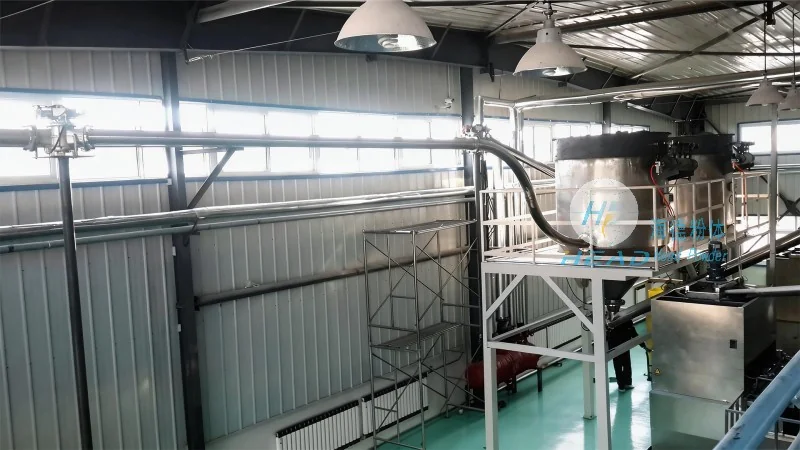
Negative pressure systems, also known as vacuum or suction systems, create a lower pressure inside the conveying line compared to the ambient air, drawing the resin material into the pipeline. This approach is commonly used for shorter conveying distances and when the resin is lightweight or requires gentle handling. The system typically features a vacuum pump at the discharge end, which pulls air and resin through the pipeline. A notable benefit of negative pressure is its lower energy consumption and simpler setup, making it suitable for applications with limited space or where noise and vibration are concerns. However, negative pressure systems may have limitations in conveying long distances or handling highly abrasive materials, as the vacuum can be insufficient to maintain material flow over extended pipelines.
Key Factors for Differentiating Between Positive and Negative Pressure Systems
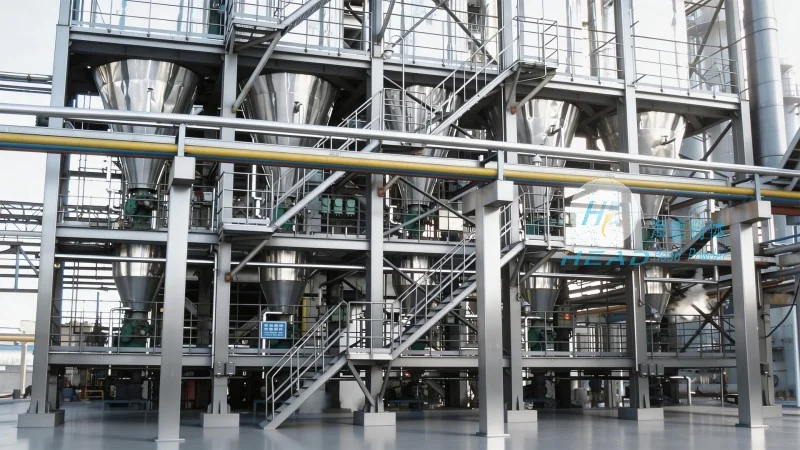
When deciding between positive and negative pressure pneumatic conveying for resin applications, several key factors must be considered. First, the distance and layout of the conveying line are critical. Positive pressure is generally more effective for longer distances, while negative pressure is better suited for shorter runs. Second, the physical properties of the resin, such as particle size, density, and abrasiveness, play a significant role. Highly abrasive or dense resins may require the higher pressure and robust design of positive pressure systems to prevent pipeline wear and ensure reliable flow. Third, operational considerations like energy efficiency and noise levels are important. Negative pressure systems typically consume less energy and generate less noise, which can be advantageous in noise-sensitive environments or for cost-sensitive operations. Additionally, the available space for equipment installation can influence the choice, as negative pressure systems often require less space due to the absence of a high-pressure blower.
Application Examples and Practical Considerations
Practical examples illustrate the application of these systems in resin handling. For instance, in a resin manufacturing plant located in Shandong, China, a positive pressure system might be employed to transport bulk resin from a storage silo to a processing unit over a distance of several hundred meters, handling abrasive resin particles that require high pressure to maintain flow. Conversely, a negative pressure system could be used in a smaller resin handling facility to transfer lightweight resin from a hopper to a mixing station over a short distance, where energy efficiency and low noise are prioritized. The choice also depends on the specific resin type, such as polyethylene or polypropylene, which may have different flow characteristics and require tailored system designs. It is essential to evaluate the resin's properties, including moisture content and agglomeration tendency, as these factors can affect the conveying efficiency and system performance.
Conclusion and Recommendations
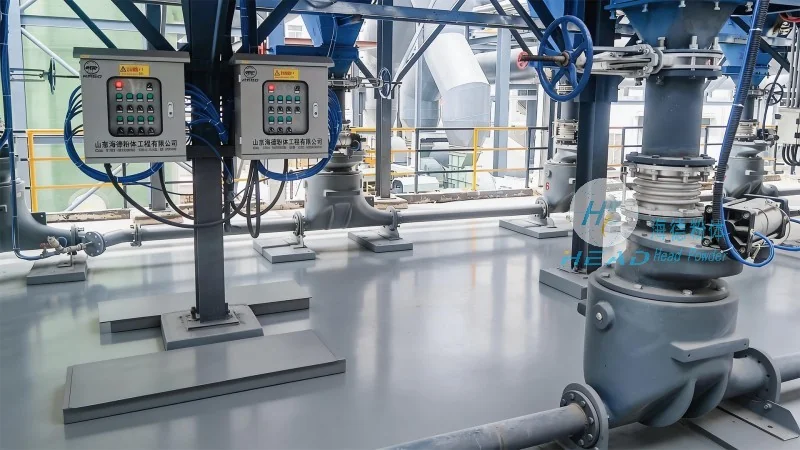
Choosing between positive and negative pressure pneumatic conveying for resin applications requires a thorough analysis of operational requirements, material characteristics, and system constraints. Positive pressure systems offer superior performance for long-distance and high-abrasion applications but at a higher energy cost. Negative pressure systems provide energy efficiency and gentler handling for shorter distances and less abrasive materials. By carefully assessing the conveying distance, resin properties, and operational priorities, industrial facilities can select the most appropriate system to ensure efficient, reliable, and cost-effective resin handling. For businesses in Shandong, China, such as Shandong HeadPowder Engineering Co., Ltd., understanding these distinctions is crucial for optimizing resin processing and improving overall operational efficiency.