

Choosing Between Positive Pressure and Negative Pressure for Wheat Pneumatic Conveying: How to Disti
When it comes to transporting wheat efficiently and safely, pneumatic conveying systems offer a reliable solution. However, the choice between positive pressure and negative pressure systems can significantly impact operational performance, cost, and equipment maintenance. Understanding the key differences and applications of each system is crucial for selecting the right technology for your wheat handling needs.
Positive Pressure Pneumatic Conveying Systems
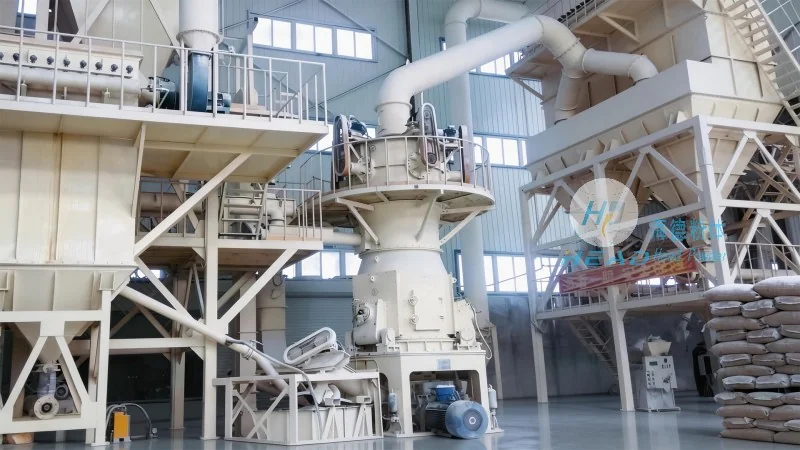
Positive pressure systems operate by blowing air or a mixture of air and other gases into the conveying line, creating a pressure higher than the ambient air pressure. This method pushes the wheat particles through the system, making it suitable for long-distance and high-capacity applications. The primary advantage of positive pressure systems is their ability to handle large volumes of material over extended distances without the need for multiple transfer points. They are particularly effective in scenarios where the wheat needs to be conveyed from a central storage point to multiple processing locations or silos.
For wheat, positive pressure systems are often preferred when dealing with bulk quantities, as they can maintain consistent flow rates and minimize material degradation. The high pressure also helps in overcoming resistance caused by long pipelines or multiple bends. However, these systems require robust equipment capable of withstanding higher pressures, which can increase initial investment costs. Regular maintenance is essential to ensure the seals and components are in good condition to prevent air leaks and maintain efficiency.
Negative Pressure Pneumatic Conveying Systems
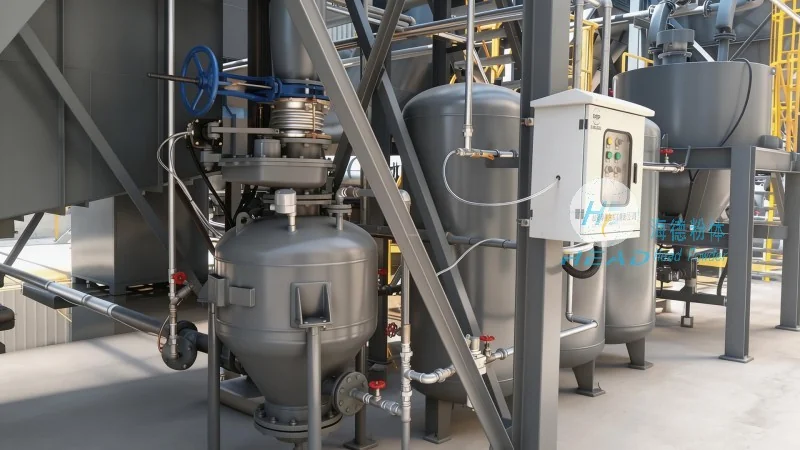
Negative pressure systems, on the other hand, work by creating a vacuum in the conveying line, drawing the wheat particles into the system. The air is then drawn through the material and expelled through a filter or cyclone separator. This method is ideal for applications where the wheat needs to be conveyed from multiple points to a central collection point, such as in grain mills or processing plants. The main benefit of negative pressure systems is their ability to handle fine or dusty materials without generating excessive dust, as the air is drawn through the material rather than blowing it out.
In the context of wheat, negative pressure systems are commonly used in environments where dust control is a priority, such as in processing facilities or when transferring wheat from storage bins to processing equipment. They are also suitable for shorter distances and lower capacities compared to positive pressure systems. The vacuum created helps in maintaining a clean working environment by containing dust within the system. However, negative pressure systems may have limitations in terms of conveying long distances or handling large volumes, as the vacuum strength diminishes over distance and can lead to reduced flow rates.
Distinguishing Between Positive and Negative Pressure Systems
Several factors can help in distinguishing between positive and negative pressure systems when selecting for wheat pneumatic conveying:
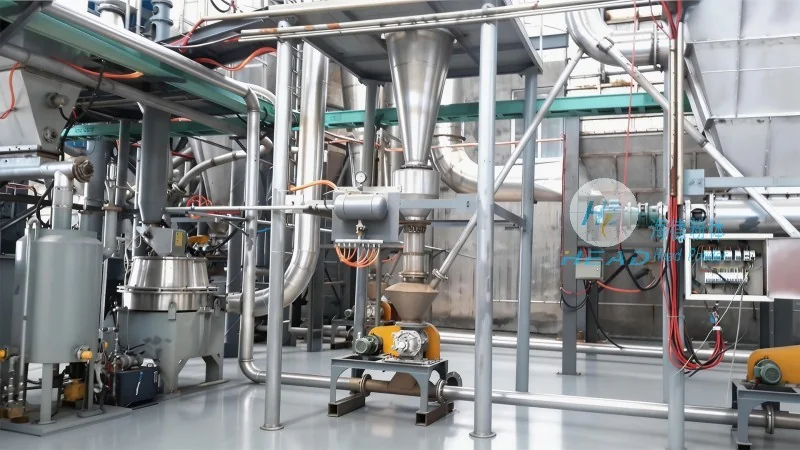
- Application Requirements: Positive pressure is better for long-distance, high-volume transport from a single source to multiple destinations. Negative pressure is more suitable for short-distance, low-volume transport from multiple sources to a central collection point.
- Material Characteristics: If the wheat is fine or dusty, negative pressure systems are preferred to minimize dust dispersion. For larger, bulkier wheat particles, positive pressure systems can handle them more effectively.
- Distance and Capacity: Positive pressure systems excel in long-distance, high-capacity applications. Negative pressure systems are more efficient for shorter distances and lower capacities.
- Environmental Considerations: Negative pressure systems are advantageous in environments where dust control is critical, as they draw air through the material rather than blowing it out. Positive pressure systems may require additional dust collection equipment if dust control is a concern.
Choosing the Right System for Your Wheat Handling Needs
When deciding between positive and negative pressure pneumatic conveying systems for wheat, it is essential to consider the specific requirements of your operation. Factors such as the distance between the source and destination, the volume of wheat to be conveyed, the characteristics of the wheat (e.g., particle size, moisture content), and the environmental regulations in your area should all be evaluated. Consulting with experts from companies like Shandong HeadPowder Engineering Co., Ltd., which specializes in pneumatic conveying solutions, can provide valuable insights and help in selecting the most suitable system for your needs.
Shandong HeadPowder Engineering Co., Ltd., based in Shandong, China, offers comprehensive solutions for wheat pneumatic conveying, including both positive and negative pressure systems tailored to specific operational requirements. Their expertise in material handling and conveying technology ensures that the chosen system maximizes efficiency, reduces operational costs, and maintains the quality of the wheat throughout the conveying process.