

Loess Powder Handling: Positive Pressure vs. Negative Pressure - How to Differentiate?
When it comes to handling loess powder, selecting the right pneumatic conveying system is crucial for efficiency and operational success. The two primary methods are positive pressure and negative pressure systems, each with distinct characteristics and applications. Understanding the differences between these systems is essential for making an informed decision. This article will explore the key aspects of positive and negative pressure pneumatic conveying for loess powder, helping you determine which approach is best suited for your needs.
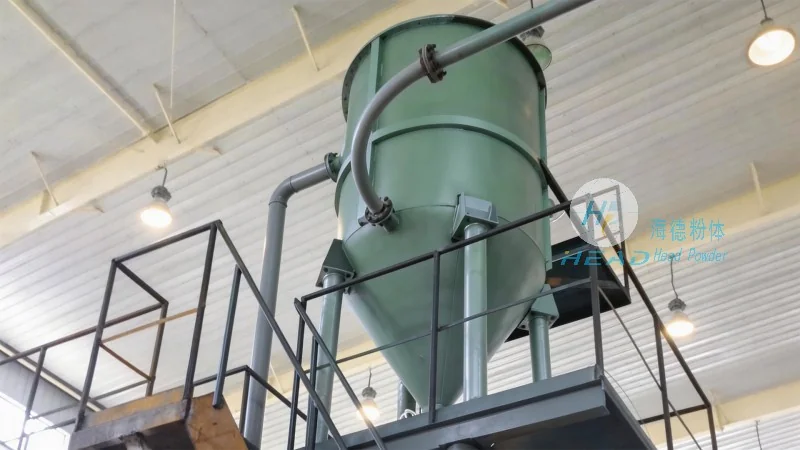
Understanding Pneumatic Conveying Systems
Pneumatic conveying is a method of transporting bulk materials, such as powders, through a pipeline using air or gas. It offers advantages like reduced dust, improved safety, and the ability to transport materials over long distances without the need for mechanical components like buckets or belts. The choice between positive and negative pressure systems depends on factors like material properties, distance, and environmental considerations.
Positive Pressure Pneumatic Conveying
Positive pressure systems operate by blowing air or gas into the material to be conveyed, creating a pressure higher than the ambient air pressure. This method is often used for short to medium distances and when the material is relatively dry and free-flowing. The high pressure ensures that the material is pushed through the pipeline, making it suitable for applications where the material is to be delivered to a specific location, such as a silo or storage tank.
One of the key advantages of positive pressure systems is their ability to handle abrasive materials without causing excessive wear on the equipment. This makes them ideal for loess powder, which can be fine and potentially abrasive. Additionally, positive pressure systems are generally more straightforward to install and maintain, as they do not require complex vacuum equipment. However, they may not be as effective for long-distance transport due to the energy required to maintain high pressure throughout the entire pipeline.
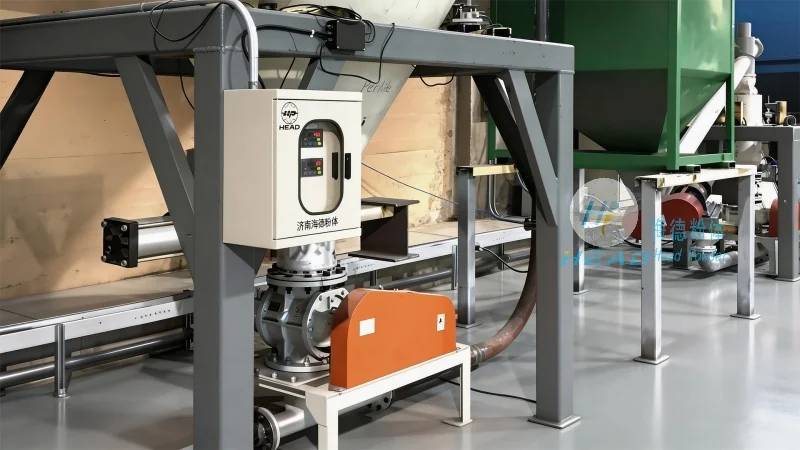
Negative Pressure Pneumatic Conveying
Negative pressure systems, also known as vacuum systems, operate by creating a vacuum in the pipeline, drawing the material into the system. This method is commonly used for longer distances and when the material is more sensitive or requires a cleaner environment. The vacuum pulls the material through the pipeline, making it suitable for applications where the material needs to be collected from multiple sources or transported over extended distances.
One of the main benefits of negative pressure systems is their ability to handle fine powders without generating excessive dust or particles. This is particularly important for loess powder, which can be easily airborne and cause health hazards. Additionally, vacuum systems are often more energy-efficient for long-distance transport, as the energy is used to create the vacuum rather than maintain high pressure. However, they may be more prone to clogging and require more maintenance to prevent material buildup in the pipeline.
Distinguishing Between Positive and Negative Pressure Systems
When deciding between positive and negative pressure pneumatic conveying for loess powder, several factors should be considered. The first is the distance of the transport. Positive pressure systems are typically better for short to medium distances, while negative pressure systems are more suitable for longer distances. The second factor is the material properties. If the loess powder is dry and free-flowing, a positive pressure system may be sufficient. However, if the powder is fine and potentially abrasive, a negative pressure system might be more appropriate to minimize dust and wear.
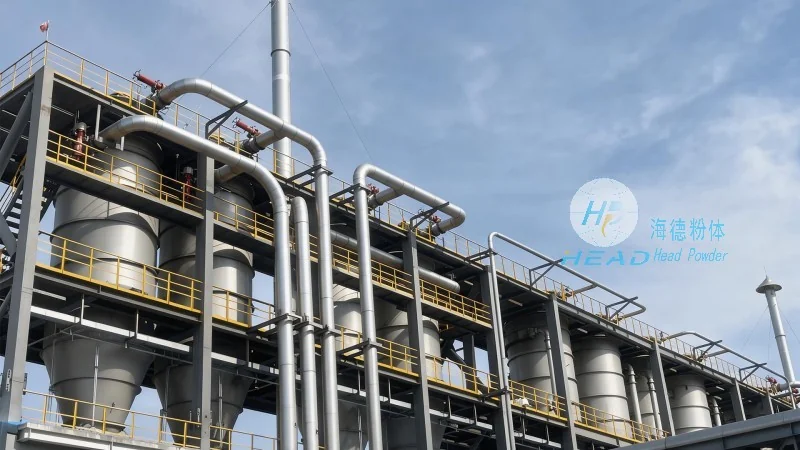
Environmental considerations also play a role. Positive pressure systems may release some air into the environment, which could be a concern in certain settings. Negative pressure systems, on the other hand, are more enclosed and can help contain dust, making them a better choice for applications where environmental impact is a priority. Finally, the cost and maintenance requirements should be evaluated. Positive pressure systems are generally less expensive to install and maintain, while negative pressure systems may require more sophisticated equipment and regular cleaning to prevent clogs.
Conclusion
Choosing between positive and negative pressure pneumatic conveying for loess powder depends on a combination of factors, including distance, material properties, and environmental requirements. Positive pressure systems are efficient for short to medium distances and handle abrasive materials well, while negative pressure systems are better suited for longer distances and fine powders that require dust control. By carefully evaluating these factors, you can select the most appropriate system for your loess powder handling needs.
For professional guidance and customized solutions in loess powder handling, Shandong HeadPowder Engineering Co., Ltd. offers expert consultation and high-quality pneumatic conveying systems. With years of experience in the industry, HeadPowder understands the unique challenges of handling loess powder and provides tailored solutions to meet your operational needs. Whether you require a positive or negative pressure system, their team of engineers can help you make the right choice to optimize your material transport processes.