

Choosing Between Positive Pressure and Negative Pressure for Silica Sand Pneumatic Conveying: How to
When it comes to transporting silica sand using pneumatic systems, selecting the right type of conveying method is crucial for efficiency, cost-effectiveness, and operational safety. Two primary approaches dominate the industry: positive pressure and negative pressure systems. Understanding the differences between these two methods is essential for making an informed decision that aligns with your specific operational needs. This article will explore the key characteristics of both positive and negative pressure pneumatic conveying for silica sand, helping you determine which option is best suited for your application.
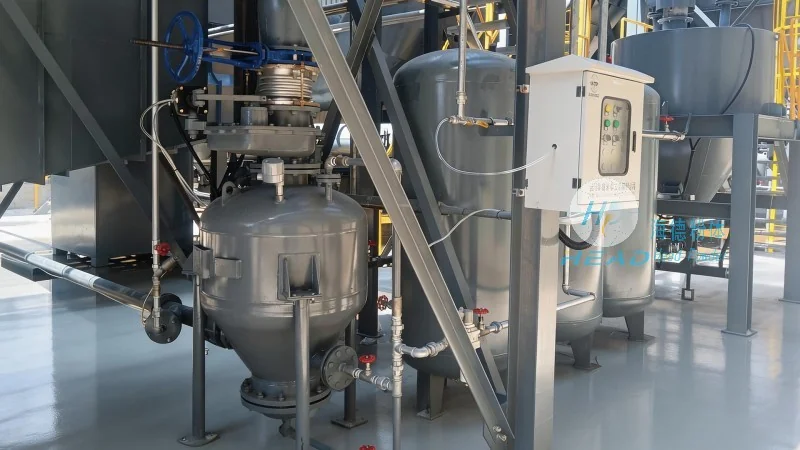
Understanding Pneumatic Conveying Basics
Pneumatic conveying systems use air or gas to transport bulk materials like silica sand through a pipeline. The primary goal is to move the material from a source to a destination without the need for mechanical components like belts or buckets. The choice between positive and negative pressure systems depends on factors such as material properties, distance, volume, and the need for containment. Both methods have their advantages and limitations, which we will delve into below.
Positive Pressure Pneumatic Conveying
Positive pressure systems operate by blowing air or gas into the conveying line, creating a pressure higher than the ambient air pressure. This pressurized air propels the silica sand particles forward through the pipeline. The material is typically fed into the system at the start of the line, and the air flow carries it to the discharge point. Positive pressure systems are generally more suitable for longer distances and higher material volumes. They are also effective for applications where the material needs to be discharged into a controlled environment, such as a silo or storage tank. A key advantage of positive pressure systems is their ability to handle abrasive materials like silica sand without excessive wear on the equipment. The pressurized air helps to keep the material suspended and prevents it from settling or clogging the pipeline. However, these systems require robust sealing and can be more expensive to install and maintain due to the higher pressure requirements. Additionally, they may generate more noise and require more energy to operate compared to negative pressure systems.
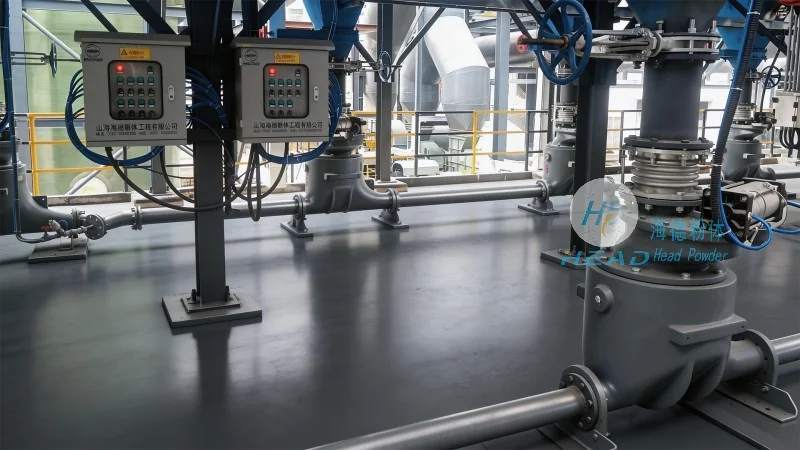
Negative Pressure Pneumatic Conveying
Negative pressure systems, also known as vacuum systems, work by creating a vacuum in the conveying line. The vacuum draws the silica sand particles into the pipeline from the source, where they are then transported to the discharge point. The material is typically fed into the system at the discharge end or through a hopper that is connected to the vacuum line. Negative pressure systems are often preferred for shorter distances and lower material volumes. They are particularly useful when the material needs to be collected from multiple points and transported to a central location. A significant advantage of negative pressure systems is their lower energy consumption and reduced noise levels compared to positive pressure systems. They are also more suitable for applications where the material is sensitive to high pressures or where the system needs to be enclosed to prevent dust emissions. However, negative pressure systems may not be as effective for long-distance or high-volume transport, as the vacuum can drop off over distance, leading to material settling or clogging. They also require careful maintenance to ensure that the vacuum pump and seals are functioning correctly to prevent air leaks and material loss.
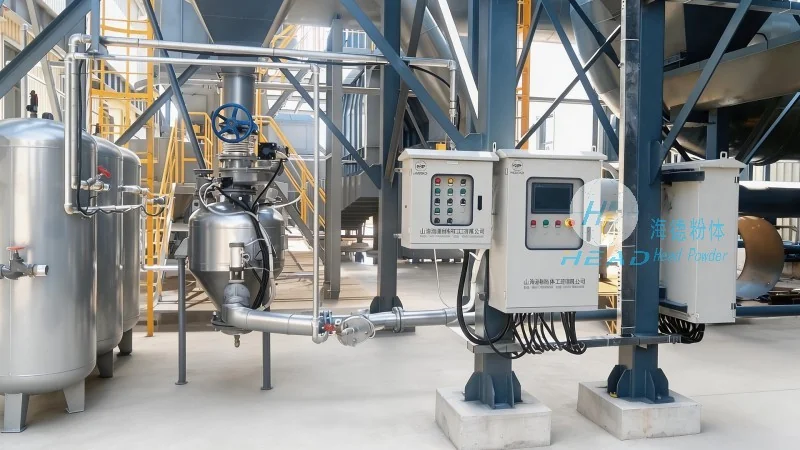
Distinguishing Between Positive and Negative Pressure Systems
So, how can you tell which system is right for your silica sand pneumatic conveying needs? The key factors to consider include the distance between the source and destination, the volume of material to be transported, the material's properties (such as abrasiveness and dust generation), and the environmental requirements. For instance, if you need to transport silica sand over a long distance or in large quantities, a positive pressure system is likely the better choice due to its higher capacity and ability to maintain pressure over longer runs. Conversely, if the transport distance is short and the material is to be collected from multiple points, a negative pressure system may be more efficient and cost-effective. Material properties also play a role; for highly abrasive silica sand, positive pressure systems with robust components are recommended to minimize wear and tear. Environmental considerations, such as the need to contain dust or prevent emissions, can influence the choice as well. Negative pressure systems are often preferred in enclosed environments where dust control is critical, as they draw material into the system rather than expelling it.
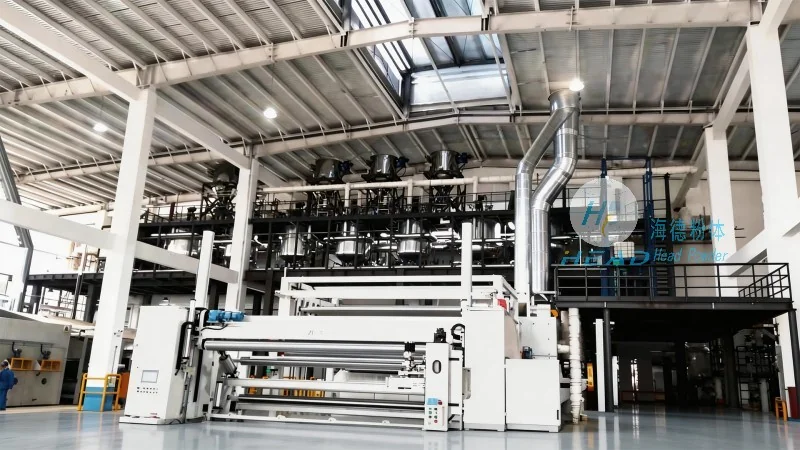
Factors to Consider When Choosing a System
When deciding between positive and negative pressure pneumatic conveying for silica sand, several factors should be evaluated. First, the distance and layout of the conveying system are critical. Longer distances typically favor positive pressure systems due to their ability to maintain pressure and prevent material settling. Shorter distances or systems with multiple pick-up points may benefit from negative pressure. Second, the volume of material to be transported is a key consideration. Positive pressure systems are generally more suitable for high-volume applications, while negative pressure systems are better for lower volumes. Third, the material's characteristics, including its density, flowability, and dust generation, must be assessed. Abrasive materials like silica sand may require more durable components in positive pressure systems to extend their lifespan. Fourth, energy consumption and operational costs should be weighed. Negative pressure systems are often more energy-efficient but may have higher maintenance costs due to the vacuum pump. Fifth, safety and environmental regulations must be considered. Positive pressure systems may require additional safety measures to prevent pressure buildup, while negative pressure systems need to ensure proper sealing to avoid air leaks and dust emissions.
Conclusion
Choosing between positive pressure and negative pressure pneumatic conveying for silica sand is a decision that requires careful evaluation of operational requirements, material properties, and system constraints. Positive pressure systems offer higher capacity and better performance over long distances but come with higher energy and maintenance costs. Negative pressure systems are more energy-efficient and suitable for shorter distances or enclosed environments but may have limitations in terms of material volume and distance. By understanding the characteristics of each system and considering the specific needs of your silica sand transport application, you can select the most appropriate method to ensure efficient, reliable, and cost-effective operation. Whether you opt for a positive or negative pressure system, the goal is to achieve seamless material transport while minimizing downtime and operational risks. For further assistance in selecting the right pneumatic conveying system for your silica sand needs, contact Shandong HeadPowder Engineering Co., Ltd., a leading provider of engineering solutions for bulk material handling.