

Choosing Between Positive Pressure and Negative Pressure Pneumatic Conveying for Soybean Powder: How
When it comes to pneumatic conveying systems for soybean powder, selecting the right type of system is crucial for efficiency, cost-effectiveness, and operational safety. Two primary methods dominate the industry: positive pressure and negative pressure systems. Understanding the differences between these two approaches is essential for making an informed decision that aligns with specific processing requirements. This article explores the key characteristics of both positive and negative pressure pneumatic conveying systems, outlines their applications, and provides a practical guide on how to distinguish between them.
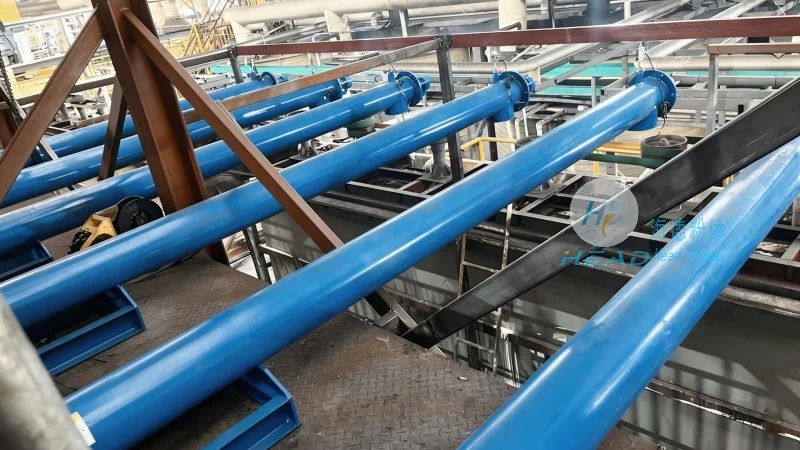
Understanding Pneumatic Conveying Systems
Pneumatic conveying is a method of transporting bulk materials like soybean powder through a pipeline using air or gas as the conveying medium. The system operates by creating a pressure differential to move the material from the source to the destination. The choice between positive and negative pressure systems depends on factors such as material properties, distance, and the need for containment or environmental control.
Positive Pressure Pneumatic Conveying
Positive pressure systems, also known as pressure conveying, operate by blowing air or gas into the conveying line under pressure. The material is drawn into the system by the high-pressure air, which then transports it to the destination. This method is particularly effective for conveying materials over longer distances and for handling materials that are prone to dust or require airtight containment. The high pressure ensures that the material is fully enclosed within the pipeline, minimizing the risk of leaks or environmental contamination.
For soybean powder, positive pressure systems are often preferred when the material needs to be transported to multiple destinations or when the process involves high-volume handling. The consistent pressure ensures reliable material flow, making it suitable for continuous production lines. Additionally, positive pressure systems can handle materials with higher moisture content or those that are more prone to agglomeration, as the high-pressure air helps break up clumps and maintain a consistent flow rate.
Negative Pressure Pneumatic Conveying
Negative pressure systems, or vacuum conveying, work by creating a vacuum in the receiving container or the pipeline. The material is drawn into the system by the low pressure, which pulls it from the source to the destination. This method is typically used for shorter distances and for handling materials that are less abrasive or less prone to dust generation. Negative pressure systems are often chosen when the material is to be collected from a single source and transported to a single destination, as the vacuum helps maintain a controlled flow rate.
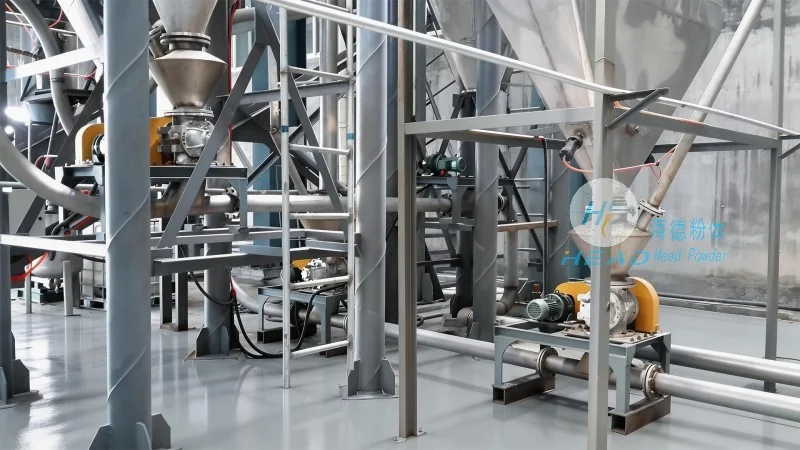
For soybean powder, negative pressure systems are suitable for applications where the material is being collected from a hopper or silo and transported to a processing unit. The vacuum ensures that the material is drawn in gently, reducing the risk of damage to the powder particles. This method is also advantageous when the system needs to be integrated with existing equipment that operates under vacuum conditions, as it allows for seamless compatibility.
Distinguishing Between Positive and Negative Pressure Systems
Differentiating between positive and negative pressure pneumatic conveying systems involves evaluating several key factors. The first consideration is the distance over which the material needs to be conveyed. Positive pressure systems are generally more suitable for longer distances due to their ability to maintain high pressure over extended pipelines. In contrast, negative pressure systems are better suited for shorter distances, as the vacuum may not be sufficient to overcome longer pipeline lengths without excessive energy consumption.
Another critical factor is the material's properties. Positive pressure systems are ideal for materials that are dusty, have high moisture content, or are prone to agglomeration, as the high-pressure air helps maintain flow and prevent blockages. Negative pressure systems, on the other hand, are better for materials that are less abrasive and do not generate significant dust, as the vacuum helps minimize particle breakage and maintain product integrity.
The need for containment and environmental control also plays a role in the choice. Positive pressure systems require airtight seals and proper ventilation to prevent dust emissions, making them suitable for applications where environmental regulations are strict. Negative pressure systems, while also requiring proper sealing, are often used in applications where the material is less hazardous and where the risk of dust exposure is lower.
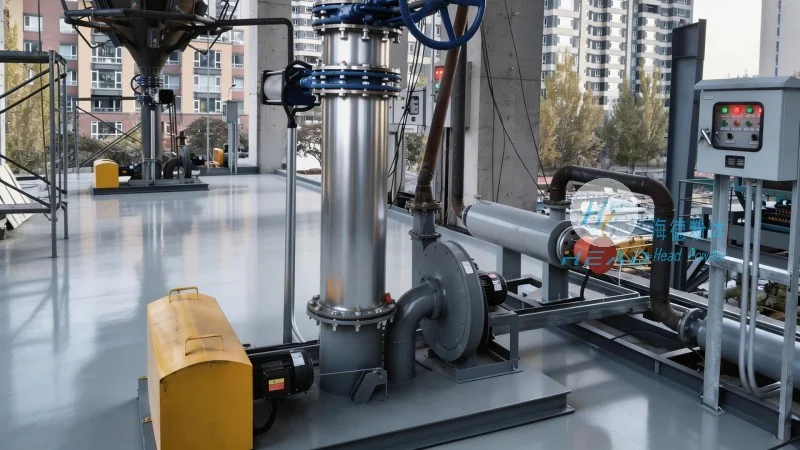
Operational costs and energy efficiency are additional considerations. Positive pressure systems typically consume more energy due to the high-pressure air requirements, but they offer higher throughput and reliability for long-distance transport. Negative pressure systems are generally more energy-efficient for short distances, as the vacuum is created by a smaller motor and requires less power to maintain.
Choosing the Right System for Soybean Powder
When selecting between positive and negative pressure pneumatic conveying systems for soybean powder, it is essential to assess the specific requirements of the application. For example, if the soybean powder needs to be transported over a distance of more than 100 meters and to multiple destinations, a positive pressure system would likely be the better choice due to its ability to maintain consistent pressure and flow. Conversely, if the material is being collected from a single hopper and transported to a processing unit within a short distance of 50 meters or less, a negative pressure system may be more appropriate.
It is also important to consider the overall system design and integration with existing equipment. Positive pressure systems may require additional components such as pressure regulators and filters to ensure consistent performance, while negative pressure systems may need vacuum pumps and dust collection systems to manage the air flow and prevent contamination. The choice should align with the operational goals, such as maximizing throughput, minimizing downtime, and ensuring product quality.
Conclusion
Choosing between positive and negative pressure pneumatic conveying systems for soybean powder involves a careful evaluation of distance, material properties, containment needs, and operational costs. Positive pressure systems offer advantages in long-distance transport and handling of dusty or agglomerated materials, while negative pressure systems are better suited for shorter distances and less abrasive materials. By understanding the key differences and considering the specific requirements of the application, businesses can select the most appropriate system to ensure efficient and reliable soybean powder transport. Whether opting for positive or negative pressure, the goal is to maintain product integrity, minimize environmental impact, and optimize operational performance.