

Choosing Between Positive Pressure and Negative Pressure for Limestone Powder Pneumatic Conveying: H
When it comes to transporting limestone powder via pneumatic systems, selecting the right type of conveying method is crucial for efficiency, cost-effectiveness, and operational safety. Two primary approaches dominate the industry: positive pressure and negative pressure systems. Understanding the distinctions between these two methods is essential for making an informed decision that aligns with specific operational requirements. This article explores the key differences between positive pressure and negative pressure pneumatic conveying for limestone powder, helping you determine which option is best suited for your application.
Understanding Pneumatic Conveying Basics
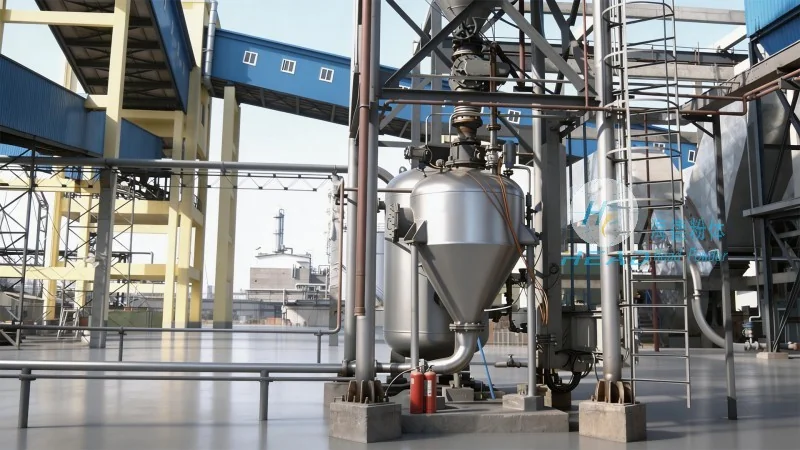
Pneumatic conveying systems use air or gas to transport bulk materials like limestone powder through a pipeline. The primary goal is to move material from a source (such as a storage silo or hopper) to a destination (like a processing plant or storage area) without the need for mechanical components like conveyor belts or buckets. The choice between positive and negative pressure systems depends on factors such as material characteristics, distance, and system complexity.
Positive Pressure Pneumatic Conveying
Positive pressure systems operate by blowing air or gas into the conveying line, creating a pressure higher than the ambient air pressure. The material is carried along with the air stream as it moves through the pipeline. This method is often preferred for short to medium distances and when the material is relatively dry and free-flowing. The high pressure ensures that the material is effectively transported without clogging or segregation issues. A key advantage of positive pressure systems is their ability to handle abrasive materials like limestone powder without excessive wear on the system components. Additionally, they are generally easier to install and maintain compared to negative pressure systems.
Negative Pressure Pneumatic Conveying
Negative pressure systems, also known as suction or vacuum systems, work by creating a vacuum in the conveying line, drawing material into the pipeline along with the air stream. The air is then filtered and released back into the environment. This method is typically used for longer distances or when the material is more dusty or has higher moisture content. Negative pressure systems are effective for handling materials that are prone to dust generation or require a more controlled environment. However, they may be less efficient for very abrasive materials like limestone powder, as the vacuum can lead to increased wear on the suction side of the system. Furthermore, the system may require more powerful vacuum pumps, which can increase operational costs.
Key Differences Between Positive and Negative Pressure Systems
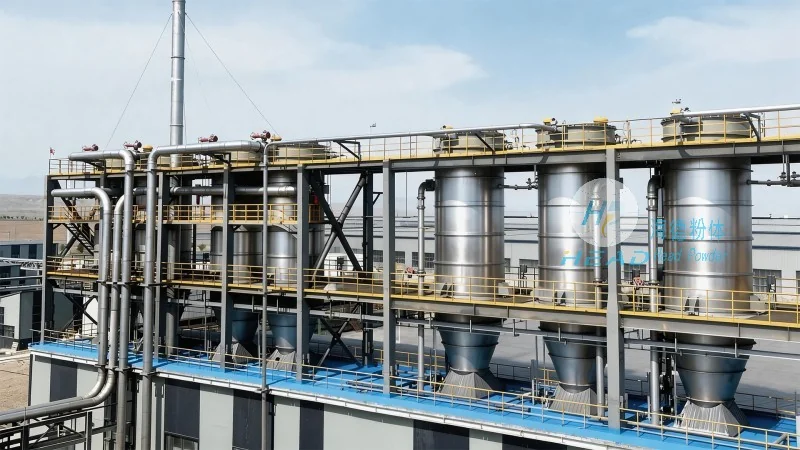
Several factors differentiate positive and negative pressure pneumatic conveying systems. The most significant difference lies in the direction of air flow and the pressure differential. Positive pressure systems push material through the line using compressed air, while negative pressure systems pull material using a vacuum. This affects the system's design, including the type of air movers (blowers or vacuum pumps), the pipeline layout, and the overall energy consumption. Another critical difference is the impact on the environment. Positive pressure systems may require dust collection systems at the discharge point to control emissions, whereas negative pressure systems draw air and material through the pipeline, potentially requiring additional filtration at the intake or discharge points.
Material Characteristics and System Performance
The choice between positive and negative pressure systems is heavily influenced by the properties of the limestone powder being transported. For example, if the limestone powder is very fine and prone to dust, a negative pressure system may be more suitable as it can handle the material more gently and reduce dust dispersion. Conversely, if the material is coarse and abrasive, a positive pressure system may offer better performance due to its ability to handle higher pressures and reduce wear. The system's efficiency also depends on the distance between the source and destination. Positive pressure systems are generally more efficient for shorter distances, while negative pressure systems may be more effective for longer distances due to their ability to maintain suction over greater lengths.
Installation and Maintenance Considerations
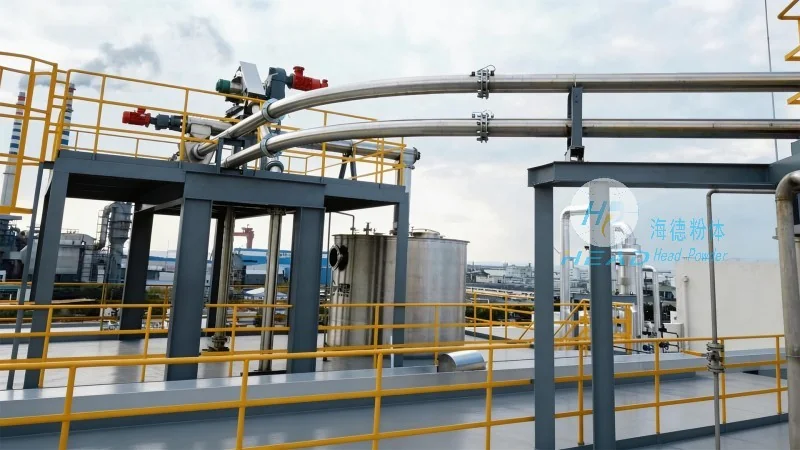
When selecting a pneumatic conveying system for limestone powder, it's essential to consider installation and maintenance requirements. Positive pressure systems are often simpler to install as they do not require extensive vacuum infrastructure. However, they may need additional safety measures to prevent over-pressurization. Negative pressure systems, on the other hand, require careful attention to filtration and air quality to prevent dust buildup and ensure compliance with environmental regulations. Maintenance costs can vary significantly between the two systems. Positive pressure systems may have lower maintenance costs due to fewer moving parts and less wear on components, while negative pressure systems may require more frequent filter changes and pump maintenance.
Case Study: Application in Limestone Powder Handling
Consider a limestone powder processing plant in Shandong, China, where the material is transported from a storage silo to a grinding unit. The plant manager needs to decide between a positive pressure and a negative pressure system. The distance between the silo and the grinding unit is approximately 200 meters, and the limestone powder is relatively dry and free-flowing. A positive pressure system would be a good choice here due to its efficiency for short to medium distances and its ability to handle the abrasive nature of limestone powder. The system would use a high-pressure blower to push the material through the pipeline, ensuring minimal clogging and consistent flow. The plant, operated by Shandong HeadPowder Engineering Co., Ltd., would benefit from the lower installation and maintenance costs associated with positive pressure systems, while still achieving reliable material transport.
Conclusion: Making the Right Choice
Choosing between positive pressure and negative pressure pneumatic conveying for limestone powder requires a careful evaluation of operational needs, material characteristics, and system constraints. Positive pressure systems offer advantages in efficiency, wear resistance, and ease of installation for shorter distances and abrasive materials. Negative pressure systems are better suited for longer distances, dusty materials, or applications requiring a more controlled environment. By understanding the key differences and considering the specific requirements of your limestone powder handling operation, you can select the most appropriate pneumatic conveying system. Whether you opt for a positive or negative pressure system, the goal is to achieve reliable, cost-effective, and safe material transport that meets the demands of your industrial process.