

Choosing Between Positive Pressure and Negative Pressure for Fly Ash Pneumatic Conveying: How to Dis
When it comes to fly ash pneumatic conveying, selecting the right system—whether positive pressure or negative pressure—is crucial for efficiency, cost-effectiveness, and operational safety. This article explores the key differences between these two approaches, helping you make an informed decision for your specific application. As a leading provider in the field, Shandong HeadPowder Engineering Co., Ltd. specializes in designing and implementing customized pneumatic conveying solutions tailored to the unique needs of industrial clients.
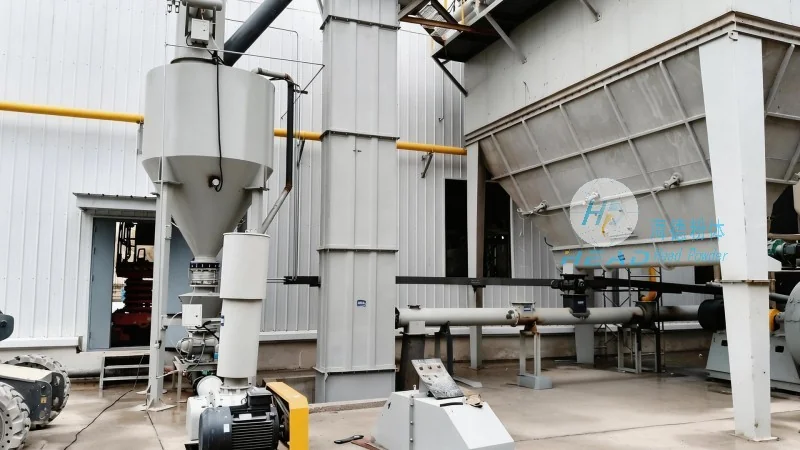
Understanding the Basics of Pneumatic Conveying Systems
Pneumatic conveying is a method of transporting bulk materials like fly ash through a pipeline using air or gas as the conveying medium. The two primary types are positive pressure and negative pressure systems, each with distinct characteristics and applications.
Differentiating Positive Pressure Pneumatic Conveying
Positive pressure systems operate by blowing air or gas into the conveying line, creating a pressure higher than the ambient air pressure. This method pushes the material forward through the pipeline. For fly ash, positive pressure systems are often preferred for long-distance or high-capacity applications due to their ability to handle larger volumes and maintain consistent flow rates. They are also suitable for materials that are prone to settling or caking, as the constant air pressure helps keep the material in suspension.
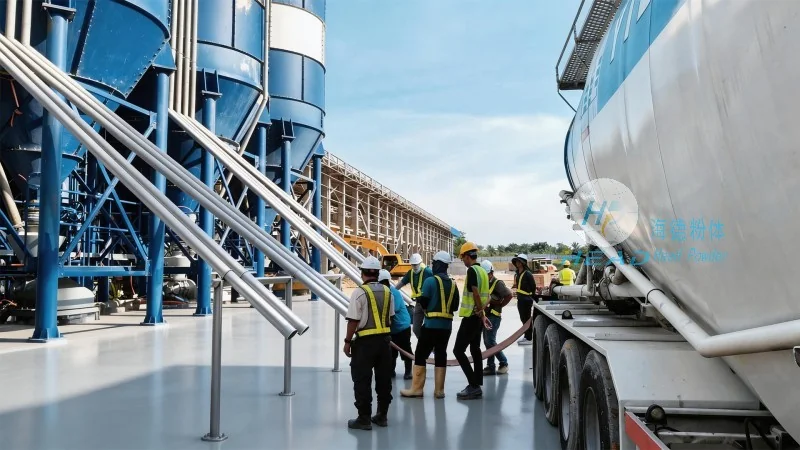
In a positive pressure system, the material is fed into the conveying line at the inlet, and the air is introduced from the blower or compressor at the discharge end. This setup requires a sealed system to prevent dust emissions and maintain pressure. The equipment used includes high-capacity blowers, cyclone separators, and sometimes rotary valves for material feeding. The system is typically more robust and can handle abrasive materials like fly ash without significant wear.
Differentiating Negative Pressure Pneumatic Conveying
Negative pressure systems, also known as suction or vacuum systems, operate by creating a vacuum in the conveying line, drawing the material from the source into the pipeline. The material is pulled through the line by the lower pressure inside the system compared to the ambient air pressure. This method is often used for shorter distances or when the material needs to be collected from multiple points. Negative pressure systems are generally more suitable for handling fine powders that are less likely to settle, as the vacuum helps maintain the material in a suspended state.
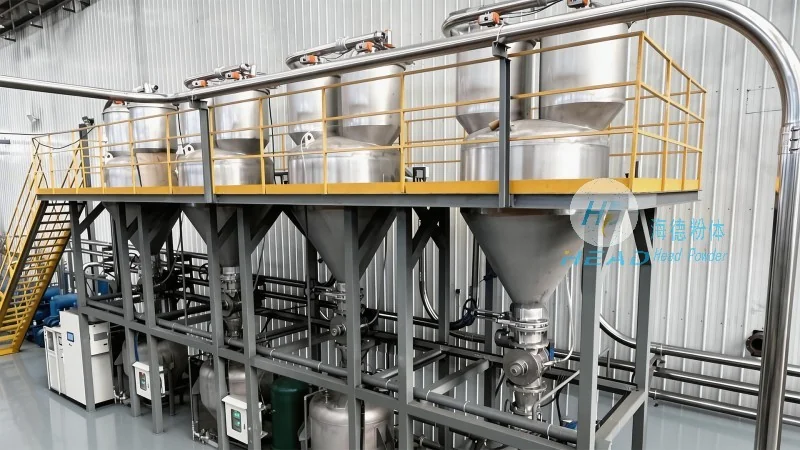
In a negative pressure system, the air is drawn from the conveying line by a vacuum pump or fan located at the discharge end. The material is fed into the inlet, and the vacuum pulls it through the pipeline. This setup is often more compact and can be installed in areas where space is limited. However, negative pressure systems may require more maintenance due to the higher wear on the vacuum equipment and are less efficient for long-distance transport compared to positive pressure systems.
Key Factors to Consider When Choosing a System
When deciding between positive and negative pressure for fly ash pneumatic conveying, several factors should be evaluated. These include the distance of the conveying line, the required material flow rate, the characteristics of the fly ash (such as particle size, moisture content, and abrasiveness), and the available space for equipment installation. Additionally, the cost of equipment, energy consumption, and operational complexity are important considerations.
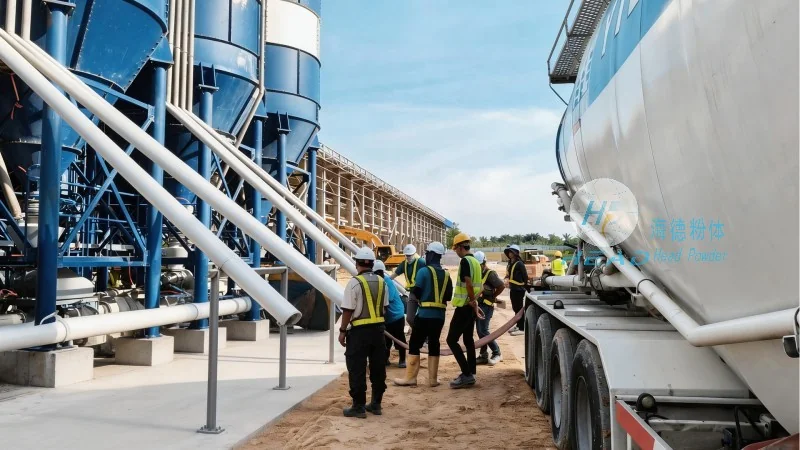
For example, if you need to transport fly ash over a distance of more than 100 meters with a high flow rate, a positive pressure system is likely the better choice due to its higher efficiency and capacity. Conversely, if the conveying distance is short (under 50 meters) and the material is fine and dry, a negative pressure system may be more cost-effective and easier to install.
Conclusion
Choosing between positive pressure and negative pressure for fly ash pneumatic conveying depends on the specific requirements of your application. Positive pressure systems offer higher capacity and efficiency for long-distance transport, while negative pressure systems are more suitable for shorter distances and fine powders. By understanding the characteristics of each system and evaluating your operational needs, you can select the most appropriate solution for your fly ash handling requirements.