

Choosing Positive Pressure or Negative Pressure for PTA Pneumatic Conveying: How to Differentiate?
PTA (Paraxylene Terephthalic Acid) is a critical raw material in the production of polyester fibers and resins. Efficient material handling is essential to maintain production efficiency and reduce operational costs. Pneumatic conveying systems offer a versatile solution for transporting PTA, but the choice between positive pressure and negative pressure systems requires careful consideration. This article explores the key differences and factors that influence the selection of the appropriate system for PTA handling.
Understanding the Core Concepts: Positive Pressure vs. Negative Pressure
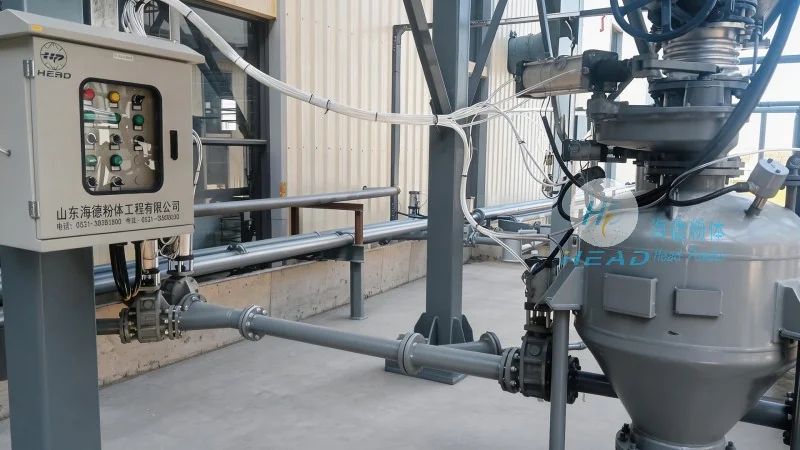
Positive pressure systems operate by blowing air or gas into the conveying line, pushing the material forward. The material is carried in a dense phase, which minimizes particle degradation and reduces wear on equipment. Negative pressure systems, on the other hand, draw material into the system using a vacuum, pulling it through the line. This method is often more suitable for handling fine powders or materials that are sensitive to pressure changes.
Key Factors Influencing the Choice Between Positive and Negative Pressure Systems
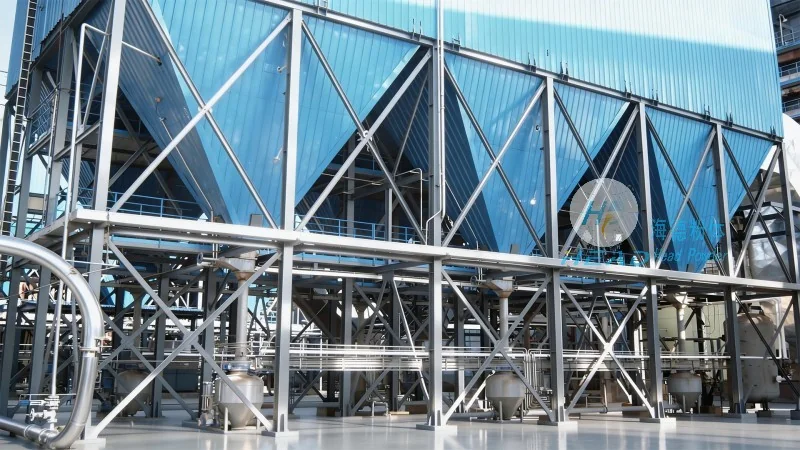
Several factors must be evaluated when deciding between positive and negative pressure for PTA conveying. The first is the material's physical properties, such as particle size, density, and moisture content. PTA particles are typically fine and abrasive, making positive pressure systems advantageous due to their ability to maintain a stable flow and reduce particle breakage. The second factor is the system's layout and distance. Positive pressure systems are generally more suitable for longer conveying distances or complex layouts, as they can maintain pressure throughout the line. Negative pressure systems are better for shorter distances or when the material needs to be collected from multiple points.
Technical Considerations for PTA Material Handling
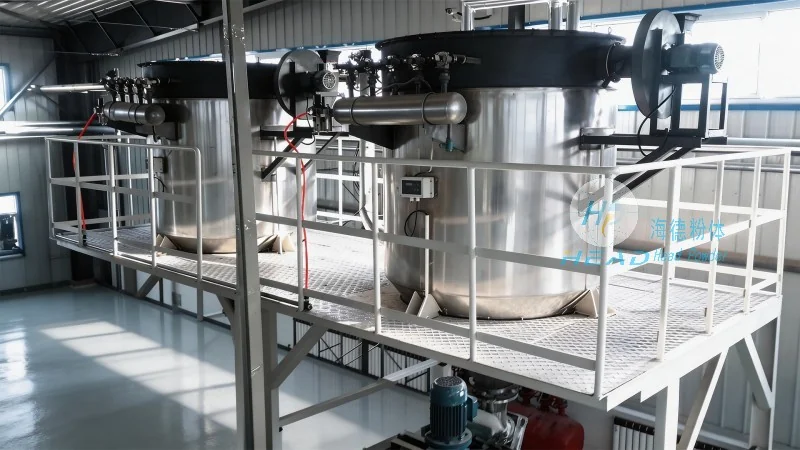
Technical specifications play a crucial role in system performance. Positive pressure systems require robust blower units and high-pressure air compressors to generate sufficient pressure. The blower must be capable of handling the material's density and flow rate. Negative pressure systems rely on vacuum pumps, which need to maintain a consistent vacuum level to ensure material is drawn efficiently. Additionally, the system's design must consider the potential for dust emissions and environmental regulations. Both systems can be equipped with filtration and dust collection systems to comply with environmental standards.
Practical Applications and Real-World Examples
In industrial settings, positive pressure systems are commonly used for PTA transport in large-scale production facilities. For example, a major polyester manufacturer in China uses a positive pressure system to convey PTA from storage silos to processing units over a distance of 200 meters. The system has reduced material handling time by 30% and minimized product degradation. Conversely, a negative pressure system is employed in a smaller plant where PTA is collected from multiple sampling points and transported to a central storage area. This setup has improved material recovery rates and reduced labor costs.
Conclusion and Recommendations
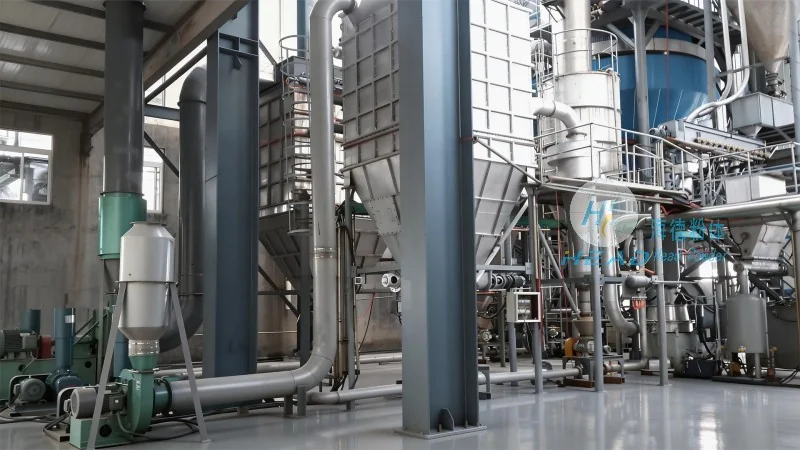
Choosing between positive and negative pressure for PTA pneumatic conveying depends on specific operational requirements and material characteristics. Positive pressure systems are generally preferred for their efficiency, reliability, and ability to handle abrasive materials like PTA. However, negative pressure systems offer advantages in certain applications, such as handling fine powders or when space constraints limit the use of positive pressure equipment. When selecting a system, it is essential to consult with experts and consider factors such as material properties, system layout, and operational costs. By making an informed decision, manufacturers can optimize their PTA handling processes and enhance overall production efficiency.