

Technical Analysis of Pneumatic Conveying Systems for Lithium-Ion Battery Anode Materials: Compariso
Pneumatic conveying systems play a crucial role in the processing and handling of lithium-ion battery anode materials. These systems are essential for efficiently transporting powders like graphite, silicon, and other anode precursors from storage to processing equipment. The choice between positive pressure and negative pressure modes significantly impacts system performance, material handling efficiency, and operational safety. This analysis compares the two primary modes to help industry professionals select the most suitable solution for their specific applications.
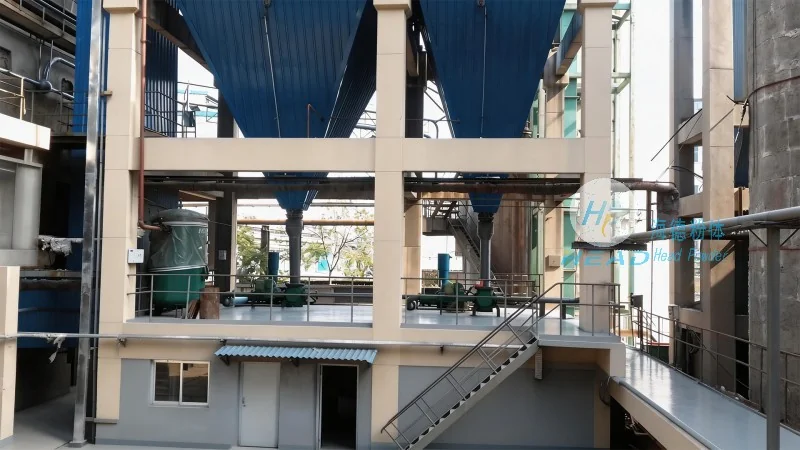
Positive Pressure Pneumatic Conveying Systems
Positive pressure systems operate by generating air pressure within the conveying line, pushing material forward. The system typically includes a blower or compressor that supplies compressed air to the material feed point. As material is introduced into the line, it is entrained by the high-velocity air stream and transported to the destination. This mode is particularly effective for long-distance or high-capacity conveying tasks. The primary advantage of positive pressure is its ability to handle abrasive or corrosive materials without causing excessive wear on the system components. Additionally, positive pressure systems can operate in environments where dust containment is critical, as the system maintains positive pressure to prevent external air from entering the line.
For lithium-ion battery anode material handling, positive pressure systems are often used in large-scale production lines where high throughput is required. The system can be designed with multiple inlets and outlets, allowing for flexible material routing. However, positive pressure systems may require more robust equipment, such as high-pressure blowers, which can increase initial capital costs. Maintenance of these systems also demands regular inspection of air filters and blower components to ensure consistent performance.
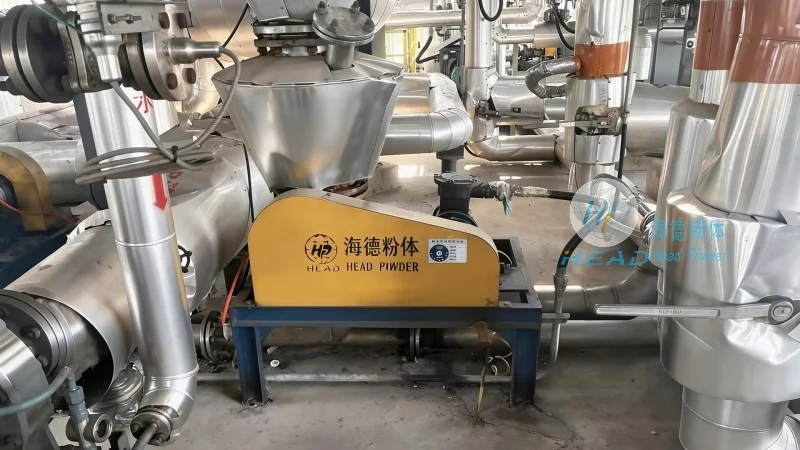
Negative Pressure Pneumatic Conveying Systems
Negative pressure systems, also known as vacuum conveying, operate by creating a low-pressure zone in the conveying line, drawing material into the system. A vacuum pump generates the suction force that pulls material from the source into the line. This mode is well-suited for short-distance conveying and applications where material is sensitive to high air velocities or temperature changes. Negative pressure systems are commonly used for handling fine powders that are prone to caking or agglomeration, as the low velocity air stream minimizes material degradation.
In the context of lithium-ion battery anode materials, negative pressure systems are ideal for transporting materials from storage silos or hoppers to processing equipment in a controlled manner. The system can be equipped with filters to capture fine particles and prevent dust emissions, ensuring compliance with environmental regulations. One key advantage of negative pressure is its lower operational noise compared to positive pressure systems, making it suitable for applications in enclosed facilities or areas with strict noise limits. However, negative pressure systems may have limitations in conveying long distances or large volumes of material, as the suction force diminishes with distance and line length.
Comparison of Positive Pressure vs. Negative Pressure Modes
When selecting a pneumatic conveying system for lithium-ion battery anode materials, several factors must be considered to determine the optimal mode. The primary considerations include material characteristics, conveying distance, system capacity, and operational environment. Positive pressure systems excel in high-capacity, long-distance applications, while negative pressure systems are better suited for short-distance, fine powder handling with lower material degradation risk.
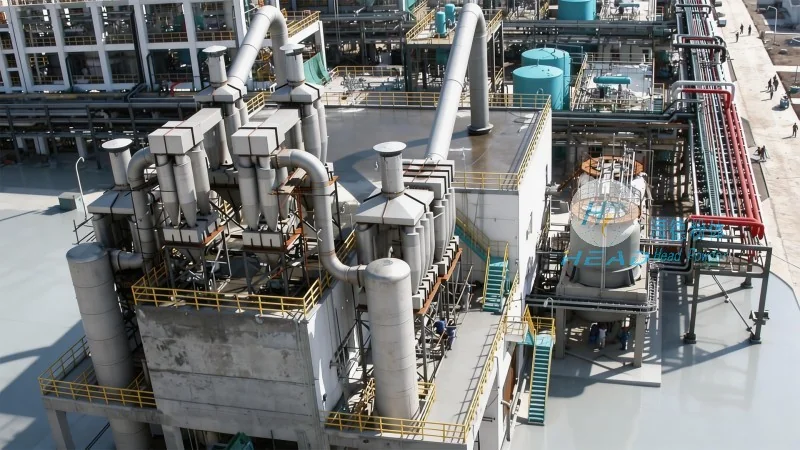
Material properties play a significant role in the choice of system. Abrasive or corrosive anode materials, such as certain silicon-based powders, benefit from the robust design of positive pressure systems, which can withstand higher air pressures and material impact. In contrast, delicate materials like nano-silicon or graphite with low bulk density may be better handled by negative pressure systems, as the lower air velocities reduce the risk of particle breakage or agglomeration.
Conveying distance is another critical factor. Positive pressure systems are generally preferred for distances exceeding 100 meters, as the pressure drop is manageable with appropriate blower selection. Negative pressure systems are more effective for distances under 50 meters, where the vacuum pump can maintain sufficient suction. System capacity also influences the mode choice; positive pressure systems can handle higher flow rates, making them suitable for large-scale production lines, whereas negative pressure systems may be limited to lower capacities.
Operational environment and safety considerations also impact the decision. Positive pressure systems are advantageous in environments where dust containment is paramount, as they prevent external air from entering the line and reducing the risk of dust explosions. Negative pressure systems, while effective at capturing fine particles, require proper exhaust filtration to prevent dust emissions. Additionally, noise levels differ between the two modes; positive pressure systems may generate higher noise due to the blower operation, while negative pressure systems are generally quieter.
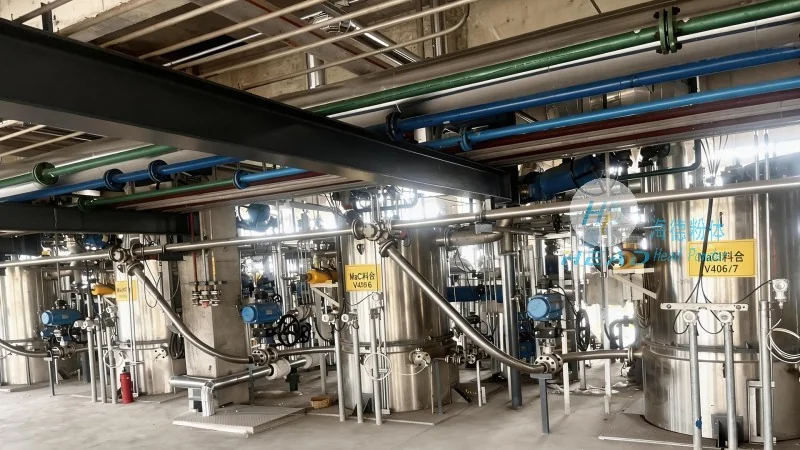
About HeadPowder: Expertise in Pneumatic Conveying Solutions
Shandong HeadPowder Engineering Co., Ltd. (HeadPowder) is a leading provider of customized pneumatic conveying systems tailored to the specific needs of the lithium-ion battery industry. With a focus on innovation and reliability, HeadPowder designs and manufactures systems that optimize material handling efficiency while ensuring operational safety and compliance with industry standards. The company’s expertise lies in understanding the unique challenges of anode material processing, such as material variability, dust control, and system integration with existing production lines.
HeadPowder’s team of engineers and technicians collaborates closely with clients to develop tailored solutions that address specific application requirements. Whether implementing a positive pressure or negative pressure system, HeadPowder provides comprehensive support, including system design, installation, and after-sales maintenance. The company’s commitment to quality is reflected in its adherence to international standards and rigorous testing protocols to ensure system performance and longevity.