

Technical Analysis of Organic Fertilizer Granule Pneumatic Conveying Systems: Comparison of Positive
Organic fertilizer granules are a critical component in modern agricultural practices, providing essential nutrients to soil and promoting sustainable crop growth. The efficient and reliable transport of these granules from production sites to storage or application areas is a key challenge for manufacturers. Pneumatic conveying systems have emerged as a preferred solution, offering a dust-free, low-maintenance, and flexible method for handling bulk materials. This article provides a technical analysis of two primary pneumatic conveying modes—positive pressure and negative pressure—used in organic fertilizer granule handling, with a focus on their operational principles, advantages, and practical applications.
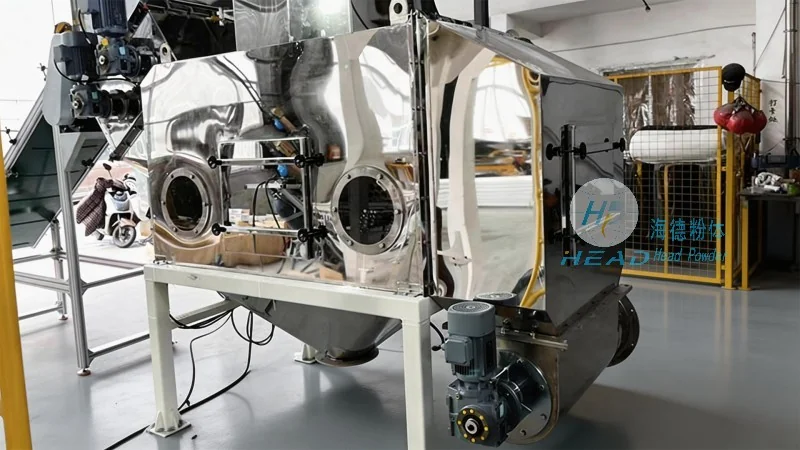
About HeadPowder: Expert in Pneumatic Conveying Solutions
HeadPowder, a leading manufacturer based in Shandong, China, specializes in the design, development, and production of advanced pneumatic conveying systems tailored for the agricultural and chemical industries. With a strong commitment to innovation and quality, HeadPowder has established itself as a trusted partner for companies seeking efficient material handling solutions. The company’s headquarters is located in Shandong, China, where its research and development teams continuously work to enhance the performance and reliability of its products. HeadPowder’s expertise lies in customizing systems to meet the specific needs of clients, ensuring optimal performance in diverse operational environments.
Positive Pressure Conveying Mode: Operational Principles and Advantages
Positive pressure conveying systems operate by generating air pressure within the conveying line, typically using a positive displacement blower or a centrifugal fan. The air is forced through the pipeline, carrying the organic fertilizer granules along with it. This mode is characterized by its ability to handle a wide range of particle sizes and moisture contents, making it suitable for various types of organic fertilizers. One of the key advantages of positive pressure systems is their high conveying capacity, which allows for the efficient transport of large volumes of granules over long distances. Additionally, these systems are generally more resistant to blockages and can handle abrasive materials without significant wear on components. The positive pressure mode is particularly effective in applications where the material needs to be conveyed from a central point to multiple destinations, as it can distribute the material to several branches from a single source.
Negative Pressure Conveying Mode: Operational Principles and Advantages
Negative pressure conveying systems, also known as suction systems, work by creating a vacuum within the conveying line. The vacuum draws the organic fertilizer granules into the pipeline, where they are carried by the air flow. This mode is often preferred for applications requiring the collection of material from multiple points or for handling materials that are sensitive to pressure changes. The negative pressure system is particularly effective in environments where dust control is a priority, as the suction process inherently reduces airborne particles. Another advantage of negative pressure conveying is its lower energy consumption compared to positive pressure systems, especially for short to medium conveying distances. However, negative pressure systems may be more susceptible to blockages if the material contains large or wet particles, and they typically require more frequent maintenance to prevent dust accumulation and wear.
Comparison of Positive and Negative Pressure Conveying Modes
When selecting between positive and negative pressure pneumatic conveying systems for organic fertilizer granules, several factors must be considered. The choice depends on the specific application requirements, such as the distance to be covered, the volume of material to be transported, and the characteristics of the granules (e.g., size, moisture content, and abrasiveness). Positive pressure systems are generally more suitable for long-distance conveying and high-volume applications, as they can maintain consistent air pressure and prevent material degradation. In contrast, negative pressure systems are ideal for short to medium distances and for handling materials that are sensitive to pressure or require dust control. The cost of implementation is another critical factor: positive pressure systems may require more powerful equipment and higher energy consumption, while negative pressure systems can be more economical for shorter distances. Additionally, the maintenance requirements differ, with positive pressure systems needing regular checks on the blower and pipeline integrity, and negative pressure systems requiring more attention to filter and vacuum pump maintenance.
Conclusion: Choosing the Right Pneumatic Conveying System
Both positive pressure and negative pressure pneumatic conveying modes offer effective solutions for handling organic fertilizer granules, each with its own set of advantages and limitations. The selection of the appropriate system depends on the specific operational needs of the client. For applications requiring high capacity and long-distance transport, positive pressure systems are often the preferred choice. For applications where dust control and short-distance transport are priorities, negative pressure systems may be more suitable. HeadPowder, with its expertise in pneumatic conveying technology, provides customized solutions that cater to these diverse requirements, ensuring optimal performance and reliability in organic fertilizer handling. By understanding the operational principles and advantages of each mode, manufacturers can make informed decisions to enhance their material handling processes and improve overall efficiency.