

Technical Analysis of a Hygroscopic Sodium Nitrate Pneumatic Conveying System: Comparison of Positiv
For industries dealing with hygroscopic materials like sodium nitrate, efficient and reliable material handling is crucial. The pneumatic conveying system, especially for such moisture-sensitive substances, requires careful selection of the conveying mode. This article provides a technical analysis of a hygroscopic sodium nitrate pneumatic conveying system, focusing on the comparison between positive and negative pressure conveying modes to help users make informed decisions.
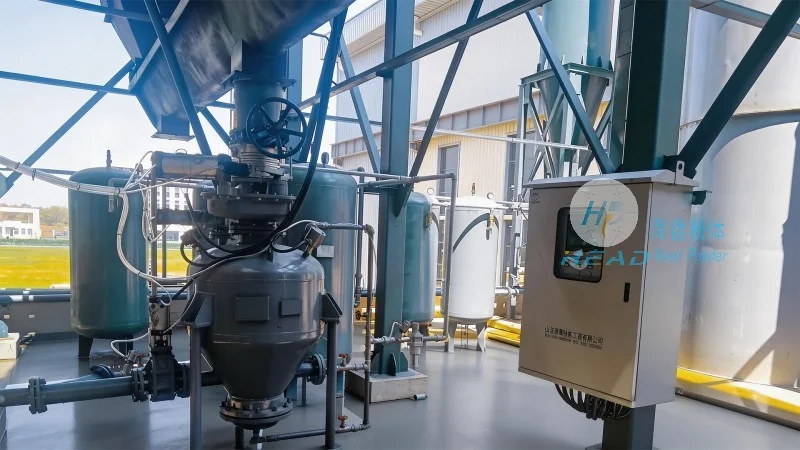
Understanding Hygroscopic Sodium Nitrate and Its Handling Challenges
Hygroscopic sodium nitrate is a chemical compound that readily absorbs moisture from the air, leading to clumping, caking, and reduced flowability. Traditional handling methods such as belt conveyors or bucket elevators may not be suitable due to the material's tendency to stick and degrade. Pneumatic conveying offers a solution by transporting the material in a closed system using air, minimizing exposure to ambient conditions and preventing contamination.
Positive Pressure Conveying Mode: Advantages and Applications
Positive pressure conveying, also known as pressure pneumatic conveying, operates by blowing air into the conveying line, creating a pressure higher than the ambient air. This method is effective for short to medium distance transport and is suitable for materials that are non-abrasive and have good flow characteristics. In the context of hygroscopic sodium nitrate, positive pressure systems can maintain the material's dryness by preventing external moisture ingress. The system typically includes a blower, a hopper with a feeder, and a discharge point. The air flow is directed through the material, lifting and transporting it to the destination. This mode is particularly advantageous when the material needs to be conveyed from a central storage to multiple processing points, as it allows for branching and distribution.
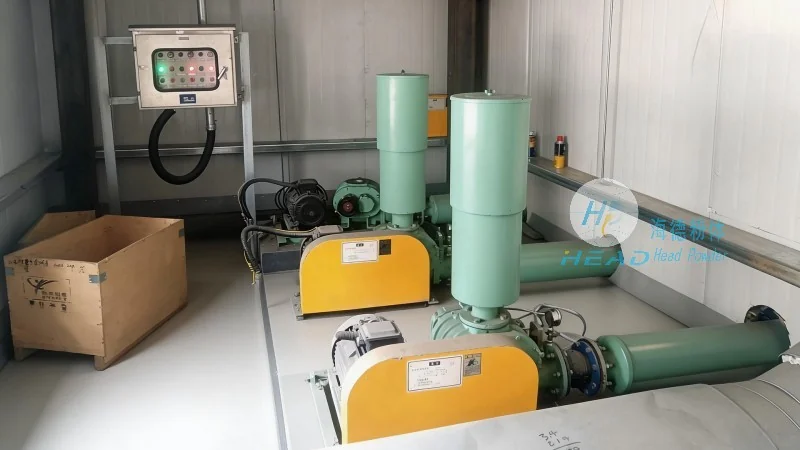
Negative Pressure Conveying Mode: Advantages and Applications
Negative pressure conveying, or vacuum pneumatic conveying, works by creating a vacuum in the conveying line, drawing material from the source into the system. This method is ideal for long-distance transport and is commonly used when the material is to be moved from multiple points to a central location. For hygroscopic sodium nitrate, negative pressure systems are beneficial for collecting material from various sources, such as storage silos or processing units, and transporting it to a central storage or processing facility. The vacuum helps in maintaining the material's integrity by reducing the risk of exposure to air and moisture. The system consists of a vacuum pump, a hopper with a feeder, and a collection point. The material is drawn into the line by the vacuum, and the air is filtered and discharged to the atmosphere. This mode is particularly useful in environments where dust control is critical, as the system is enclosed and the air is filtered.
Comparison of Positive and Negative Pressure Conveying for Hygroscopic Sodium Nitrate
When selecting between positive and negative pressure conveying for hygroscopic sodium nitrate, several factors must be considered. The distance of the transport, the number of pickup points, the material's flowability, and the need for dust control are key considerations. Positive pressure systems are generally more suitable for short to medium distances and when the material is to be distributed from a central point. They are also easier to install and maintain as they do not require complex vacuum equipment. Negative pressure systems, on the other hand, are better for long distances and when multiple pickup points are involved. They offer better dust control and are more efficient for collecting material from various sources. However, they require more sophisticated equipment and higher maintenance due to the vacuum pump and filtration system.
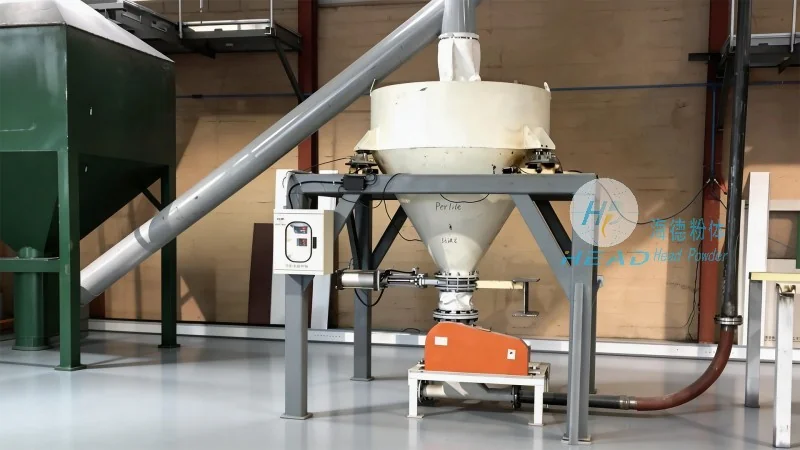
Key Components of a Hygroscopic Sodium Nitrate Pneumatic Conveying System
Both positive and negative pressure systems consist of several critical components that ensure efficient operation. The primary components include a blower or vacuum pump, a hopper with a feeder, a conveying line, and a discharge or collection system. The blower or vacuum pump provides the necessary air flow to move the material. The hopper and feeder are designed to feed the material into the system at a controlled rate, preventing blockages and ensuring consistent flow. The conveying line is typically made of materials resistant to corrosion and abrasion, such as stainless steel or polyethylene, to withstand the hygroscopic nature of sodium nitrate. The discharge or collection system is where the material is released from the system, either into a storage silo or a processing unit. In addition, filtration systems are often included to remove dust and particles from the air, ensuring compliance with environmental regulations and maintaining the material's quality.
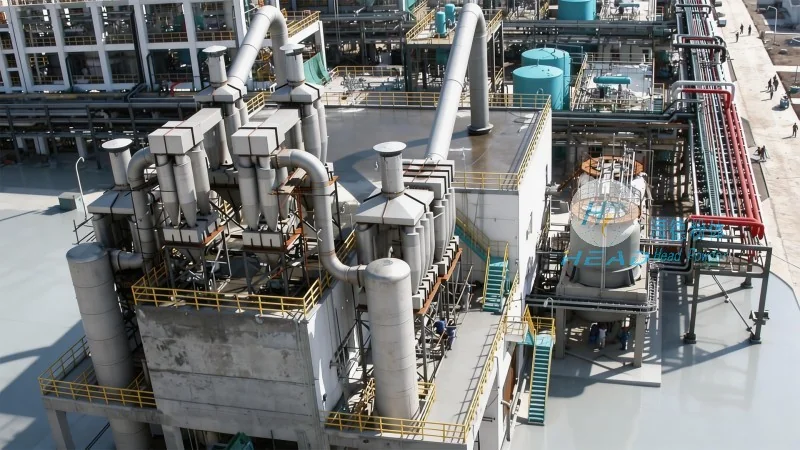
Case Study: Application of a Hygroscopic Sodium Nitrate Pneumatic Conveying System by Shandong HeadPowder Engineering Co., Ltd.
Shandong HeadPowder Engineering Co., Ltd., a leading provider of material handling solutions, has successfully implemented a hygroscopic sodium nitrate pneumatic conveying system for a client in the chemical industry. The system was designed to transport sodium nitrate from a storage silo to a processing plant over a distance of 500 meters. The client required a solution that could maintain the material's dryness and prevent caking, as the sodium nitrate was used in the production of fertilizers. The system was configured as a positive pressure conveying mode due to the short distance and the need for distribution to multiple processing points. The components included a high-efficiency blower, a stainless steel hopper with a rotary feeder, and a flexible conveying line. The system was installed and commissioned by the company's technical team, who provided on-site training and maintenance support. The client reported significant improvements in material handling efficiency, reduced downtime due to caking, and improved product quality. The system has been in operation for over two years, demonstrating the effectiveness of the positive pressure conveying mode for hygroscopic sodium nitrate.
Conclusion and Recommendations
When dealing with hygroscopic sodium nitrate, the choice between positive and negative pressure pneumatic conveying modes depends on the specific application requirements. Positive pressure systems are suitable for short to medium distances and central distribution, while negative pressure systems are better for long distances and multiple pickup points. Both modes offer advantages in maintaining the material's quality and ensuring efficient transport. It is recommended to conduct a thorough analysis of the transport distance, material flow characteristics, and environmental factors before selecting a conveying mode. Additionally, working with a reputable company like Shandong HeadPowder Engineering Co., Ltd., which specializes in material handling solutions, can ensure the selection and implementation of an appropriate system that meets the specific needs of the application.