

Technical Analysis of Silica Powder Pneumatic Conveying Systems: Comparison of Positive Pressure vs.
Silica powder, a widely used industrial material in sectors such as construction, electronics, and pharmaceuticals, requires efficient and reliable transportation methods to maintain product quality and operational efficiency. Pneumatic conveying systems have emerged as a critical solution for handling silica powder, offering advantages over traditional methods like bulk handling and manual transport. This article provides a technical analysis of pneumatic conveying systems for silica powder, focusing on the comparison between positive pressure and negative pressure conveying modes. The insights shared are based on the expertise of Shandong HeadPowder Engineering Co., Ltd., a leading provider in the field.
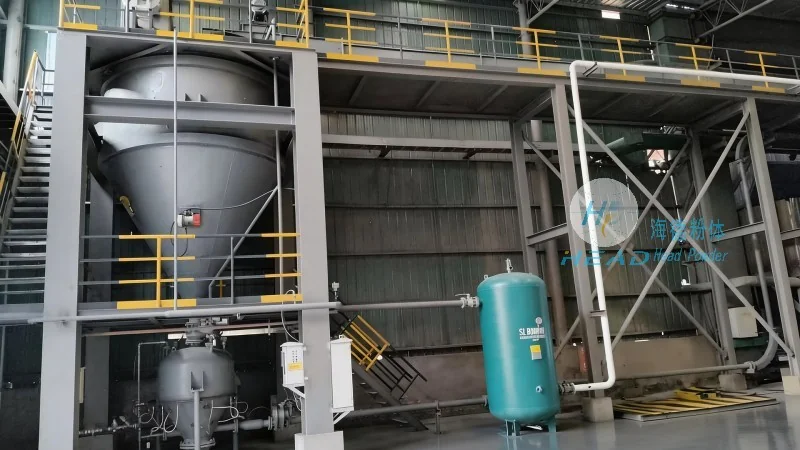
Company Overview: HeadPowder
Shandong HeadPowder Engineering Co., Ltd., operating under the brand name HeadPowder, specializes in the design, manufacturing, and installation of advanced pneumatic conveying systems. With a strong presence in China, particularly in Shandong province, the company has built a reputation for delivering high-quality solutions tailored to the unique needs of silica powder handling. HeadPowder's commitment to innovation and customer satisfaction has positioned it as a trusted partner for industries relying on consistent and efficient material transport.
Understanding Pneumatic Conveying Modes
Pneumatic conveying systems utilize air or gas to transport solid materials like silica powder through a pipeline network. The two primary modes are positive pressure and negative pressure, each with distinct characteristics and applications. Understanding these modes is essential for selecting the most suitable system for a specific silica powder handling operation.
Positive Pressure Conveying Mode
Positive pressure conveying operates by blowing air or gas into the conveying line, creating a pressure higher than the ambient air pressure. This method propels the silica powder forward through the pipeline. Key features of positive pressure systems include:
- Continuous flow of material, ensuring a steady supply to the destination.
- Ability to handle long distances and multiple transfer points without significant pressure loss.
- Reduced risk of material degradation due to controlled air flow and temperature management.
- Compatibility with various silica powder types, including fine powders that are prone to caking or agglomeration.
Positive pressure systems are particularly effective in applications where the receiving point is at a higher elevation than the source, as the system can generate sufficient pressure to overcome gravitational forces. They are also suitable for handling abrasive or corrosive silica powders, as the enclosed pipeline prevents direct contact with the environment.
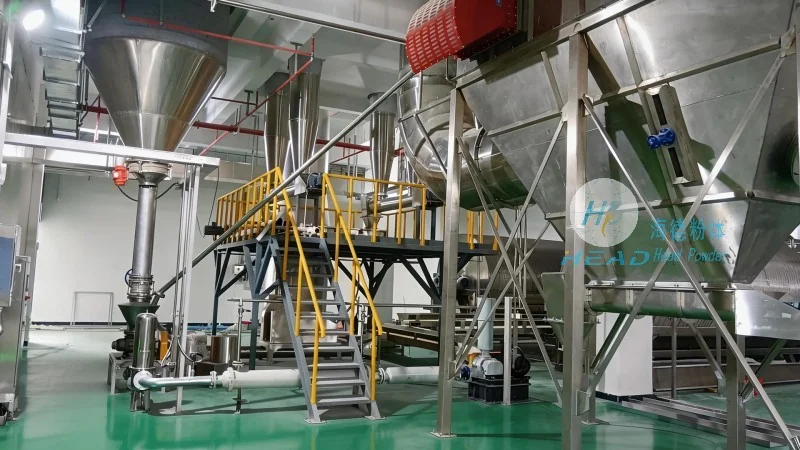
Negative Pressure Conveying Mode
Negative pressure conveying, also known as suction conveying, works by creating a vacuum in the conveying line, drawing silica powder from the source into the system. The air and powder mixture is then transported to the destination, where the powder is separated from the air. This mode is characterized by:
- Lower operating costs compared to positive pressure systems, as it requires less energy to maintain the vacuum.
- Ability to handle materials from open sources, such as hoppers or storage silos, without the need for sealed containers.
- Reduced risk of dust emissions at the source, as the material is drawn into the system rather than being expelled.
- Suitability for short to medium distance transfers, typically up to a few hundred meters.
However, negative pressure systems have limitations, including lower conveying capacity compared to positive pressure systems and potential issues with material clogging in the suction line. They are best suited for applications where the source and destination are close together and the material is relatively dry and non-abrasive.
Comparison: Positive Pressure vs. Negative Pressure Conveying
When selecting a pneumatic conveying system for silica powder, the choice between positive and negative pressure modes depends on several factors, including the distance between the source and destination, the volume of material to be transported, the characteristics of the silica powder (e.g., fineness, moisture content), and the available infrastructure. A detailed comparison of the two modes is essential to make an informed decision.
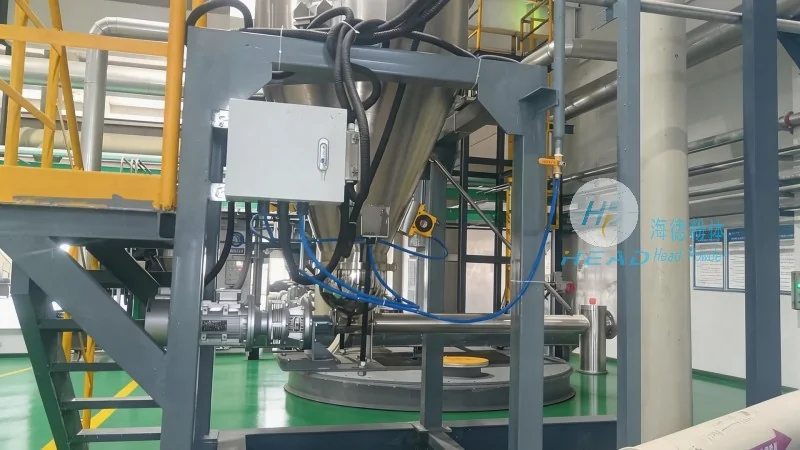
Key Differences:
- Pressure Level: Positive pressure systems operate at pressures above atmospheric, while negative pressure systems operate at pressures below atmospheric.
- Material Handling Capacity: Positive pressure systems generally have higher conveying capacities, making them suitable for large-scale operations.
- Energy Consumption: Negative pressure systems are more energy-efficient for short distances, whereas positive pressure systems may require more energy for long-distance transfers.
- Installation Complexity: Positive pressure systems may require more complex piping and pressure control equipment, while negative pressure systems are simpler to install but have limitations in terms of distance and capacity.
Application Suitability: Positive pressure systems are preferred for long-distance, high-volume silica powder transport, especially when the receiving point is at a higher elevation. Negative pressure systems are ideal for short-distance, low-volume applications where the source is open and the material is dry.
Factors Influencing the Choice of Conveying Mode
Several factors should be considered when choosing between positive and negative pressure conveying modes for silica powder. These include:
- Distance and Elevation: Longer distances and higher elevations favor positive pressure systems due to their ability to maintain pressure and overcome gravitational forces.
- Material Characteristics: Fine, dry, and non-abrasive silica powders are well-suited for both modes, but positive pressure may be preferred for materials prone to caking or agglomeration.
- Environmental Regulations: Negative pressure systems are often chosen to minimize dust emissions at the source, which is a critical consideration in industries with strict environmental standards.
- Operational Costs: Energy consumption and maintenance costs play a significant role in the decision-making process. Positive pressure systems may have higher initial costs but lower long-term maintenance expenses, while negative pressure systems have lower initial costs but higher energy costs.
Conclusion
Both positive pressure and negative pressure pneumatic conveying modes offer viable solutions for transporting silica powder, each with its own advantages and limitations. The choice of system depends on the specific requirements of the application, including distance, material characteristics, and operational constraints. Shandong HeadPowder Engineering Co., Ltd. provides comprehensive technical support and customized solutions to help clients select the most appropriate pneumatic conveying system for their silica powder handling needs. By leveraging the expertise of HeadPowder, industries can enhance their operational efficiency, maintain product quality, and ensure compliance with industry standards.