

Choosing Between Positive Pressure and Negative Pressure for PTFE Pneumatic Conveying: How to Distin
When it comes to handling PTFE (Polytetrafluoroethylene) materials, selecting the right pneumatic conveying system is crucial for efficiency, material integrity, and operational safety. PTFE is known for its non-stick, chemical-resistant, and high-temperature properties, making it widely used in industries such as aerospace, electronics, and chemical processing. However, the choice between positive pressure and negative pressure conveying systems can significantly impact the performance and suitability of the process. This article aims to guide you through the key factors to consider when choosing between these two methods, helping you make an informed decision for your PTFE handling needs.
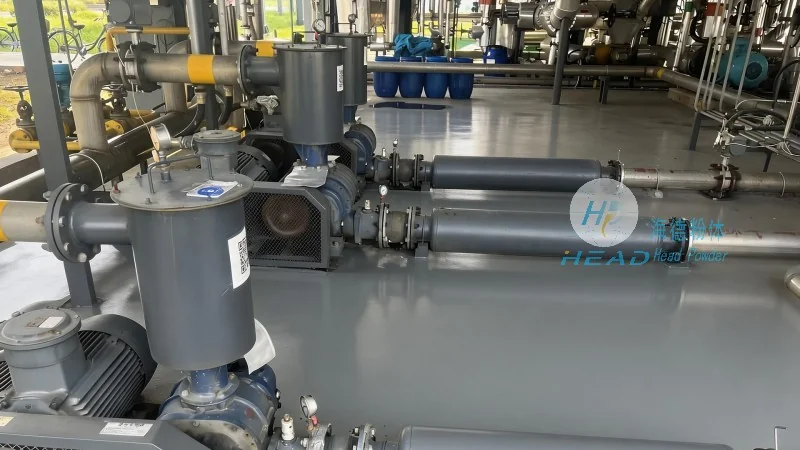
What is PTFE Pneumatic Conveying?
PTFE pneumatic conveying involves transporting dry bulk materials, including PTFE powders or granules, using air or gas as the conveying medium. The system typically consists of a hopper, a conveyor line, and a receiver, with the material being carried by the airflow. The primary goal is to move the material from the source to the destination without degradation or contamination. PTFE, being a fine powder or granule, requires careful handling to prevent agglomeration and ensure consistent flow.
Positive Pressure Conveying: Advantages and Applications
Positive pressure conveying, also known as pressure pneumatic conveying, operates by blowing air or gas into the conveying line, creating a pressure higher than the ambient air. This method is particularly effective for transporting PTFE materials that are sensitive to moisture or require a controlled environment. One of the main advantages of positive pressure systems is their ability to handle materials with high moisture content or those that are prone to caking. The pressurized air helps maintain the material in a dry state, preventing clumping and ensuring smooth transport. Additionally, positive pressure systems are well-suited for long-distance conveying, as the pressure can be maintained along the entire line. They are also ideal for applications where the material needs to be delivered to a specific location, such as a processing plant or storage facility. The system is typically more robust and can handle higher material loads compared to negative pressure systems.
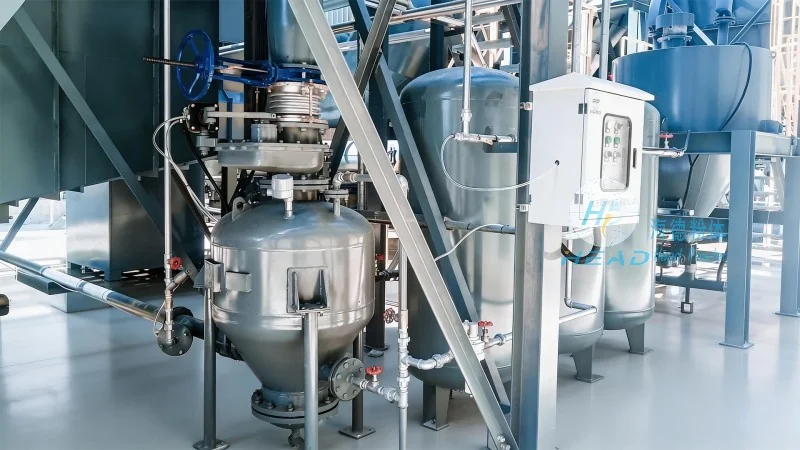
Negative Pressure Conveying: Advantages and Applications
Negative pressure conveying, or vacuum pneumatic conveying, operates by creating a vacuum in the conveying line, drawing the material into the system. This method is often preferred for applications where the material is to be collected from a dispersed source, such as a production line or a storage bin. Negative pressure systems are particularly useful for handling PTFE materials that are lightweight and may be easily disturbed by external factors. The vacuum helps to capture the material without the need for direct contact, reducing the risk of contamination or damage. Another advantage of negative pressure conveying is its ability to handle materials with low bulk density, as the vacuum can effectively pull the material into the line. However, negative pressure systems are generally less suitable for long-distance conveying, as the pressure drop can reduce the conveying efficiency over longer distances. They are also more prone to clogging if the material is not properly conditioned before transport.
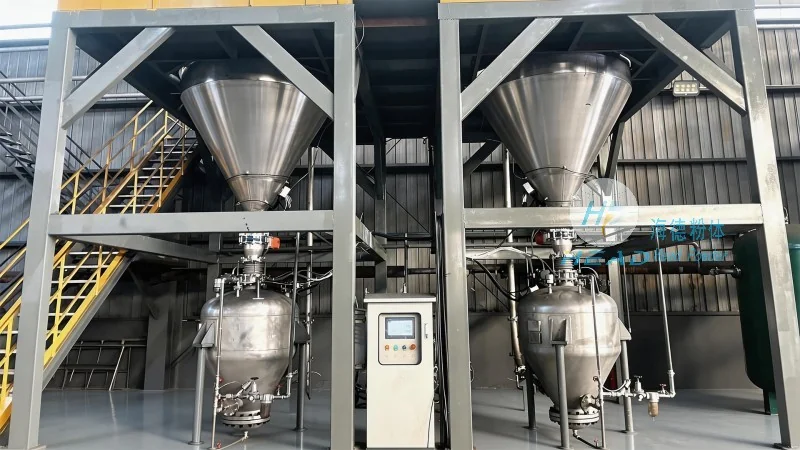
Key Factors to Consider When Choosing Between Positive and Negative Pressure Conveying for PTFE
When deciding between positive and negative pressure conveying for PTFE materials, several factors should be taken into account. The first is the material's properties, such as its moisture content, bulk density, and tendency to agglomerate. PTFE powders are often hygroscopic and can absorb moisture, making positive pressure systems more suitable to maintain dryness. The second factor is the distance between the source and destination. Positive pressure systems are better for long-distance transport, while negative pressure is more effective for short distances or when the material is to be collected from multiple points. The third factor is the operational environment, including the need for containment and safety. Positive pressure systems require sealed enclosures to prevent dust emissions, while negative pressure systems may need additional filtration to ensure air quality. The cost of the system is also a consideration, as positive pressure systems are generally more expensive due to the need for high-pressure air compressors, whereas negative pressure systems use vacuum pumps, which can be more cost-effective for smaller applications.
How to Distinguish Between the Two Systems
Distinguishing between positive and negative pressure pneumatic conveying systems for PTFE materials involves understanding the basic principles of each method. Positive pressure systems are characterized by the presence of a blower or compressor that supplies pressurized air into the conveying line. The air pressure is higher than the ambient air, and the material is pushed through the line. In contrast, negative pressure systems use a vacuum pump to create a low-pressure environment, drawing the material into the line. Visual cues can also help in identification: positive pressure systems often have visible air outlets or exhaust vents, while negative pressure systems may have inlet ports for air intake. Additionally, the system layout differs, with positive pressure systems having a single inlet and multiple outlets, and negative pressure systems having multiple inlets and a single outlet. It is also important to check the pressure readings on the system, as positive pressure systems will show higher pressure values, while negative pressure systems will show lower or negative pressure values.