

Choosing Between Positive Pressure and Negative Pressure for Sintered Fly Ash Pneumatic Conveying? H
Sintered fly ash, a byproduct of the sintering process in the cement and steel industries, is a valuable material that requires efficient and reliable transportation methods. Pneumatic conveying is a common technique used to move this fine powder, and the choice between positive pressure and negative pressure systems can significantly impact the overall performance, cost, and safety of the operation. Understanding the differences between these two approaches is crucial for selecting the most suitable system for your specific application.
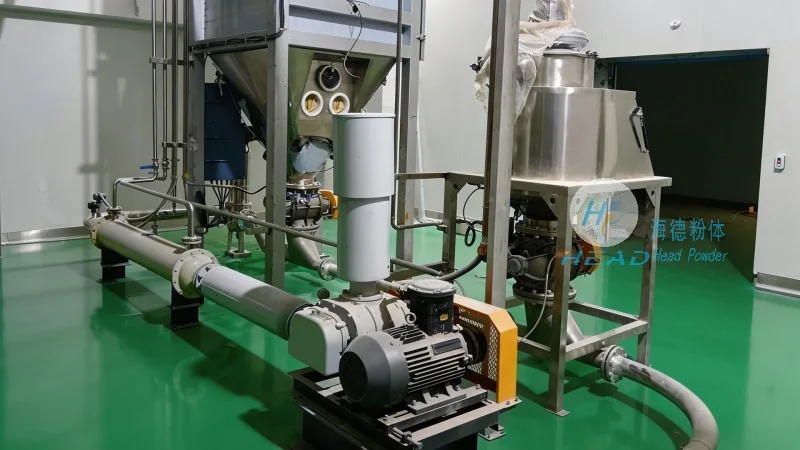
HeadPowder, a leading provider of pneumatic conveying solutions, specializes in designing and implementing systems tailored to the unique challenges of handling sintered fly ash. With years of experience in the industry, our team of experts understands the importance of choosing the right conveying method to ensure optimal performance and longevity of the equipment. In this article, we will explore the key factors to consider when deciding between positive pressure and negative pressure for sintered fly ash pneumatic conveying, and provide insights on how to distinguish between the two based on your operational needs.
Understanding Positive Pressure Pneumatic Conveying
Positive pressure pneumatic conveying systems operate by generating pressure within the conveying line, pushing the material from the source to the destination. This method is often preferred for applications where the material needs to be transported over longer distances or through complex piping networks. The primary advantage of positive pressure systems is their ability to handle a wide range of materials, including those with high moisture content or abrasive properties, without causing excessive wear on the equipment.
For sintered fly ash, positive pressure systems can be particularly effective when dealing with large volumes of material or when the destination is at a higher elevation than the source. The pressurized air forces the ash through the pipeline, ensuring consistent flow and minimizing the risk of blockages. However, it is important to note that positive pressure systems require robust sealing and filtration to prevent dust leakage and maintain air quality standards.
Understanding Negative Pressure Pneumatic Conveying
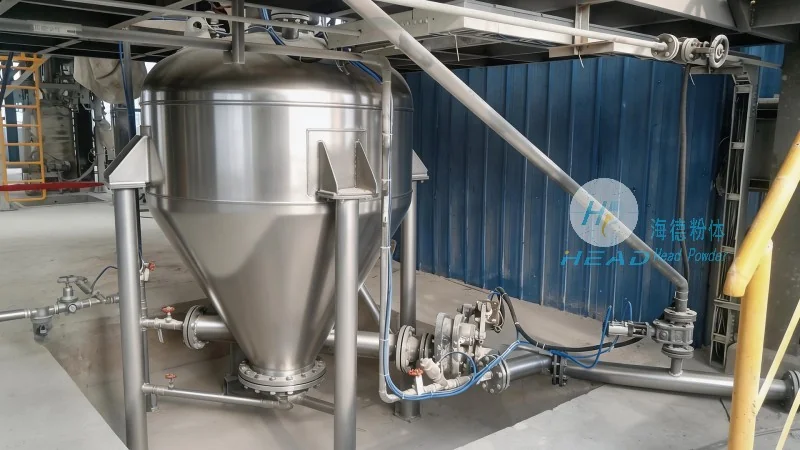
Negative pressure, or vacuum, pneumatic conveying systems operate by creating a vacuum in the conveying line, drawing the material from the source to the destination. This method is typically used for shorter distances and simpler layouts, as the vacuum can only pull material over a limited distance before losing effectiveness. Negative pressure systems are often more suitable for applications where the material is to be collected from a single point and transported to a central processing unit.
When handling sintered fly ash with negative pressure systems, the focus is on maintaining a consistent vacuum level to ensure the material is drawn efficiently. The system relies on the vacuum created by a fan or other vacuum-producing device to pull the ash through the pipeline. While negative pressure systems are generally less expensive to install and maintain compared to positive pressure systems, they may not be as effective for handling abrasive or high-volume materials, as the vacuum can be easily compromised by blockages or high material density.
Key Factors to Consider When Choosing Between Positive and Negative Pressure
When deciding between positive and negative pressure pneumatic conveying for sintered fly ash, several factors must be evaluated to ensure the best fit for your operation. These factors include the distance between the source and destination, the volume of material to be transported, the layout of the conveying system, and the properties of the ash itself, such as moisture content, particle size, and abrasiveness.
Distance is a critical factor, as positive pressure systems are generally more suitable for longer distances due to their ability to maintain pressure over extended lengths. Negative pressure systems, on the other hand, are limited by the distance they can effectively pull material, typically ranging from a few meters to a few hundred meters. The volume of material also plays a role, as positive pressure systems can handle larger volumes more efficiently, while negative pressure systems may struggle with high-volume applications.
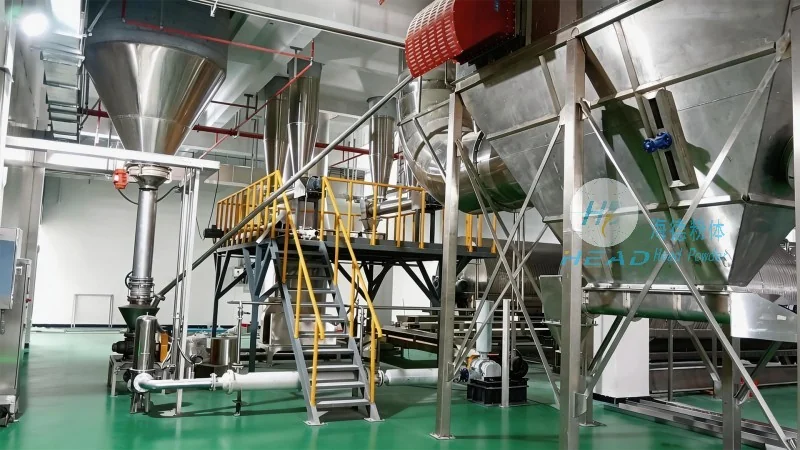
The layout of the conveying system is another important consideration. Positive pressure systems can accommodate more complex piping networks, including vertical and horizontal runs, without losing performance. Negative pressure systems, however, are better suited for simpler layouts with fewer turns and changes in elevation. The properties of the sintered fly ash, such as its moisture content and abrasiveness, also impact the choice of system. High-moisture ash may require positive pressure systems with better sealing and filtration to prevent clogging, while abrasive ash may necessitate more durable equipment in both system types.
Distinguishing Between Positive and Negative Pressure Systems
There are several key characteristics that can help distinguish between positive and negative pressure pneumatic conveying systems. The most obvious difference is the direction of material movement: positive pressure pushes material forward, while negative pressure pulls it. Another distinction is the air flow direction, with positive pressure systems having air moving in the same direction as the material, and negative pressure systems having air moving opposite to the material flow.
Equipment design also differs between the two systems. Positive pressure systems typically include a blower or compressor to generate the pressure, while negative pressure systems use a vacuum pump or fan to create the vacuum. The sealing and filtration requirements also vary, with positive pressure systems requiring more robust sealing to prevent air leakage and maintain pressure, and negative pressure systems needing efficient filtration to prevent dust from escaping into the environment.