

Choosing Between Positive Pressure and Negative Pressure for Coal Ash Slag Pneumatic Conveying? How
When it comes to transporting coal ash slag via pneumatic systems, the choice between positive pressure and negative pressure conveyors is a critical decision for industrial operations. Understanding the fundamental differences and operational characteristics of each system is essential for selecting the most suitable solution for specific applications. This article explores the key aspects of positive pressure versus negative pressure systems, providing insights into how to distinguish between them based on operational requirements and material properties.
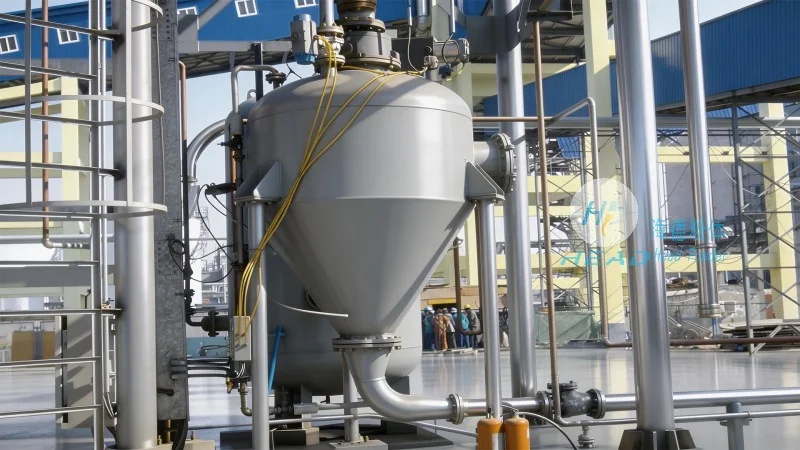
Introduction to Pneumatic Conveying Systems
Pneumatic conveying systems are widely used in the handling of bulk materials, including coal ash slag, due to their efficiency and flexibility. These systems utilize air to transport materials through a pipeline network. The primary distinction lies in the pressure differential maintained within the system: positive pressure systems operate with air pressure higher than ambient, while negative pressure systems operate with air pressure lower than ambient. Each type has its own advantages and limitations, making the selection process dependent on factors such as material characteristics, distance, and system complexity.
Positive Pressure Pneumatic Conveying
Positive pressure systems, also known as pressure or blowers systems, generate air pressure that is higher than the surrounding atmosphere. The air is pumped into the conveying line, carrying the material particles forward. This method is particularly effective for transporting materials over longer distances and through complex piping configurations. The high pressure ensures that the material is consistently moved through the system, reducing the risk of blockages and ensuring reliable operation. Positive pressure systems are often preferred for applications involving abrasive or high-density materials like coal ash slag, as the higher air velocity helps maintain material flow and prevents deposition.
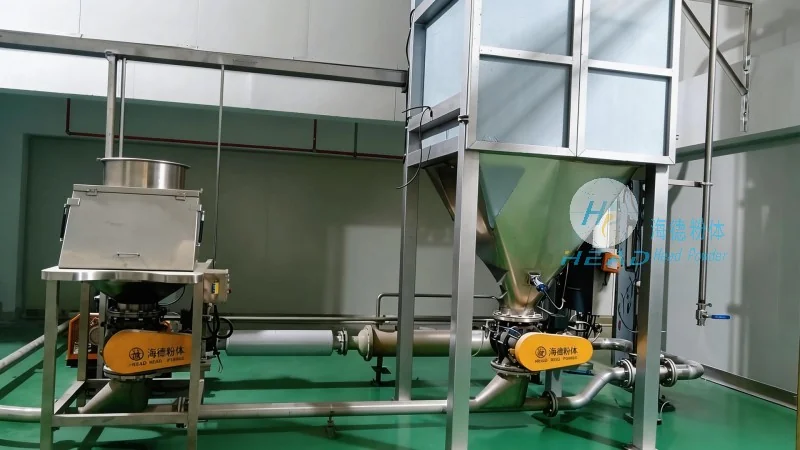
Negative Pressure Pneumatic Conveying
Negative pressure systems, or vacuum systems, operate by creating a vacuum in the conveying line, drawing material into the system from the source. The air is drawn through the material, carrying it to the destination. This approach is typically used for shorter distances and less complex layouts, as maintaining a consistent vacuum over longer distances can be challenging. Negative pressure systems are often more suitable for handling lighter or less abrasive materials, where the lower air velocity is sufficient to transport the material without causing excessive wear on the system components. For coal ash slag, which can be abrasive and heavy, negative pressure systems may require additional considerations to prevent clogging and ensure efficient operation.
Distinguishing Between Positive and Negative Pressure Systems
The key differences between positive and negative pressure systems can be summarized by several critical factors. First, the pressure differential: positive pressure systems maintain higher air pressure, while negative pressure systems maintain lower pressure (vacuum). Second, the direction of material flow: in positive pressure systems, material is pushed forward by the high-pressure air, whereas in negative pressure systems, material is pulled into the system by the vacuum. Third, the system complexity and maintenance requirements: positive pressure systems generally require more robust components, such as high-pressure blowers, and may have higher energy consumption due to the need to generate higher air pressure. Negative pressure systems, while often simpler in design, may require more frequent maintenance to prevent dust and material buildup in the vacuum components.
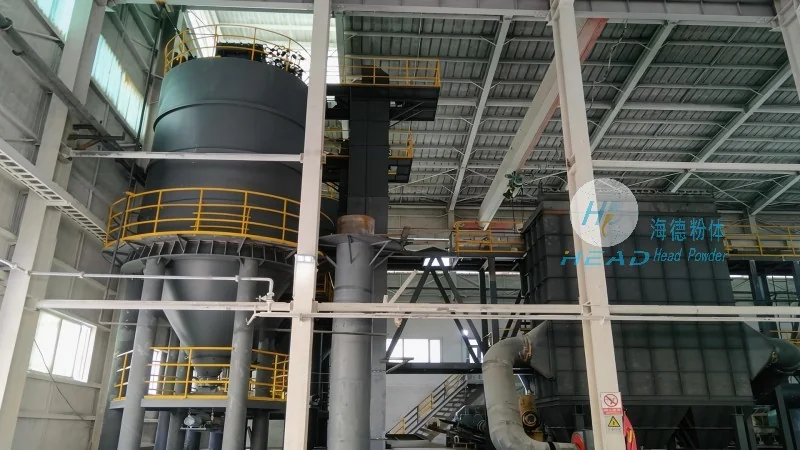
Factors Influencing the Choice of System
The decision to use positive or negative pressure for coal ash slag pneumatic conveying depends on several practical considerations. Material properties, such as particle size, density, and abrasiveness, play a significant role. For example, coal ash slag often consists of fine, abrasive particles that may require higher air velocities and more robust system components. The distance and layout of the conveying system also impact the choice. Longer distances and complex networks are better suited to positive pressure systems, which can maintain consistent pressure over extended runs. Conversely, shorter distances and simpler layouts may benefit from negative pressure systems, which are more cost-effective for smaller-scale applications. Additionally, the available space and infrastructure at the site can influence the selection, as positive pressure systems may require more space for the blower and air handling equipment.
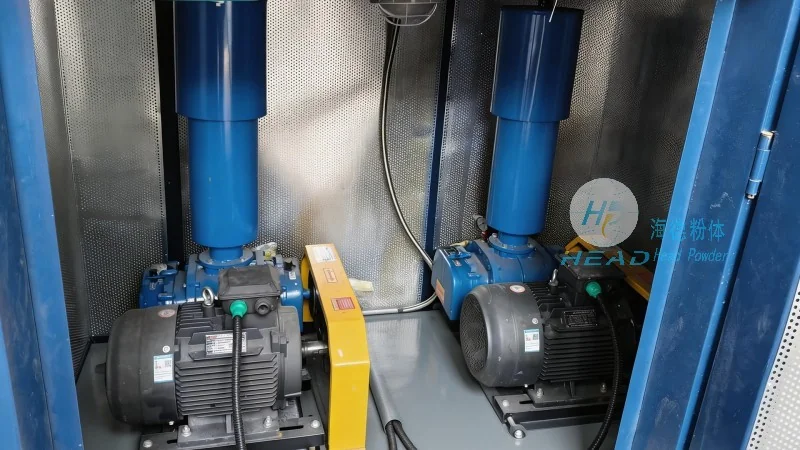
Operational Considerations and Best Practices
Once the type of system is determined, operational considerations become crucial for maintaining efficiency and longevity. For positive pressure systems, regular maintenance of the high-pressure blowers and pipeline is essential to prevent wear and tear. Monitoring air pressure and flow rates helps ensure that the system is operating within optimal parameters. For negative pressure systems, maintaining the vacuum level and preventing dust accumulation in the vacuum pump and ductwork is critical. Proper filtration and cleaning procedures are necessary to keep the system functioning efficiently and to prevent material buildup that could lead to blockages. Additionally, considering the environmental impact of the system, such as noise levels and air quality, is important for compliance with regulations and for maintaining a safe working environment.
Conclusion
Choosing between positive pressure and negative pressure for coal ash slag pneumatic conveying requires a thorough evaluation of operational needs, material characteristics, and system constraints. Positive pressure systems offer greater flexibility and reliability for longer distances and more complex applications, while negative pressure systems are more suitable for shorter runs and simpler layouts. By understanding the fundamental differences and considering the specific requirements of the coal ash slag handling process, industrial operators can select the most appropriate pneumatic conveying system to ensure efficient, safe, and cost-effective material transport. Shandong HeadPowder Engineering Co., Ltd., with its expertise in engineering and manufacturing, provides tailored solutions for pneumatic conveying systems, helping clients optimize their material handling processes and achieve operational efficiency.