

Selecting Positive Pressure or Negative Pressure for Oat Flour Pneumatic Conveying: How to Distingui
When it comes to transporting oat flour efficiently and safely, the choice between positive pressure and negative pressure pneumatic conveying systems is a critical decision for manufacturers. Both methods offer distinct advantages and are suited to different operational requirements, making it essential to understand the key differences and selection criteria.
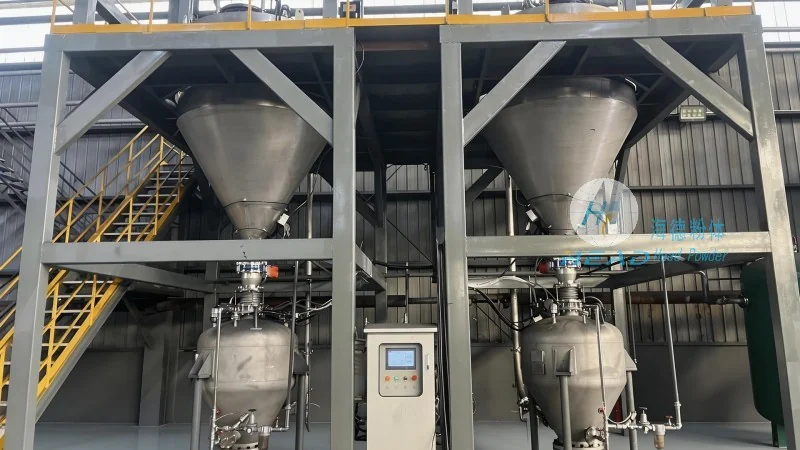
Understanding Pneumatic Conveying Basics
Pneumatic conveying is a technology that uses air or gas to transport bulk materials like oat flour through a pipeline system. The primary goal is to move the material from a source to a destination without the need for mechanical components like conveyors or elevators. However, the method of air pressure application—positive or negative—significantly impacts system performance, cost, and suitability for specific applications.
Positive Pressure Pneumatic Conveying
Positive pressure systems operate by blowing air or gas into the conveying line, creating a pressure higher than the ambient air pressure. This pressurized air propels the oat flour through the pipeline. A key advantage of positive pressure is its ability to handle abrasive or sticky materials, as the high-pressure air helps to break up agglomerates and maintain flow. Additionally, positive pressure systems are generally more suitable for long-distance or high-rise applications due to their consistent pressure maintenance.
For oat flour, which can be prone to caking or bridging in silos, positive pressure can effectively prevent these issues by ensuring a continuous, uniform flow. The system also allows for easy integration with other processing equipment, as the pressurized line can be connected directly to storage tanks or processing units. However, positive pressure systems require robust seals and higher energy consumption compared to negative pressure systems, which may increase operational costs.
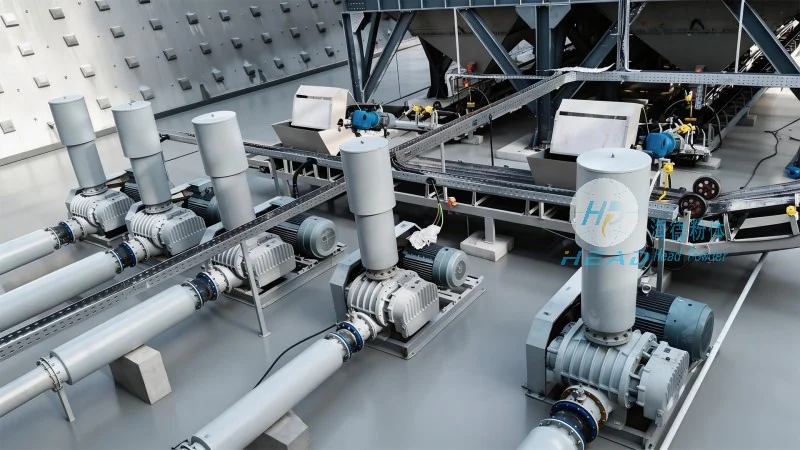
Negative Pressure Pneumatic Conveying
Negative pressure systems, on the other hand, create a vacuum in the conveying line, drawing the oat flour into the system. The material is then carried by the air flow from the vacuum source. This method is often preferred for applications where the material is sensitive to high pressure or where the conveying distance is short. Negative pressure systems are generally more energy-efficient and require less maintenance, as they operate at lower pressures and do not need heavy-duty seals.
In the case of oat flour, negative pressure can be advantageous when dealing with fine powders that are prone to dust generation. The vacuum helps to contain the material and minimize airborne particles, reducing the risk of contamination and improving workplace safety. However, negative pressure systems are less effective for long-distance conveying or when dealing with high-volume flows, as the vacuum may not maintain sufficient material transport over extended distances.
Key Factors to Consider When Choosing a System
Choosing between positive and negative pressure pneumatic conveying for oat flour depends on several factors, including the material characteristics, conveying distance, system layout, and operational requirements. Here are the main considerations:
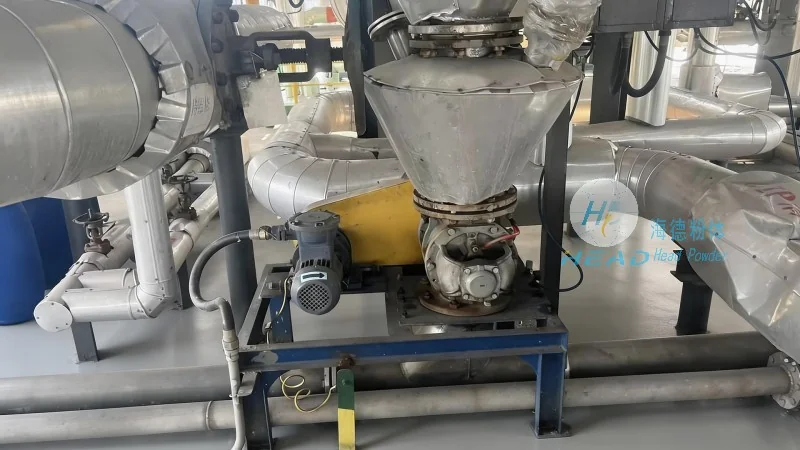
- Material Properties: Oat flour is a fine powder that can be abrasive and prone to caking. Positive pressure is better suited for such materials due to its ability to break up agglomerates and maintain flow. Negative pressure may be more suitable if the material is highly sensitive to pressure or if dust control is a priority.
- Conveying Distance and Height: Positive pressure systems are ideal for long-distance or high-rise applications, as they can maintain consistent pressure over extended pipelines. Negative pressure is more suitable for short-distance or low-rise applications where the vacuum can effectively transport the material without significant pressure loss.
- Energy Consumption and Cost: Negative pressure systems typically consume less energy and have lower operational costs due to their lower pressure requirements. Positive pressure systems, while more powerful, require more energy and may have higher maintenance costs due to the need for robust seals and higher air pressure.
- Environmental and Safety Considerations: Negative pressure systems excel in containing dust and minimizing airborne particles, which is crucial for maintaining a clean working environment. Positive pressure systems may require additional dust collection equipment to prevent dust emissions.
Distinguishing Between the Two Systems
Identifying whether a system is positive or negative pressure can be done by observing the air flow direction and pressure levels. In a positive pressure system, the air and material flow out of the pipeline, creating a visible plume or pressure at the discharge point. Conversely, in a negative pressure system, the air and material are drawn into the pipeline, with the vacuum source typically located at the intake end. Additionally, the equipment used in each system differs: positive pressure systems use blowers or compressors, while negative pressure systems use vacuum pumps or fans.
About Shandong HeadPowder Engineering Co., Ltd.
Shandong HeadPowder Engineering Co., Ltd., a leading provider of pneumatic conveying solutions, specializes in designing and manufacturing systems tailored to the needs of the food processing industry. With a focus on efficiency, safety, and reliability, the company offers customized solutions for oat flour and other bulk materials. HeadPowder's expertise in positive and negative pressure systems ensures that clients receive the most suitable equipment for their specific applications, whether it involves long-distance conveying, dust control, or material handling in processing facilities.
HeadPowder is committed to providing high-quality, durable equipment that meets industry standards and enhances operational performance. The company's facilities are located in Shandong, China, where it leverages advanced technology and experienced engineering teams to deliver innovative solutions for the food and bulk material handling sectors.