

Resin Powder Pneumatic Conveying: Choosing Positive Pressure vs. Negative Pressure - How to Differen
When it comes to the pneumatic conveying of resin powders, selecting the right system—whether positive pressure or negative pressure—is crucial for efficiency, cost-effectiveness, and operational safety. Understanding the fundamental differences between these two approaches is essential for industries that rely on the consistent and reliable transport of resin powders. This article explores the key factors to consider when choosing between positive pressure and negative pressure systems for resin powder pneumatic conveying, along with practical guidance on how to differentiate between them.
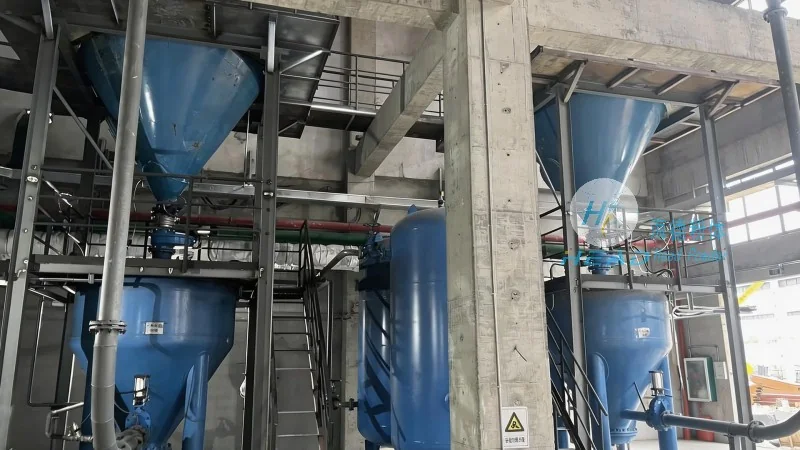
Introduction to Resin Powder Pneumatic Conveying
Resin powders are widely used in various industries, including manufacturing, construction, and chemical processing. The efficient transport of these powders from one location to another is often achieved through pneumatic conveying systems. Pneumatic conveying involves the use of air or gas to move solid materials through a pipeline. For resin powders, which can be abrasive, hygroscopic, or sensitive to moisture, the choice of conveying system significantly impacts product quality and operational performance.
Positive Pressure Pneumatic Conveying Systems
Positive pressure systems operate by blowing air or gas into the conveying line, creating a pressure higher than the ambient air pressure. This method pushes the resin powder through the pipeline, ensuring a continuous and controlled flow. Positive pressure systems are often preferred for applications requiring high conveying distances, large material volumes, or the need to transport materials through long, complex pipelines. They are particularly suitable for abrasive or heavy resin powders that may cause wear on equipment if handled with negative pressure systems.
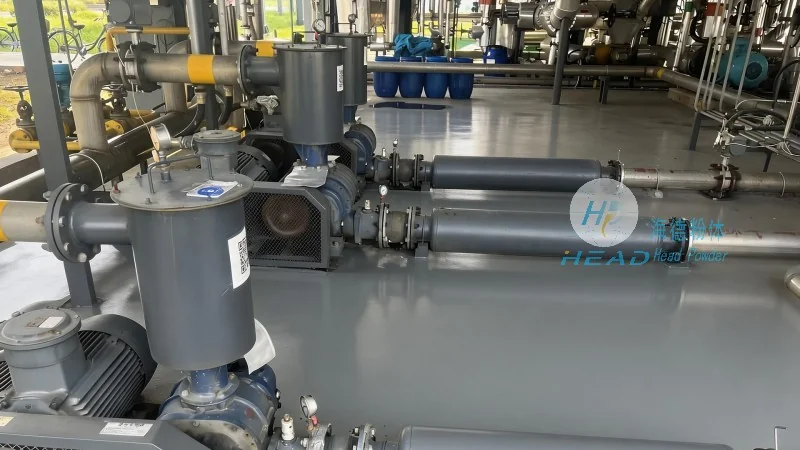
Negative Pressure Pneumatic Conveying Systems
Negative pressure systems, on the other hand, create a vacuum or low-pressure environment in the conveying line, drawing the resin powder into the system. This approach is typically used for shorter conveying distances, lower material volumes, or when the material is less abrasive and requires gentler handling. Negative pressure systems are often more cost-effective for smaller-scale operations or for transporting materials over short distances, as they generally require less powerful equipment and lower energy consumption compared to positive pressure systems.
Key Factors to Consider When Choosing a System
Several factors influence the decision between positive and negative pressure pneumatic conveying for resin powders. The first is the distance and layout of the conveying line. Positive pressure systems are better suited for long-distance transport, while negative pressure systems are more practical for short distances. The second factor is the material characteristics of the resin powder. If the powder is abrasive or has a high density, positive pressure systems may be more appropriate to prevent equipment wear and ensure efficient transport. Conversely, if the powder is hygroscopic or sensitive to moisture, negative pressure systems might be preferred to minimize exposure to air and moisture.
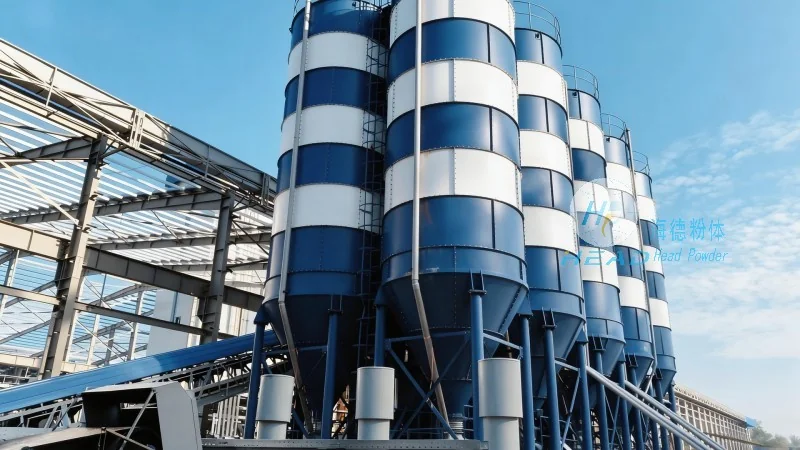
How to Differentiate Between Positive and Negative Pressure Systems
Distinguishing between positive and negative pressure pneumatic conveying systems involves understanding the pressure dynamics and operational principles. In a positive pressure system, the air or gas is actively pumped into the conveying line, resulting in higher pressure at the discharge point. This can be observed through pressure gauges showing a pressure higher than atmospheric pressure. In contrast, negative pressure systems create a vacuum or low pressure in the line, with pressure readings below atmospheric pressure. Additionally, the direction of material flow is a key indicator: positive pressure systems push material forward, while negative pressure systems pull material into the system.
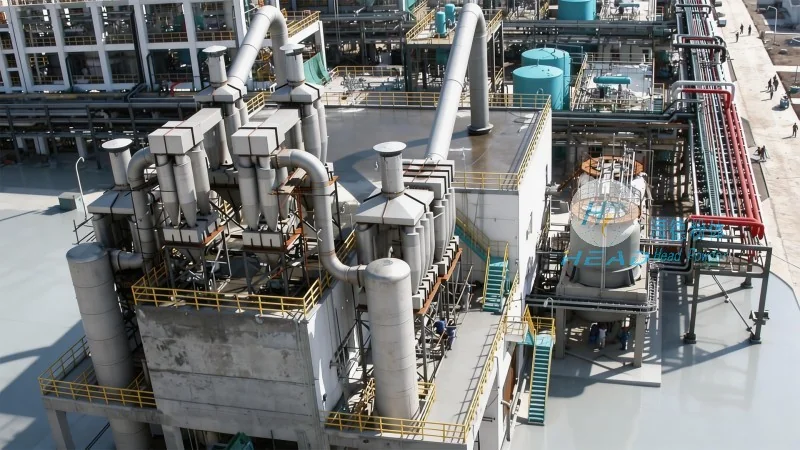
Applications and Practical Examples
Positive pressure systems are commonly used in industries such as polymer manufacturing, where large volumes of resin powders need to be transported over long distances to processing facilities. For example, a polymer plant might use a positive pressure system to convey resin powders from a storage silo to a mixing or extrusion unit. On the other hand, negative pressure systems are often employed in smaller-scale operations, such as in research laboratories or small-scale production facilities, where the need for gentle handling and low energy consumption is prioritized. A typical example is the transport of resin powders from a hopper to a small-scale mixing machine in a laboratory setting.
Conclusion
Choosing between positive pressure and negative pressure pneumatic conveying for resin powders requires careful consideration of operational requirements, material characteristics, and system layout. Positive pressure systems offer advantages in terms of high conveying capacity and suitability for long distances or abrasive materials, while negative pressure systems are more economical for shorter distances and less abrasive materials. By understanding the fundamental differences and applying the appropriate criteria, industries can select the most effective pneumatic conveying system for their resin powder transport needs. For further guidance on implementing these systems, companies like Shandong HeadPowder Engineering Co., Ltd. provide specialized expertise and solutions tailored to specific operational needs.