

Positive Pressure vs. Negative Pressure Pneumatic Conveying for Magnesium Powder: How to Differentia
When it comes to transporting magnesium powder, selecting the right pneumatic conveying system is crucial for efficiency, safety, and cost-effectiveness. Two primary methods dominate the industry: positive pressure and negative pressure systems. Understanding the differences between these approaches is essential for making an informed decision that aligns with your operational needs. This article explores the key distinctions between positive and negative pressure pneumatic conveying for magnesium powder, helping you evaluate which system best suits your requirements.
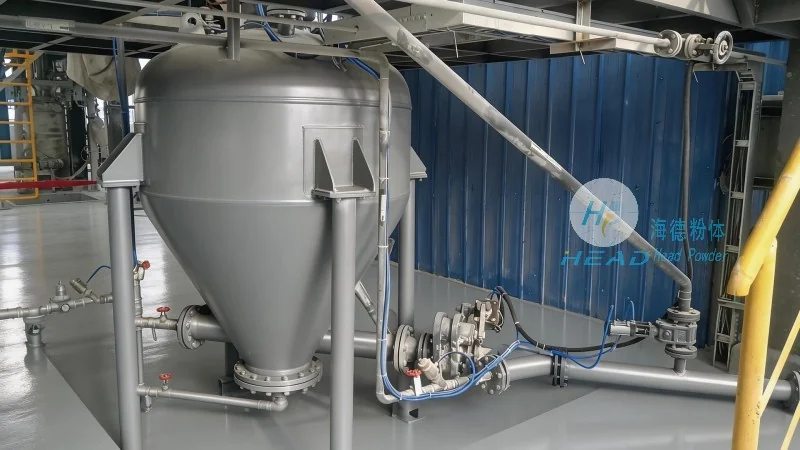
Introduction to Pneumatic Conveying Systems
Pneumatic conveying is a method of transporting bulk materials like magnesium powder through a pipeline using air or gas as the conveying medium. It offers advantages over traditional mechanical conveying, such as reduced equipment wear, lower maintenance costs, and the ability to handle materials in a closed system, minimizing dust and contamination. However, the choice between positive and negative pressure systems depends on several factors, including material properties, system layout, and operational goals.
Positive Pressure Pneumatic Conveying
Positive pressure systems operate by blowing air or gas into the conveying line, creating a pressure higher than the ambient air pressure. This method is often preferred for applications involving abrasive or corrosive materials, as it reduces the risk of material degradation and equipment damage. The high-pressure air forces the magnesium powder to move through the pipeline, ensuring consistent flow rates and preventing blockages. Positive pressure systems are typically more suitable for short to medium-distance conveying and can handle a wide range of particle sizes and moisture content. They are also easier to integrate with existing facilities and can be designed for high-capacity operations.
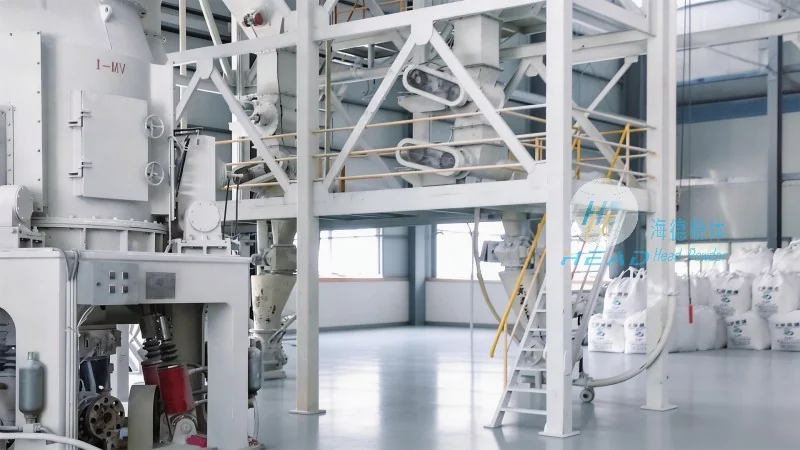
Negative Pressure Pneumatic Conveying
Negative pressure systems, on the other hand, create a vacuum in the conveying line, drawing the magnesium powder into the system from the source. This approach is ideal for applications where dust control is a priority, as the system operates in a closed loop, preventing dust from escaping into the environment. Negative pressure systems are commonly used for long-distance conveying and can handle materials that are sensitive to pressure changes or high temperatures. However, they may require more robust filtration and cleaning systems to maintain efficiency and prevent clogging. The vacuum created in the system can also lead to higher energy consumption compared to positive pressure systems, especially for large-scale operations.
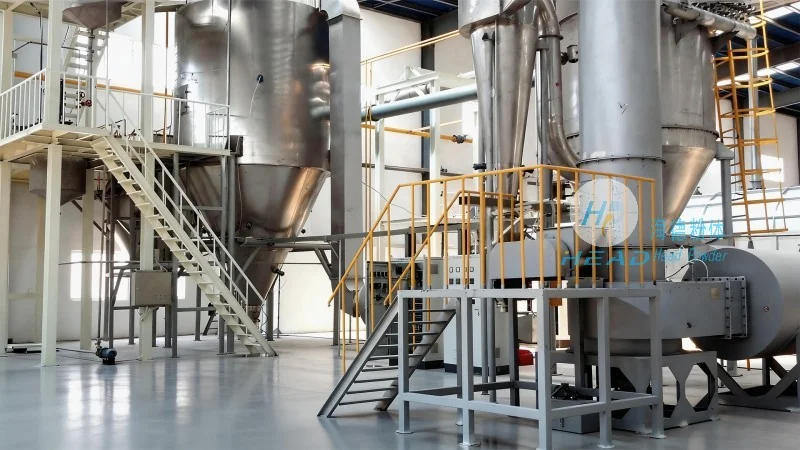
Distinguishing Between Positive and Negative Pressure Systems
Identifying the right pneumatic conveying system for magnesium powder involves evaluating several key factors. First, consider the material characteristics: positive pressure is better suited for abrasive or high-density materials, while negative pressure is preferred for fine or sensitive powders. Second, assess the system layout and distance: positive pressure is ideal for short to medium distances, whereas negative pressure is more effective for long-distance transport. Third, evaluate operational requirements: positive pressure systems offer higher flow rates and are easier to maintain, while negative pressure systems provide better dust control and are suitable for applications where environmental regulations are strict. Additionally, consider the initial investment and long-term operational costs, as both systems have different energy consumption profiles and maintenance needs.
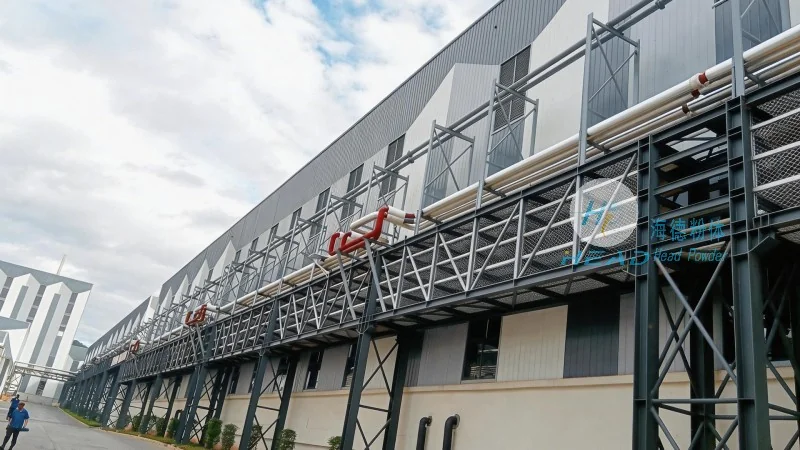
Application Considerations for Magnesium Powder
For magnesium powder, the choice between positive and negative pressure pneumatic conveying depends on the specific application. For example, in industrial manufacturing where high throughput is required, a positive pressure system may be more appropriate due to its ability to handle large volumes and maintain consistent flow rates. In contrast, for applications involving fine magnesium powder used in pharmaceutical or food industries, a negative pressure system is often preferred to ensure product purity and minimize contamination. The system design should also account for the moisture content and particle size distribution of the magnesium powder, as these factors can impact the efficiency and effectiveness of the conveying process.
Conclusion
Choosing between positive and negative pressure pneumatic conveying for magnesium powder requires a thorough understanding of the system's capabilities and the specific requirements of your operation. Positive pressure systems offer advantages in terms of flow rate and ease of maintenance, while negative pressure systems excel in dust control and long-distance transport. By carefully evaluating material properties, system layout, and operational goals, you can select the most suitable pneumatic conveying system that enhances efficiency, safety, and cost-effectiveness. As a leading provider of engineering solutions for bulk material handling, Shandong HeadPowder Engineering Co., Ltd. specializes in designing and implementing customized pneumatic conveying systems tailored to the unique needs of each client. With years of experience in the industry, we ensure that our solutions meet the highest standards of performance and reliability, helping businesses optimize their material handling processes and achieve their operational objectives.