

Silica Micropowder Pneumatic Conveying: Choosing Positive Pressure or Negative Pressure? How to Dist
Silica micropowder, a critical material in various industrial applications, requires efficient and reliable transportation methods. Pneumatic conveying systems offer a solution by using air to move powders through pipelines. However, the choice between positive pressure and negative pressure systems is a key decision that impacts system performance, cost, and operational safety. This article explores the distinctions between positive and negative pressure pneumatic conveying for silica micropowder, helping users make an informed selection.
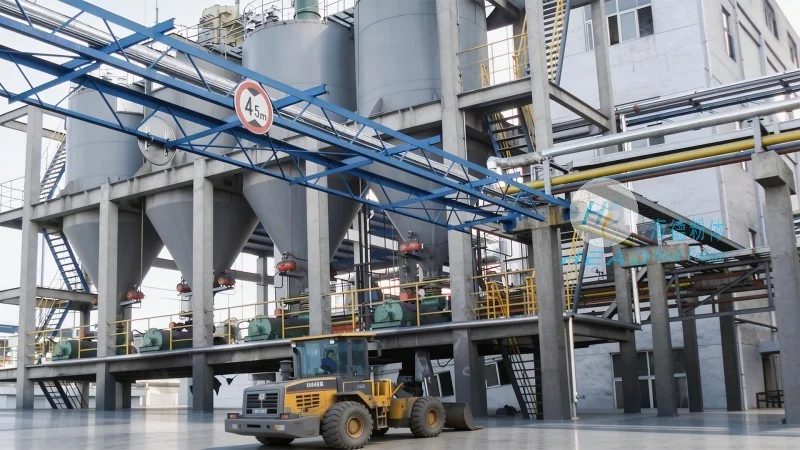
About HeadPowder: Expert in Pneumatic Conveying Solutions
HeadPowder, operating as Shandong HeadPowder Engineering Co., Ltd., is a leading provider of customized pneumatic conveying systems. With a focus on industrial efficiency and material handling, the company specializes in designing and manufacturing solutions tailored to the unique needs of silica micropowder applications. HeadPowder’s expertise lies in understanding the physical properties of powders and matching them with the most suitable conveying technology, ensuring optimal performance and longevity of the system.
Positive Pressure Pneumatic Conveying Systems
Positive pressure systems, also known as pressure conveying, operate by generating air pressure at the material inlet and pushing the powder through the pipeline. This method is particularly effective for transporting silica micropowder over longer distances or through complex piping networks. The system typically uses a positive displacement blower or a rotary lobe blower to create the necessary pressure. Positive pressure conveying is advantageous for handling abrasive or sticky powders, as the high pressure helps maintain particle integrity and prevents clogging. Additionally, it allows for the transportation of powders from multiple sources to a single destination, making it suitable for large-scale industrial operations.
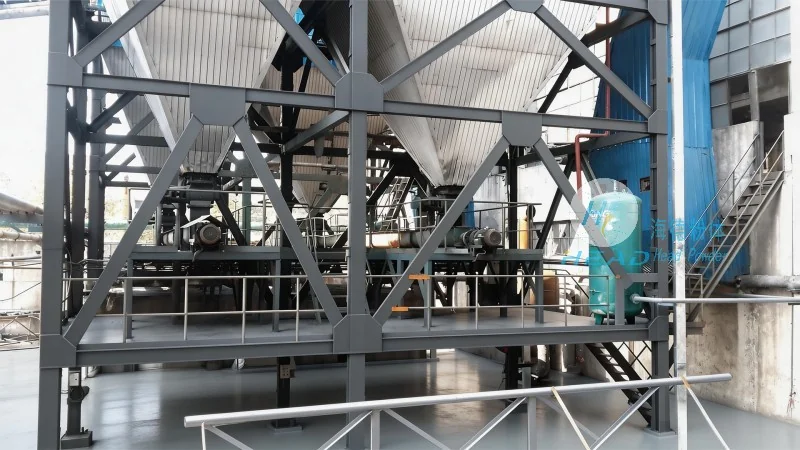
Negative Pressure Pneumatic Conveying Systems
Negative pressure systems, or vacuum conveying, work by creating a vacuum at the material outlet and drawing the powder into the system. This approach is ideal for short to medium distance conveying and is often used for handling fine powders like silica micropowder that are sensitive to pressure changes. The system employs a vacuum pump to generate the negative pressure, and the material is drawn through the pipeline. Negative pressure conveying is beneficial for applications where the material needs to be transported from a single source to multiple destinations, as the vacuum can be maintained at various collection points. It also reduces the risk of dust emissions compared to positive pressure systems, as the material is drawn into the system rather than expelled.
Distinguishing Between Positive and Negative Pressure Systems
The choice between positive and negative pressure pneumatic conveying for silica micropowder depends on several factors. First, consider the particle size and flow characteristics of the powder. Fine powders with high moisture content may require negative pressure to prevent agglomeration, while coarser or more abrasive powders might benefit from positive pressure. Second, evaluate the conveying distance and system layout. Longer distances or complex networks favor positive pressure due to its ability to maintain consistent pressure and flow. Conversely, shorter distances and simpler layouts are well-suited for negative pressure. Third, assess the material's sensitivity to pressure and moisture. If the powder is prone to caking or degradation under high pressure, negative pressure may be the better option. Finally, consider the system's energy efficiency and maintenance requirements. Positive pressure systems generally consume more energy but offer higher throughput, while negative pressure systems are more energy-efficient for shorter runs but may require more frequent maintenance due to the vacuum pump.
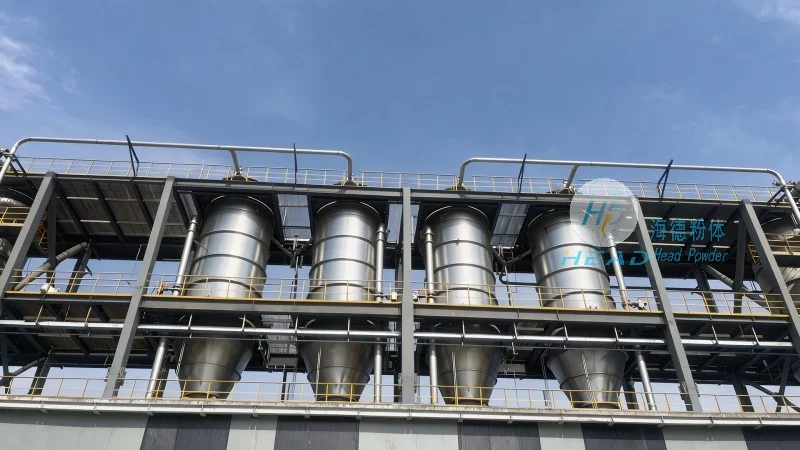
Application Scenarios and Practical Considerations
For silica micropowder applications, positive pressure systems are commonly used in large-scale production lines where the material needs to be transported from a central storage to multiple processing units over long distances. The high pressure ensures that the powder flows smoothly through the pipelines, minimizing the risk of blockages. On the other hand, negative pressure systems are preferred in laboratory settings or small-scale operations where the powder is handled in small quantities and needs to be transported to a single collection point. The vacuum system allows for gentle handling of the fine powder, preserving its quality and preventing dust dispersion. Additionally, when dealing with hazardous or toxic powders, negative pressure conveying is often recommended to contain the material and prevent exposure to the environment. In contrast, positive pressure systems may require additional safety measures, such as explosion-proof components, to handle potentially combustible powders.
How to Choose the Right System for Silica Micropowder
When deciding between positive and negative pressure pneumatic conveying for silica micropowder, it is essential to conduct a thorough analysis of the material properties, operational requirements, and system constraints. Start by characterizing the powder's particle size distribution, moisture content, and flowability. This information will help determine the appropriate conveying method. Next, evaluate the distance and layout of the conveying system. Longer distances and complex networks typically favor positive pressure, while shorter distances and simpler layouts are better suited for negative pressure. Consider the throughput requirements and the impact of pressure on the powder's physical properties. If the powder is sensitive to pressure or moisture, negative pressure may be the safer choice. Finally, assess the cost and maintenance implications of each system. Positive pressure systems may have higher initial costs due to the need for robust components, but they offer higher efficiency and throughput. Negative pressure systems are generally more cost-effective for short runs but may require more frequent maintenance of the vacuum pump. By carefully weighing these factors, users can select the most suitable pneumatic conveying system for their silica micropowder application, ensuring optimal performance, safety, and operational efficiency.