

Choosing Positive Pressure vs. Negative Pressure for Calcium Dioxide Pneumatic Conveying: How to Dif
When it comes to the pneumatic conveying of calcium dioxide (also known as calcium dioxidate or sodium dithionite), selecting the appropriate pressure system is crucial for efficient and reliable material handling. Two primary methods are commonly considered: positive pressure and negative pressure systems. Understanding the distinctions between these approaches is essential for optimizing operations and ensuring the safe transport of this chemical. This article will explore the key differences, factors influencing the choice, and practical considerations for selecting the right pneumatic conveying system for calcium dioxide applications, with insights from Shandong HeadPowder Engineering Co., Ltd., a leading provider of bulk material handling solutions based in China.
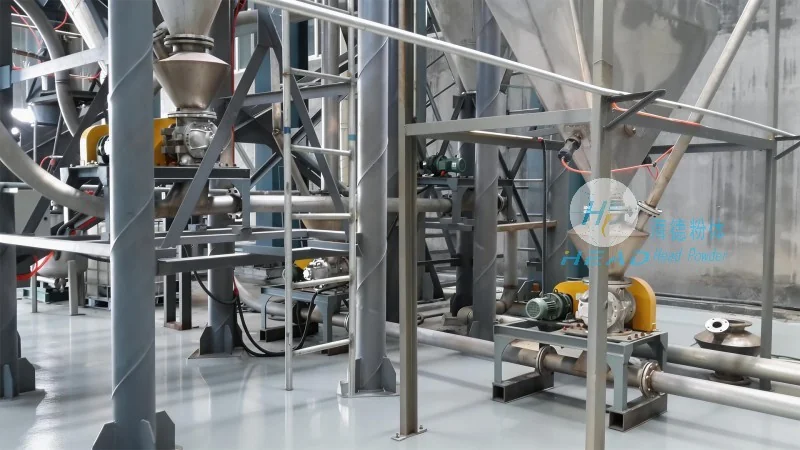
Introduction to Pneumatic Conveying Systems
Pneumatic conveying is a method used to transport bulk materials through a pipeline using air or gas as the conveying medium. It is widely employed in industries dealing with powders and granules, including chemicals, food, and pharmaceuticals. The choice between positive and negative pressure systems depends on several factors, including material properties, system layout, and operational requirements. For calcium dioxide, a highly reactive and potentially hazardous material, the selection of the right pressure system is critical to prevent material degradation, ensure worker safety, and maintain system efficiency. Shandong HeadPowder Engineering Co., Ltd. specializes in designing and implementing customized pneumatic conveying systems tailored to the unique needs of chemical processing facilities.
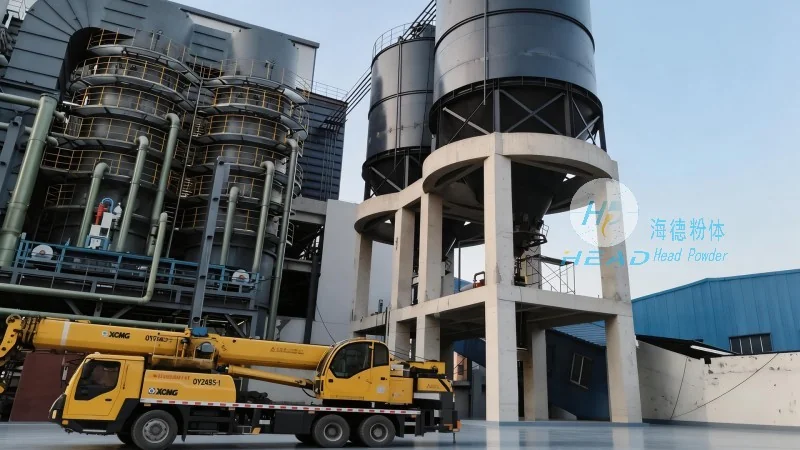
Positive Pressure Pneumatic Conveying
Positive pressure systems operate by blowing air or gas into the conveying line, creating a pressure higher than the ambient air pressure. This method is often preferred for materials that are sensitive to moisture or air exposure, as it minimizes the risk of contamination. In the case of calcium dioxide, which can degrade when exposed to air, positive pressure systems can help maintain the material's quality by creating a sealed environment. The system typically includes a blower or compressor at the inlet, which supplies the necessary pressure to move the material through the pipeline. Positive pressure systems are also suitable for long-distance conveying and for applications where the material needs to be transported to a higher elevation. However, they may require more robust equipment and higher energy consumption compared to negative pressure systems.
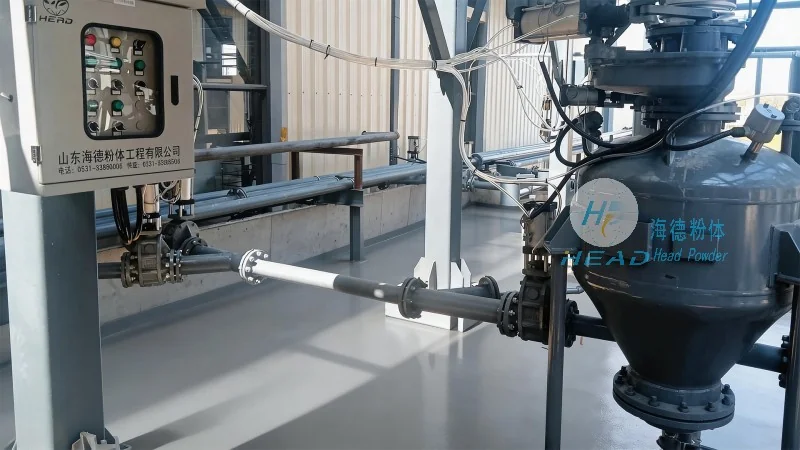
Negative Pressure Pneumatic Conveying
Negative pressure systems, also known as vacuum systems, operate by creating a vacuum at the inlet of the conveying line, drawing material into the pipeline. This method is ideal for materials that are light and can be easily entrained by the air flow. For calcium dioxide, negative pressure systems can be effective for short-distance conveying and for applications where the material is to be collected from a hopper or silo. The system includes a vacuum pump at the inlet, which creates the necessary suction to move the material. Negative pressure systems are generally more energy-efficient for short distances and can be simpler to install in some cases. However, they may not be suitable for long-distance or high-elevation conveying, as the vacuum can diminish over distance, potentially leading to material deposition or blockages.
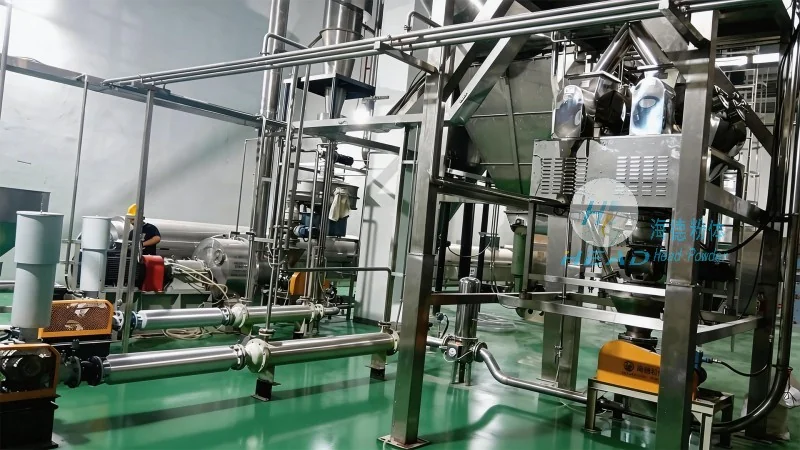
Key Factors in Choosing Between Positive and Negative Pressure
The decision between positive and negative pressure pneumatic conveying for calcium dioxide depends on several key factors. First, the material's physical properties, such as particle size, density, and flowability, play a significant role. Calcium dioxide is a fine powder with relatively low bulk density, making it susceptible to bridging and agglomeration. Positive pressure systems can help mitigate these issues by providing consistent air flow and pressure. Second, the system layout and distance to be covered are critical. For long-distance or high-elevation conveying, positive pressure systems are often preferred due to their ability to maintain pressure over distance. Conversely, for short-distance and low-elevation applications, negative pressure systems may be more economical. Third, operational considerations, such as energy consumption and maintenance requirements, should be evaluated. Positive pressure systems typically require more energy but may have lower maintenance costs due to fewer moving parts. Negative pressure systems are more energy-efficient for short distances but may require more frequent maintenance of the vacuum pump.