

Silicon Carbide Pneumatic Conveying: Choosing Positive Pressure or Negative Pressure? How to Disting
When it comes to transporting silicon carbide, a critical decision lies in selecting the appropriate pneumatic conveying system. The two primary options are positive pressure and negative pressure systems. Understanding the distinctions between these two approaches is essential for optimizing material handling efficiency and ensuring system reliability. This article will explore the key differences, advantages, and practical considerations for choosing between positive and negative pressure pneumatic conveying for silicon carbide applications.
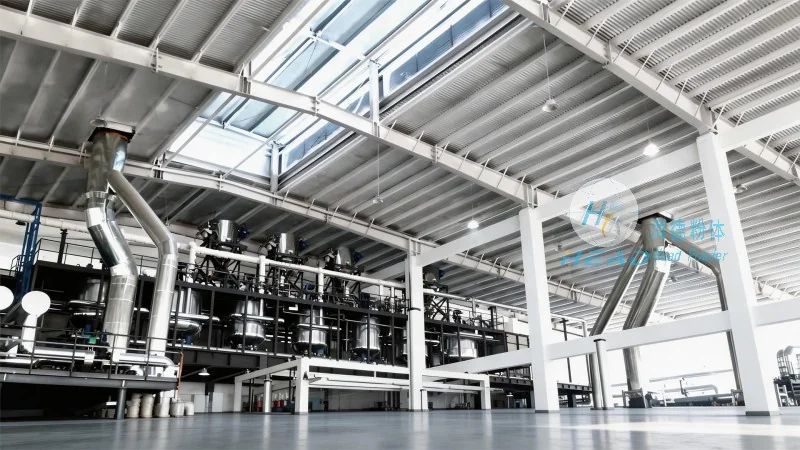
Introduction to Pneumatic Conveying Systems
Pneumatic conveying is a widely used method for transporting bulk materials, including powders and granules, over short to medium distances. It involves the use of air or other gases to move material through a pipeline system. The choice between positive and negative pressure systems depends on factors such as material properties, system layout, and operational requirements. For silicon carbide, a hard, abrasive material, the selection of the right conveying method is crucial to prevent equipment wear and maintain system performance.
Positive Pressure Pneumatic Conveying
Positive pressure systems operate by blowing air or gas into the conveying line, creating a pressure higher than the ambient air pressure. This method is often preferred for applications requiring high material flow rates and the ability to convey materials over longer distances. In the context of silicon carbide, positive pressure systems can effectively handle the abrasive nature of the material, as the high-pressure air helps to reduce particle attrition and minimize equipment wear. The system typically consists of a blower, a hopper, and a pipeline network, with the material being drawn into the line by the pressurized air.
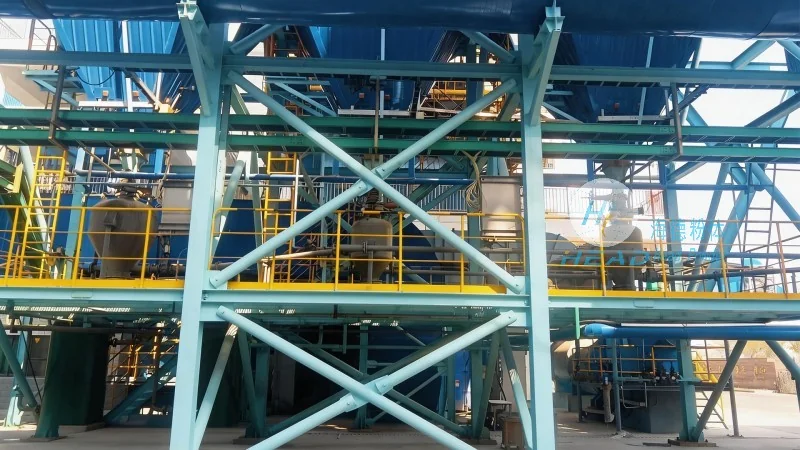
Negative Pressure Pneumatic Conveying
Negative pressure systems, also known as vacuum conveying, work by creating a vacuum in the conveying line, which draws material from the source into the system. This approach is commonly used for applications where the material needs to be transported from a lower elevation or where the source is located in a confined space. For silicon carbide, negative pressure systems can be advantageous when dealing with fine powders, as the vacuum helps to prevent dust dispersion and maintain material integrity. However, these systems may be less efficient for handling large quantities of material or abrasive particles, as the lower air velocity can lead to increased wear on the system components.
Distinguishing Between Positive and Negative Pressure Systems
The primary method for distinguishing between positive and negative pressure pneumatic conveying systems is based on the direction of air flow and the pressure differential within the pipeline. In positive pressure systems, the air flows from the blower into the conveying line, creating a pressure that pushes the material forward. Conversely, in negative pressure systems, the air is drawn out of the line, creating a vacuum that pulls the material into the system. Another key difference lies in the system layout and equipment requirements. Positive pressure systems generally require more robust components, such as high-pressure blowers and reinforced pipelines, to withstand the higher pressures. Negative pressure systems, on the other hand, may use lower-cost components but require careful attention to dust control and system sealing to prevent air leaks.
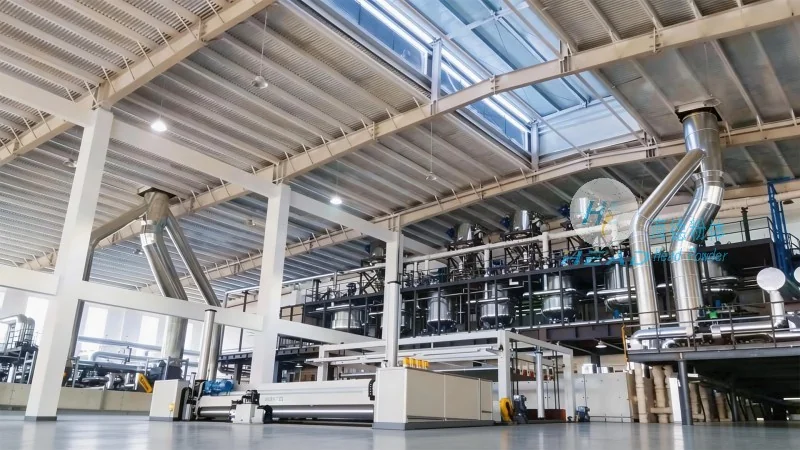
Factors to Consider When Choosing a System for Silicon Carbide
When deciding between positive and negative pressure pneumatic conveying for silicon carbide, several factors must be evaluated. The first consideration is the material's physical properties, including particle size, density, and abrasiveness. Silicon carbide is known for its hardness and high wear resistance, which can impact the choice of system. For example, if the material is coarse and abrasive, a positive pressure system with a high-pressure blower may be more suitable to prevent particle degradation and equipment damage. Conversely, if the material is fine and requires gentle handling, a negative pressure system with a low air velocity may be preferred to minimize dust generation and maintain material quality.
Another critical factor is the system layout and the distance over which the material needs to be conveyed. Positive pressure systems are generally more effective for longer distances and higher flow rates, making them ideal for large-scale production facilities. Negative pressure systems, while suitable for shorter distances and lower flow rates, may be more appropriate for applications where the material source is located in a confined area or where the system needs to be integrated into an existing facility with limited space.
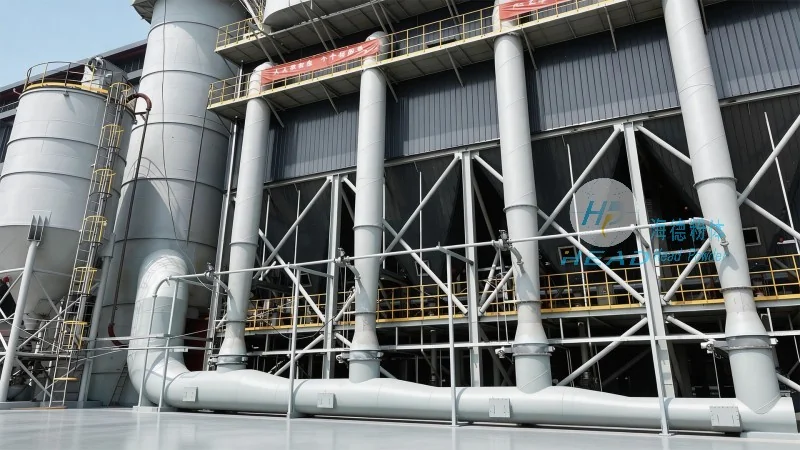
Operational considerations, such as maintenance requirements and energy efficiency, also play a role in the decision-making process. Positive pressure systems typically require more maintenance due to the higher stress on components, but they may offer better energy efficiency for high-volume applications. Negative pressure systems, while potentially less expensive to maintain, may consume more energy due to the need to continuously operate the vacuum pump. Additionally, the cost of equipment and installation should be considered, as positive pressure systems often involve higher upfront costs but may offer lower long-term operational expenses due to reduced wear and tear.
Conclusion
Choosing between positive and negative pressure pneumatic conveying for silicon carbide requires a careful evaluation of material properties, system requirements, and operational constraints. Positive pressure systems are generally more suitable for high-volume, long-distance applications and abrasive materials like silicon carbide, offering better control over material flow and reduced wear on equipment. Negative pressure systems, while effective for fine powders and shorter distances, may be less efficient for handling abrasive materials and require more attention to dust control and system sealing. Ultimately, the optimal choice depends on the specific application and the priorities of the user, such as cost, efficiency, and material integrity. By understanding the distinctions between these two systems and considering the relevant factors, manufacturers can select the most appropriate pneumatic conveying solution to ensure reliable and efficient handling of silicon carbide.