

Choosing Between Positive Pressure and Negative Pressure for Calcium Carbonate Pneumatic Conveying:
When it comes to transporting calcium carbonate powder, selecting the right pneumatic conveying system is crucial for efficiency, cost-effectiveness, and operational safety. Two primary types of systems dominate the market: positive pressure and negative pressure. Understanding the differences and appropriate applications of each is essential for making an informed decision.
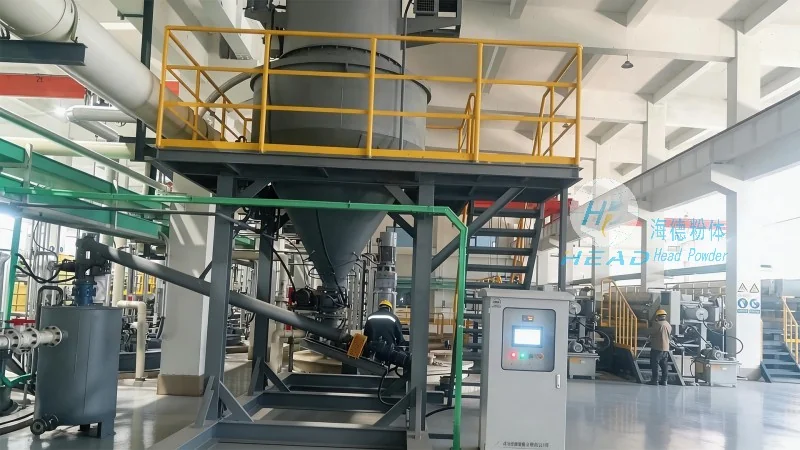
Positive Pressure Pneumatic Conveying
Positive pressure systems operate by blowing air or gas into the conveying line, creating a pressure higher than the ambient environment. This method is particularly effective for transporting calcium carbonate over long distances or through complex piping networks. The high-pressure air propels the powder, ensuring consistent flow and minimizing the risk of clogging. For applications requiring high throughput and reliability, positive pressure systems are often preferred. They are also suitable for transporting materials that are sensitive to moisture or require a controlled environment, as the system can be sealed to prevent contamination.
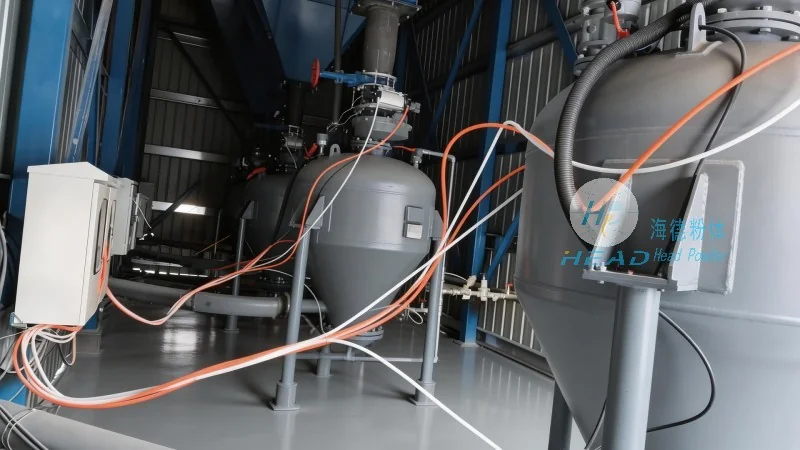
Negative Pressure Pneumatic Conveying
Negative pressure systems, on the other hand, create a vacuum in the conveying line, drawing the material from the source into the system. This approach is ideal for short-distance or low-volume applications where the material is already in a relatively clean and dry state. Negative pressure systems are generally less expensive to install and maintain compared to positive pressure systems, making them a cost-effective option for smaller-scale operations. However, they may not be as efficient for long-distance transport or for materials that are prone to dust or particle separation.
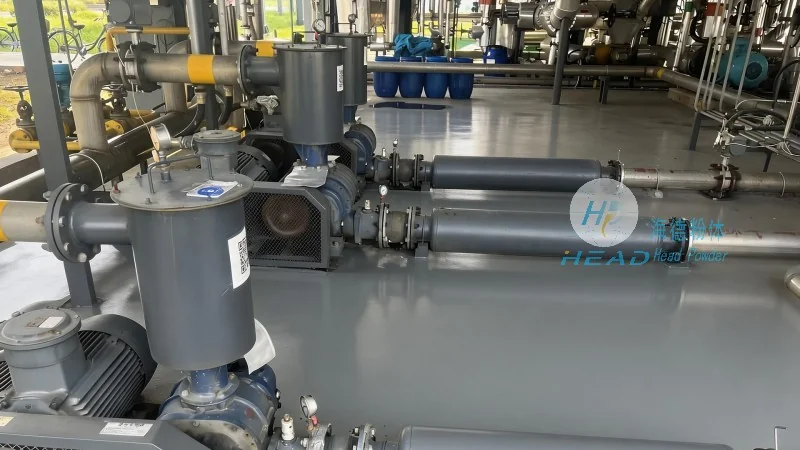
Distinguishing Between Positive and Negative Pressure Systems
Several key factors help in distinguishing between the two types of pneumatic conveying systems. First, consider the distance and complexity of the conveying path. Positive pressure systems are better suited for longer distances and more intricate piping setups, as they can maintain sufficient pressure to move the material through obstacles. Negative pressure systems are more appropriate for shorter distances and simpler layouts. Second, evaluate the material characteristics. If the calcium carbonate is fine and prone to dust generation, a positive pressure system with proper filtration might be necessary to prevent air pollution. Conversely, if the material is relatively dry and free-flowing, a negative pressure system could suffice. Third, assess the operational requirements, such as throughput capacity and environmental regulations. Positive pressure systems often offer higher throughput and better control over material handling, which may be required for large-scale production lines. Negative pressure systems, while lower in cost, may have limitations in terms of material handling efficiency and environmental compliance.
Factors to Consider When Choosing a System
When deciding between positive and negative pressure pneumatic conveying for calcium carbonate, several factors must be taken into account. The first is the specific application requirements, including the distance between the source and destination, the volume of material to be transported, and the desired throughput rate. The second is the material properties, such as particle size, moisture content, and dust generation potential. These characteristics will influence the system's design and components, such as the type of air compressor or vacuum pump needed. Third, operational costs and maintenance considerations are critical. Positive pressure systems typically require more robust and expensive equipment, such as high-pressure blowers, which may increase initial investment and maintenance costs. Negative pressure systems, while cheaper upfront, may have higher energy consumption due to the need for continuous vacuum operation. Additionally, environmental regulations and safety standards must be considered. Positive pressure systems are generally more suitable for applications where dust control and environmental compliance are stringent, as they can be equipped with advanced filtration systems. Negative pressure systems may require additional measures to prevent dust emissions, which could increase operational costs.
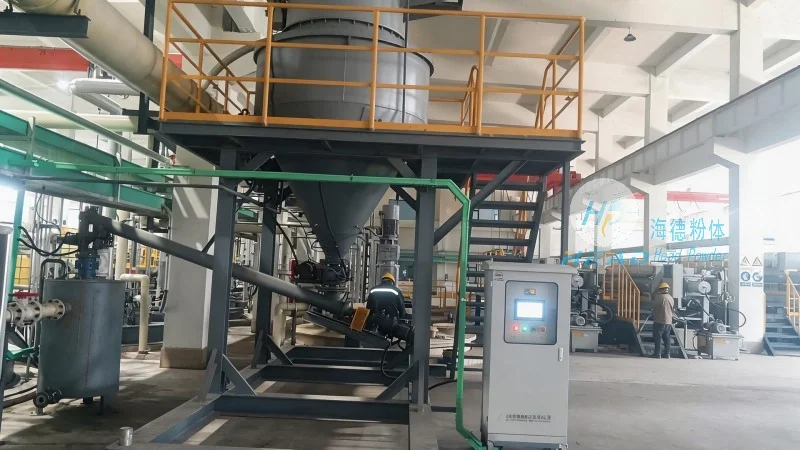
Conclusion
Choosing between positive pressure and negative pressure pneumatic conveying for calcium carbonate depends on a careful evaluation of the specific application needs, material characteristics, and operational constraints. Positive pressure systems offer higher efficiency, reliability, and control, making them ideal for large-scale, long-distance transport. Negative pressure systems, while more economical for shorter distances and lower volumes, may have limitations in terms of material handling and environmental compliance. By understanding the key differences and considering the factors outlined above, manufacturers can select the most appropriate pneumatic conveying system to meet their production requirements efficiently and cost-effectively. Shandong HeadPowder Engineering Co., Ltd., with its expertise in powder handling solutions, can provide tailored systems that optimize performance and ensure safe, reliable operation for calcium carbonate processing.